



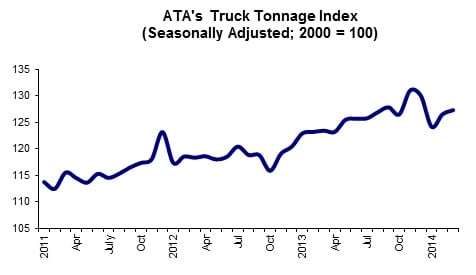
The American Trucking Associations’ advanced seasonally adjusted For-Hire Truck Tonnage Index increased 0.6% in March, after jumping 1.9% the previous month, according to just released figures.
 MENU
MENU SEARCH
The American Trucking Associations’ advanced seasonally adjusted For-Hire Truck Tonnage Index increased 0.6% in March, after jumping 1.9% the previous month, according to just released figures.
Credit: ATA
The American Trucking Associations’ advanced seasonally adjusted For-Hire Truck Tonnage Index increased 0.6% in March, after jumping 1.9% the previous month, according to just released figures.
February’s gain was less than the 2.8% originally reported by the group.
In March, the index equaled 127.3 versus 126.5 in February. The all-time high was in November 2013 at 131.
Compared with March 2013, the index increased 3.1%, which is the largest year-over-year gain of 2014. During the first quarter, tonnage plunged 2.5% from the previous quarter, which was the worst quarter-to-quarter reading since the economic recovery began in the third quarter of 2009. Compared with the first quarter 2013, tonnage rose 2.3%.
The not seasonally adjusted index, which represents the change in tonnage actually hauled by the fleets before any seasonal adjustment, equaled 129.4 in March, which was 12.1% above the previous month at 115.5.
“Tonnage continued to claw its way out of the hole that was dug in December and January,” said ATA chief economist Bob Costello. “However, with a cumulative gain of 2.5% during the last two months, we still have a way to go to offset the total loss of 5.2% in December and January.
“Despite the fact that tonnage hasn’t snapped back to the levels we saw late last year, the fundamentals for truck freight continue to look good,” he said. “While it will take time to regain what was lost due to weather and other factors, like a potential inventory correction in the first quarter, I remain optimistic for 2014, however, don’t expect a 6.3% annual gain in truck tonnage like during 2013.”
ATA calculates the tonnage index based on surveys from its membership.
Trucking serves as a barometer of the U.S. economy, representing 68.5% of tonnage carried by all modes of domestic freight transportation, including manufactured and retail goods.

ACT Research data shows volumes hitting a four-year high and supply-demand balance strengthening, but higher oil prices are undercutting tariff relief and tempering optimism.
Read More →
The patent-pending cargo solution integrates a digitally connected cargo door and an intelligent locking system with the TrailerHawk.AI technology platform.
Read More →
The impact of the Iran conflict extends beyond fuel costs, bringing more fraud and cybersecurity risks to the trucking industry.
Read More →
Speaking at the TMC Annual Meeting in Nashville, ATA President Chris Spear said trucking faces mounting pressure from rising fuel prices, geopolitical instability, and uncertainty around trade policy.
Read More →
More than 100,000 new trucking companies enter the industry each year, but regulators manage to audit only a fraction of them. That churn creates opportunities for inexperienced startups — and for “chameleon carriers” that shut down after safety violations and reappear under new identities. Read more from Deborah Lockridge in this commentary.
Read More →
HDTX is an intimate event that connects heavy-duty trucking fleet managers with industry suppliers through small-group discussions, educational sessions, and structured one-on-one meetings.
Read More →
New DAT One feature shows top-paying loads directly on an iPhone’s home screen, helping carriers react faster to spot-market opportunities.
Read More →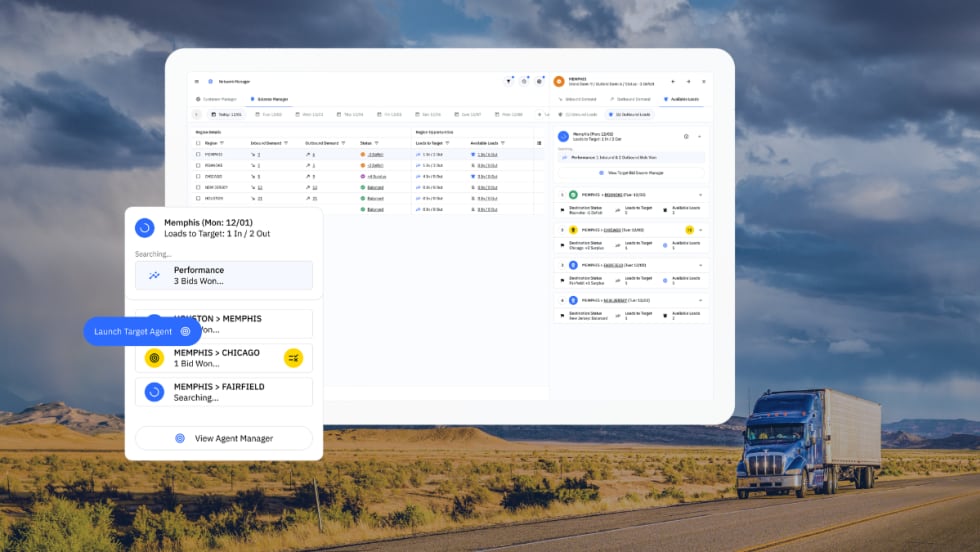
Optimal Dynamics says its new Scale platform uses AI agents and optimization to help carriers find and secure freight that improves network balance and profitability.
Read More →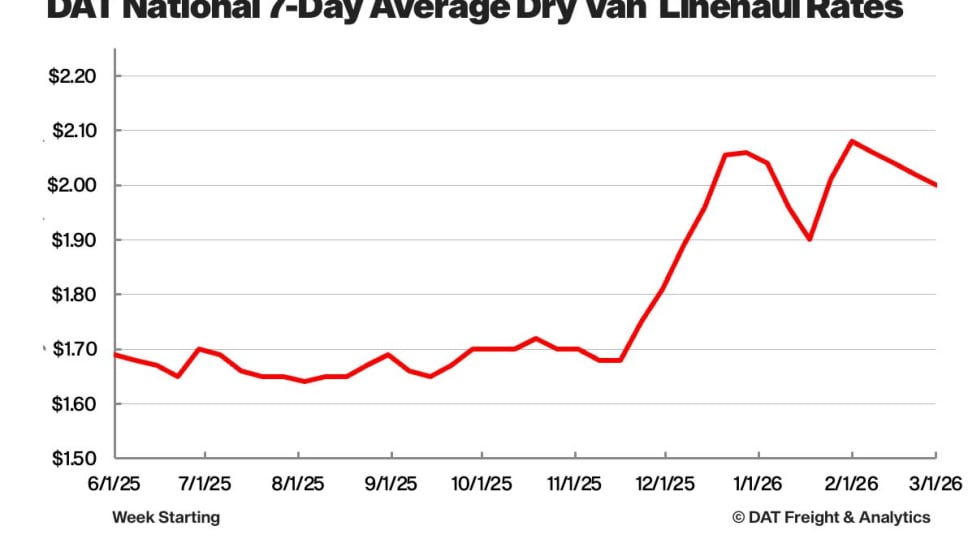
DAT Freight & Analytics data shows tightening flatbed capacity, easing produce markets, and softening van and reefer rates.
Read More →
NACFE's Run on Less - Messy Middle project demonstrates the power of data in helping to guide the future of alternative fuels and powertrains for heavy-duty trucks.
Read More →