McLeod: Use Information to Turn Change into Opportunity
We may not have flying cars, hover boards or holographic movies as Marty McFly found in the “Back to the Future” version of 2015, but we have had a computing, communications and connectivity revolution nearly unimaginable 30 years ago. Tom McLeod offered some advice for turning all this rapid change into opportunity during the McLeod Software annual user conference.
Tom McLeod talks change at the McLeod Software user conference.Photo: Deborah Lockridge
4 min to read
Tom McLeod talks change at the McLeod Software user conference. Photo: Deborah Lockridge
Thirty years ago, Tom McLeod was writing software for trucking companies on a computer with only 35 megabytes of memory. In comparison, the thumb drive handed to the media Monday at McLeod Software’s annual user conference held 4 gigabytes — more than 100 times as much.
Ad Loading...
We may not have flying cars, hover boards or holographic movies as Marty McFly found in the “Back to the Future” version of 2015, but we have had a computing, communications and connectivity revolution nearly unimaginable 30 years ago.
Ad Loading...
Thirty years ago, the prime interest rate was over 10%, gas cost about $1.05, and a new car ran around $9,000.
The record-setting crowd of attendees to the user conference, held this year in McLeod’s headquarters city of Birmingham, Ala., walked out of the opening session Monday to the strains of the theme song of the movie “Back to the Future.”
During that opening session, Tom McLeod, president and CEO of the company he founded, talked about the rapid pace of change in the trucking industry. A lot of change is happening place in mobility and connectivity. “Being connected and being mobile is part of the new ground rules.”
“Being connected and being mobile is part of the new ground rules.”
That connectivity and mobility has changed how people buy things, which in turn has changed the supply chain. Same-day delivery, “free” delivery, and the “omnichannel” mean shippers are looking for ways to deal with change in how goods get to the customer. (What is the “omnichannel”? It’s the use of a variety of channels in a customer's shopping experience, including brick-and-mortar retail stores, online stores, mobile apps, telephone sales, etc., to research, browse, buy, return and get service.)
Regulations are driving rapid change, as well, from electronic logging devices to new medical requirements for drivers to ever-stricter emissions rules. And, of course, there’s the driver shortage.
Ad Loading...
“This is not a short-term problem now,” McLeod said. “Many people who have been in the trucking industry for 30 years have seen driver shortages come and go. This one’s not going away.”
Videos shown from customers emphasized the use of technology that creates higher levels of productivity and makes the most of the capacity you have.
"Today you're in the information handling business as much as you’re in the freight handling business."
So how do you turn all this change into opportunity? There are three steps to doing that, he noted:
Prepare for change. That means staying caught up with the projects and initiatives to be as efficient as you can with the knowledge you have today. “If you have several projects stacked up and change comes along, you’ll have a difficult time getting changes implements.”
Anticipate the change. Be aware of what’s coming down the pike, by talking to suppliers, going to industry events, etc.
Act. Don’t let chances to profit from change pass you buy.
“Technology is driving change everywhere,” McLeod said. "Today you're in the information handling business as much as you’re in the freight handling business."
Ad Loading...
There are four disciplines that need to be developed in your company in order to better handle that information and take advantage of changes in the way information is being handled, he said, so you can compete more effectively in the marketplace.
What freight do you go after? You’ve got to understand your lanes, understand what you do well, understand your equipment and your driver training program. “There’s so many things in your organization that have to align for you to do well in handling certain types of freight,” he said. Lanes are changing all the time; you have to stay on top of that information.
What rate do you need to charge? “You can’t charge the same rate once electronic logging goes into effect as you could before; there’s extra cost. If you’re paying your drivers more, your rates have to change. If there are other costs in your system, you have to stay on top of the rates that have to be charged.”
You’ve got to know which truck to put it on. “You’ve got to put it with a good driver who’s qualified to handle the freight, who has the hours of service to deliver it, who’s closest and can run most efficiently so you’re getting adequate asset utilization.”
How do you handle information while the freight’s in transit and afterwards? Customers want to know.
ACT Research data shows volumes hitting a four-year high and supply-demand balance strengthening, but higher oil prices are undercutting tariff relief and tempering optimism.
The patent-pending cargo solution integrates a digitally connected cargo door and an intelligent locking system with the TrailerHawk.AI technology platform.
Speaking at the TMC Annual Meeting in Nashville, ATA President Chris Spear said trucking faces mounting pressure from rising fuel prices, geopolitical instability, and uncertainty around trade policy.
More than 100,000 new trucking companies enter the industry each year, but regulators manage to audit only a fraction of them. That churn creates opportunities for inexperienced startups — and for “chameleon carriers” that shut down after safety violations and reappear under new identities. Read more from Deborah Lockridge in this commentary.
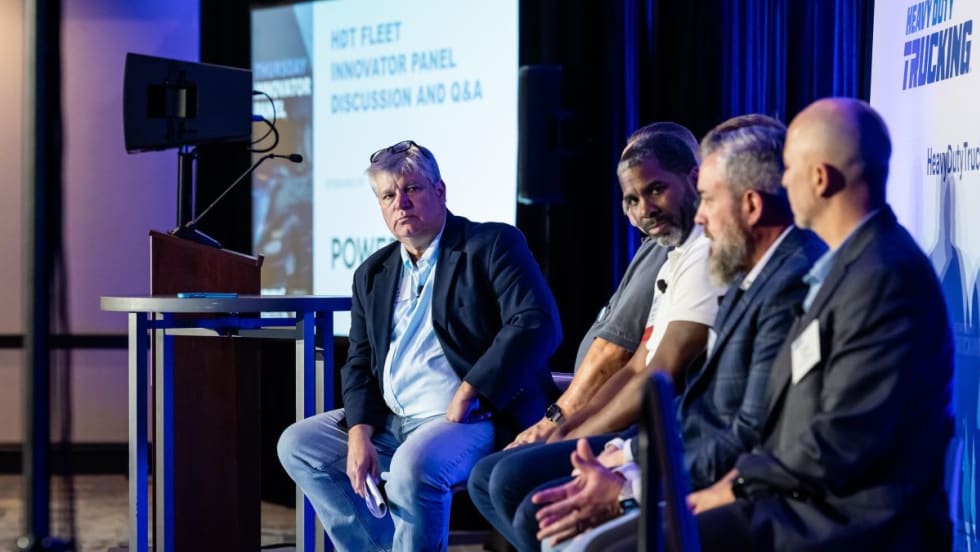
HDTX is an intimate event that connects heavy-duty trucking fleet managers with industry suppliers through small-group discussions, educational sessions, and structured one-on-one meetings.
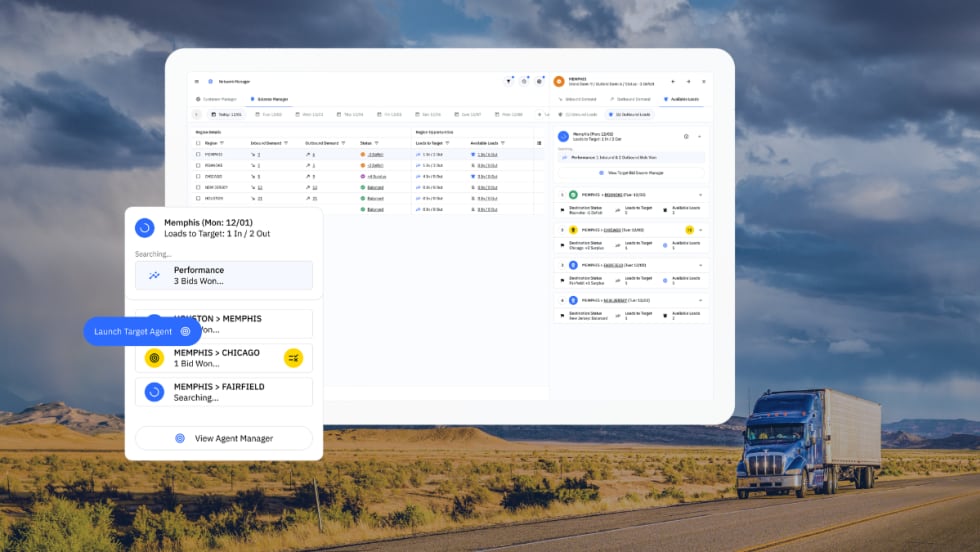
Optimal Dynamics says its new Scale platform uses AI agents and optimization to help carriers find and secure freight that improves network balance and profitability.
NACFE's Run on Less - Messy Middle project demonstrates the power of data in helping to guide the future of alternative fuels and powertrains for heavy-duty trucks.