



NATSO, a national association representing truckstops and travel plazas, has come out against the Governor of Arizona's push to commercialize rest areas along interstate highways.
 MENU
MENU SEARCH
NATSO, a national association representing truckstops and travel plazas, has come out against the Governor of Arizona's push to commercialize rest areas along interstate highways.

Photo: Office of Arizona Gov. Doug Ducey
NATSO, a national association representing truckstops and travel plazas, has come out against the Governor of Arizona's push to commercialize rest areas along interstate highways.
In a letter to Department of Transportation Secretary Elaine Chao, Arizona Gov. Doug Ducey (R) asked that Arizona be exempted from a federal law that prohibits commercial activity at the state’s rest areas. Gov. Ducey is requesting that Arizona be granted federal permission to launch a pilot program to commercialize rest areas in order to pay for their upkeep.
The federal law had the effect of privatizing highway services in 1960 when Congress prohibited states from offering commercial services at rest areas along the Interstate Highway System. NATSO stated that commercializing truckstops could displace restaurants, travel plazas, truckstops, convenience store,s and other businesses that already exist throughout the state.
"Rest area commercialization threatens thousands of businesses serving travelers at the interstate exits,” said Lisa Mullings, NATSO president and CEO. “This ill-advised proposal risks the livelihood of hundreds of Arizona business owners and their employees, and would hurt local communities who depend on the property taxes these businesses pay to fund schools and police.”
NATSO stated that the governor’s actions is not privatizing commerce at rest areas, but rather would act as a way to transfer sales away from the private sector by creating a government-sanctioned monopoly.
"We don't need a pilot program to see the effects of commercial rest areas on local communities and businesses because there are at least a dozen states that oversee commercialized rest areas," said Mullings. "We can witness the anti-competitive effect that commercialized rest areas has on Interstate businesses.”

ACT Research data shows volumes hitting a four-year high and supply-demand balance strengthening, but higher oil prices are undercutting tariff relief and tempering optimism.
Read More →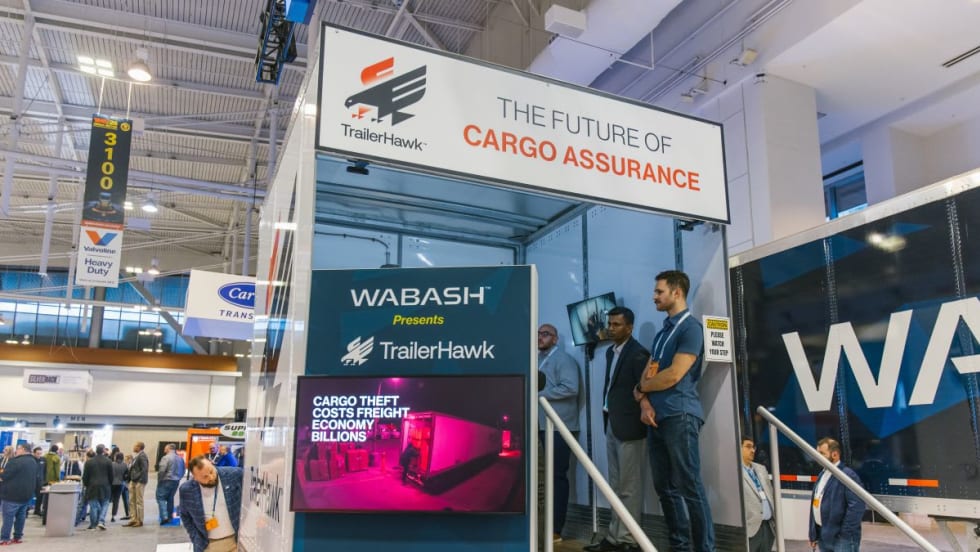
The patent-pending cargo solution integrates a digitally connected cargo door and an intelligent locking system with the TrailerHawk.AI technology platform.
Read More →
The impact of the Iran conflict extends beyond fuel costs, bringing more fraud and cybersecurity risks to the trucking industry.
Read More →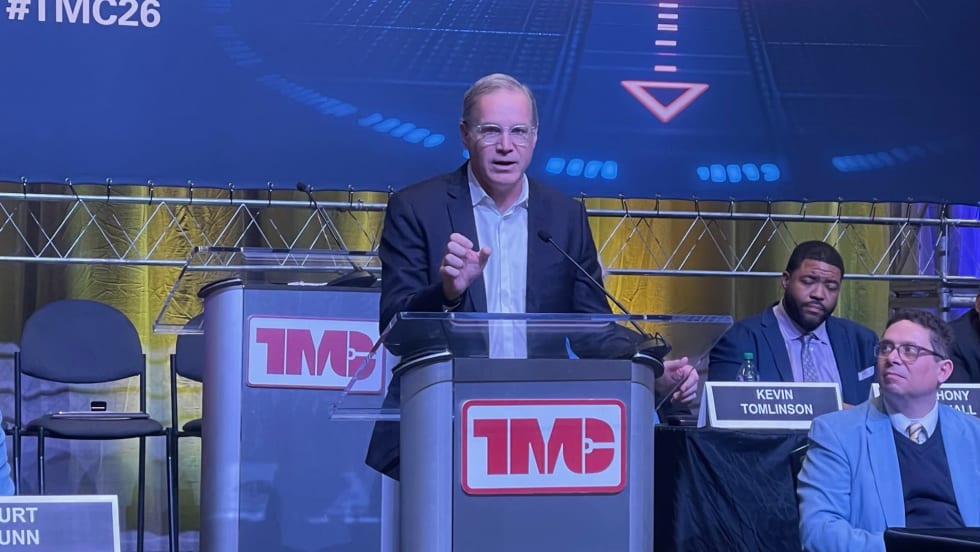
Speaking at the TMC Annual Meeting in Nashville, ATA President Chris Spear said trucking faces mounting pressure from rising fuel prices, geopolitical instability, and uncertainty around trade policy.
Read More →
More than 100,000 new trucking companies enter the industry each year, but regulators manage to audit only a fraction of them. That churn creates opportunities for inexperienced startups — and for “chameleon carriers” that shut down after safety violations and reappear under new identities. Read more from Deborah Lockridge in this commentary.
Read More →
HDTX is an intimate event that connects heavy-duty trucking fleet managers with industry suppliers through small-group discussions, educational sessions, and structured one-on-one meetings.
Read More →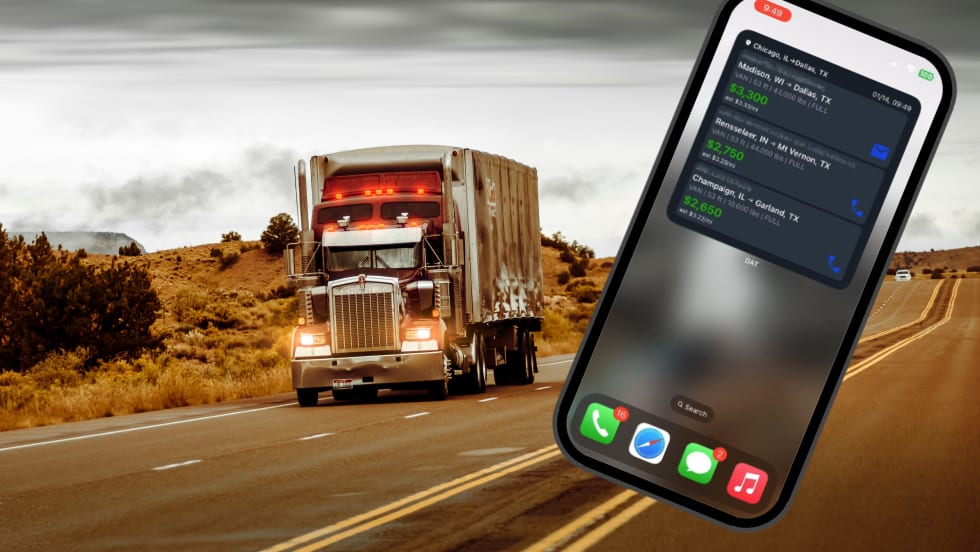
New DAT One feature shows top-paying loads directly on an iPhone’s home screen, helping carriers react faster to spot-market opportunities.
Read More →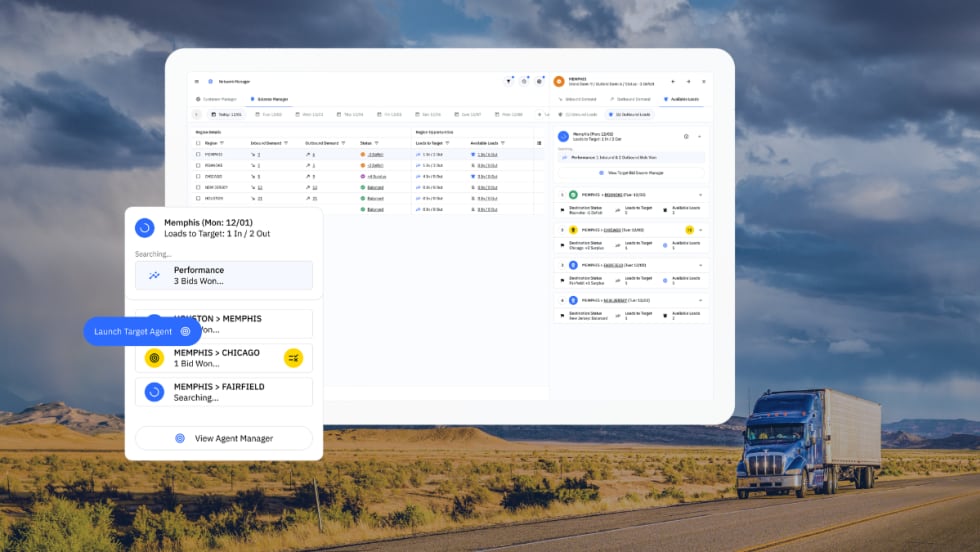
Optimal Dynamics says its new Scale platform uses AI agents and optimization to help carriers find and secure freight that improves network balance and profitability.
Read More →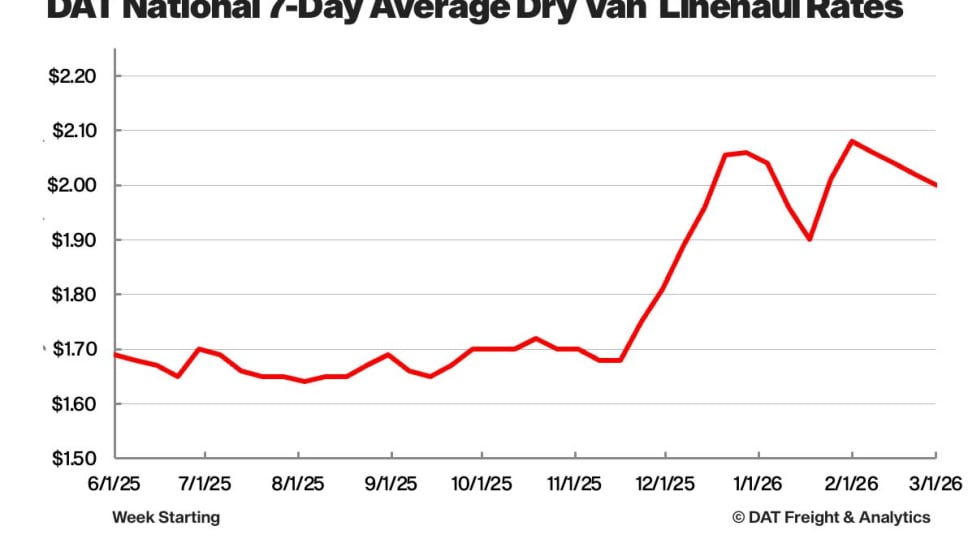
DAT Freight & Analytics data shows tightening flatbed capacity, easing produce markets, and softening van and reefer rates.
Read More →
NACFE's Run on Less - Messy Middle project demonstrates the power of data in helping to guide the future of alternative fuels and powertrains for heavy-duty trucks.
Read More →