




A recently released natural gas analysis from TIAX LLC predicts the opportunity for the compressed-natural-gas fueling market will grow steadily over the next few years.
Natural Gas Future Has Potential, Report Says
A recently released natural gas analysis from TIAX LLC predicts the opportunity for the compressed-natural-gas fueling market will grow steadily over the next few years
by Staff
May 24, 2012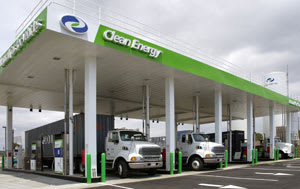
Today, approximately 1,000 CNG stations in the U.S. compete with approximately 120,000 retail gasoline locations. That is a Ratio of one CNG station for every 120 retail gasoline stations.
3 min to read
This assessment was sponsored by America's Natural Gas Alliance with the support of participating American Gas Association companies. Its main objective was to identify the best ways to increase the use of natural gas vehicles in the U.S. and Canada. The TIAX team says it conducted a thorough and independent assessment of the NGV market.
The report highlighted the following as the greatest market opportunities for natural gas infrastructure expansion in the future: (CNG is compressed natural gas, LNG is liquified natural gas):
- CNG market potential for large commercial (not government) fleets
- LNG and CNG market potential for freight haulers and particularly ports
- Taking advantage of/marketing the emissions benefits of CNG. CNG equipment providers believe that with growing concern for environment and carbon footprint, natural gas has an opportunity to excel
- Promoting the domestic advantage of CNG versus imported oil
- Competitiveness of natural gas price against rising gasoline/diesel prices
- Working with LDCs and gas producers to build critical mass with fueling infrastructure investment
Today, approximately 1,000 CNG stations in the U.S. compete with approximately 120,000 retail gasoline locations. That is a ratio of one CNG station for every 120 retail gasoline stations.
Liquefied natural gas
The analysis also covered liquefied natural gas, saying that it has the economic potential to be successful in select vehicle market segments.
Regional and line-haul trucking applications, through the investment in public fueling stations, are the largest and possibly most prosperous market segment for LNG, according to the report.
Almost all LNG vehicle applications to date have been return-to-base trucks and transit buses, primarily because their fueling infrastructure is much simpler to implement than that for line-haul trucks.
Return-to-base fleets have the benefit of constructing onsite stations that meet
their specific needs, but these stations do not help in developing a nationwide distribution infrastructure. Over the road line-haul trucks, which are the largest fuel volume market segment, require public access LNG stations along major routes (e.g., at existing truck stops).
Future success of LNG heavy-duty line-haul market penetration hinges on ensuring that fueling stations are located along future trucking routes. This was the original intent of the Interstate Clean Transportation Corridor, conceptualized in the late 1990s but not actually implemented. Such strategic investments along heavily used corridors may be the beginning of a complete nationwide LNG fueling network. Based on a 10,000 gallon per day station capacity, a 100,000 gallon per day liquefaction plant can serve 10 stations.
Incentives that last at least five to 10 years without need for renewal could establish the market conditions that allow for sustained growth, the analysis says. LNG vehicles and liquefaction and retail facilities require substantial capital investments, and until sufficient fuel throughput and adequate fueling station availability are in place, a level playing field among vehicle incentives is necessary to give security to infrastructure and vehicle investments.
To read Tiax's natural gas analysis in its entirety, click here.
More Drivers

FMCSA Extends Paper Medical Card Exemption … Again
Five states still aren't ready to accept commercial driver medical exam information directly from the medical examiner's registry.
Read More →
Mack Launches Digital Driver Guide for Chassis-Specific Truck Info
Mack’s new, virtual owner’s manual delivers VIN-based, on-demand guidance for vehicle systems via web, app, and soon in-cab displays.
Read More →
Western Star Showcases Truckers' Pride and Skill
Western Star is expanding its Star Nation Experience in 2026, adding new competitions and dealer participation to highlight operator skills and promote careers in trucking.
Read More →
Best Fleets to Drive For: Two Carriers Earn Overall Award for First Time
CarriersEdge announced the 2026 Best Fleets to Drive For overall winners, with Crawford Trucking, Fortigo Freight Services, and FTC Transportation receiving top awards.
Read More →
Federal Proposal Would Allow Pell Grants for Shorter-Term Job Training
The Department of Labor plans to expand Pell Grant eligibility to some shorter workforce training programs, a move the American Trucking Associations said will help strengthen commercial driver training schools and diesel technician training programs.
Read More →
Owner-Operator Model Gets Boost as DOL Proposes 2024 Independent Contractor Definition Reversal
For an industry that has watched this issue go back and forth for years, the independent contractor proposal marks the latest swing in the regulatory pendulum.
Read More →
FMCSA Reinstates Field Warrior ELD to Registered Device List
One electronic logging device has been reinstated to the FMCSA's list of registered ELDs.
Read More →
How One Company is Using Smart Suspension Technology to Reduce Driver Injuries and Improve Retention
America’s Service Line adopted Link’s SmartValve and ROI Cabmate systems to address whole-body vibration, repetitive strain, and driver turnover. The trucking fleet is already seeing measurable results.
Read More →
CarriersEdge Announces 2026 Best Fleets to Drive For
The 18th annual contest recognizing the best workplaces for truck drivers sees changes to Top 20, Hall of Fame
Read More →
FMCSA Targets 550+ ‘Sham’ CDL Schools in Nationwide Sting Operation
The Federal Motor Carrier Safety Administration issued more than 550 notices of proposed removal to commercial driver training providers following a five-day nationwide enforcement sweep. Investigators cited unqualified instructors, improper training vehicles, and failure to meet federal and state requirements.
Read More →