



Retail sales of Class 8 natural gas trucks in the U.S. and Canada improved in May, after getting off to a slow start earlier in the year, according to a report published by ACT Research.
 MENU
MENU SEARCH
Retail sales of Class 8 natural gas trucks in the U.S. and Canada improved in May, after getting off to a slow start earlier in the year.
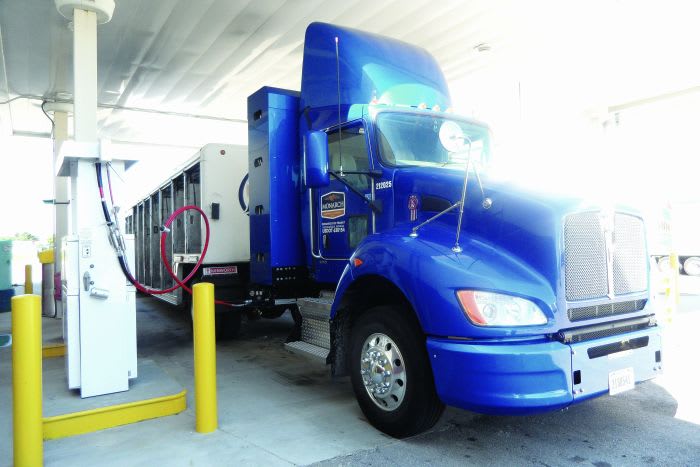
File photo
Retail sales of Class 8 natural gas trucks in the U.S. and Canada improved in May, after getting off to a slow start earlier in the year, according to a report published by ACT Research.
The majority of natural-gas vehicle sales were attributed to repeat sales as well as purchases made by transit bus and refuse truck operators, according to ACT.
The lower price of diesel fuel has stunted the return on investment fleets might have for gained by adopting the alternative fuel, making the turn toward natural gas a less lucrative prospect for fleets.
Sales were up 48% over the previous month. But they are down 21% over the past 12 months and 24% year-to-date compared to 2015.
“With the fuel price differential continuing to narrow, the ROI to convert from diesel to natural gas is moving in the wrong direction: payback periods remain lengthy,” said Ken Vieth, ACT’s senior partner and general manager. “This doesn’t mean the adoption of NG fuel has stopped or that there are no new developments supporting a future uptick in NG truck orders.”
Infrastructure is another barrier to entry for natural-gas vehicle adoption and while infrastructure continues to be built, it tends to be at a slower pace and at targeted locations. However, natural-gas equipment users have stayed committed to the long-term viability and emissions benefits, according to Vieth.
ACT Research published the information in its Natural Gas Quarterly report, which provides information on the current and projected status of factors that affect the decision to adopt natural gas vehicles. ACT also offers a quick reference calculator for fleets considering moving from diesel to natural gas.

ACT Research data shows volumes hitting a four-year high and supply-demand balance strengthening, but higher oil prices are undercutting tariff relief and tempering optimism.
Read More →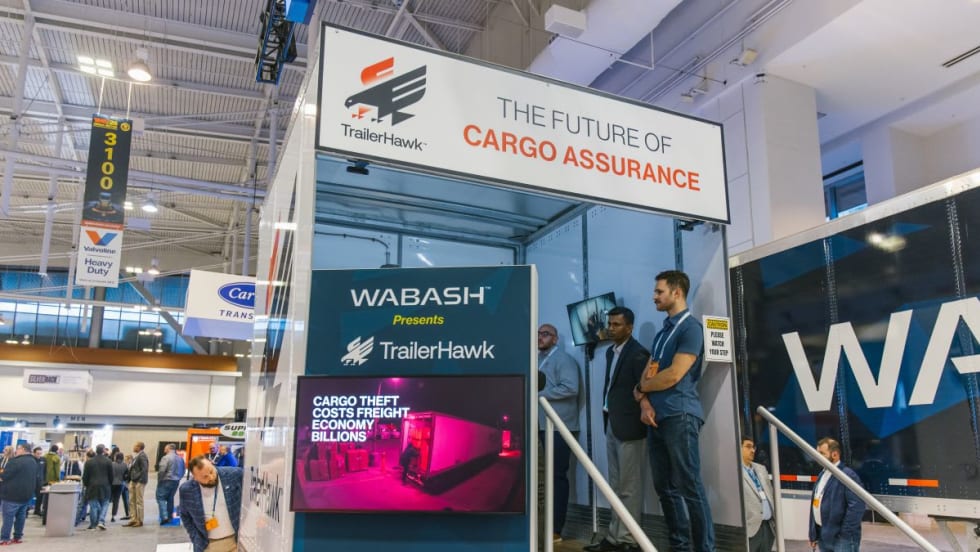
The patent-pending cargo solution integrates a digitally connected cargo door and an intelligent locking system with the TrailerHawk.AI technology platform.
Read More →
The impact of the Iran conflict extends beyond fuel costs, bringing more fraud and cybersecurity risks to the trucking industry.
Read More →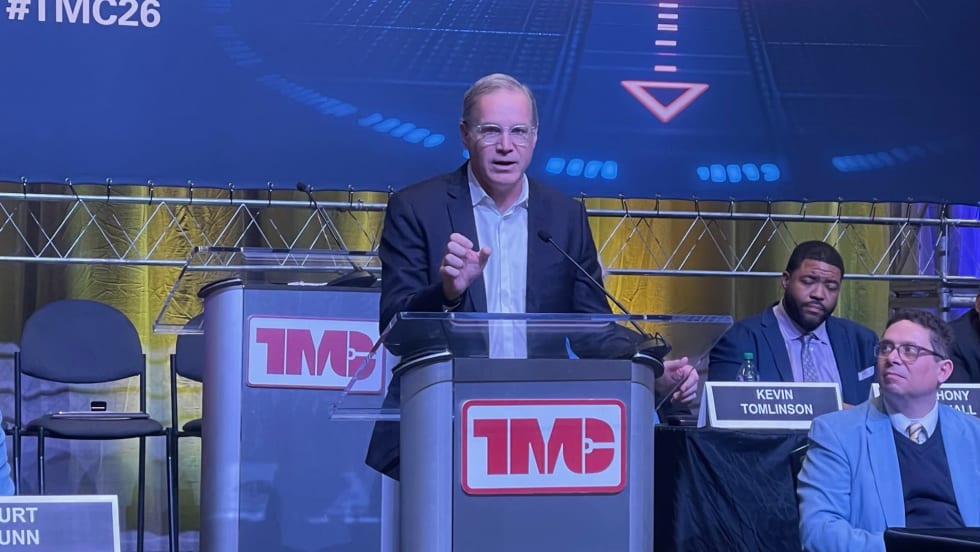
Speaking at the TMC Annual Meeting in Nashville, ATA President Chris Spear said trucking faces mounting pressure from rising fuel prices, geopolitical instability, and uncertainty around trade policy.
Read More →
More than 100,000 new trucking companies enter the industry each year, but regulators manage to audit only a fraction of them. That churn creates opportunities for inexperienced startups — and for “chameleon carriers” that shut down after safety violations and reappear under new identities. Read more from Deborah Lockridge in this commentary.
Read More →
HDTX is an intimate event that connects heavy-duty trucking fleet managers with industry suppliers through small-group discussions, educational sessions, and structured one-on-one meetings.
Read More →
New DAT One feature shows top-paying loads directly on an iPhone’s home screen, helping carriers react faster to spot-market opportunities.
Read More →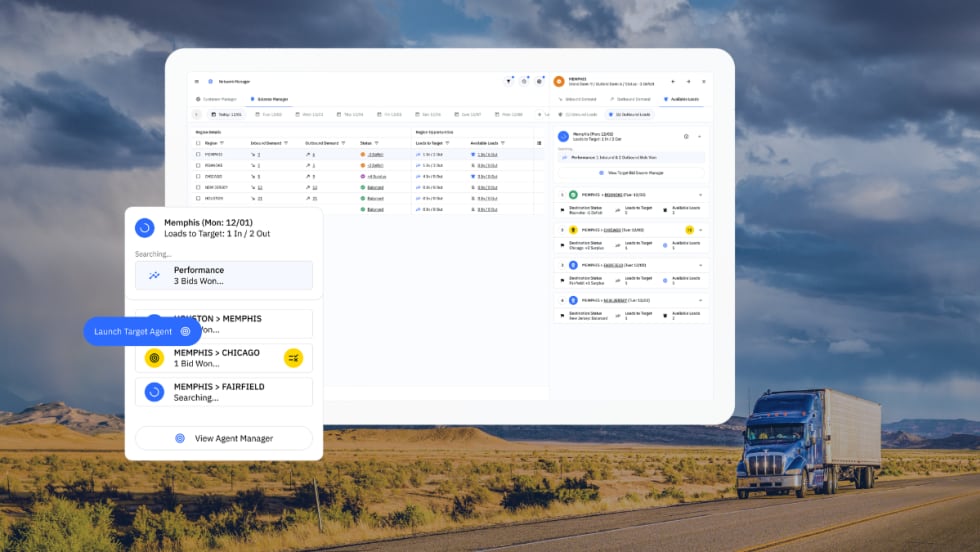
Optimal Dynamics says its new Scale platform uses AI agents and optimization to help carriers find and secure freight that improves network balance and profitability.
Read More →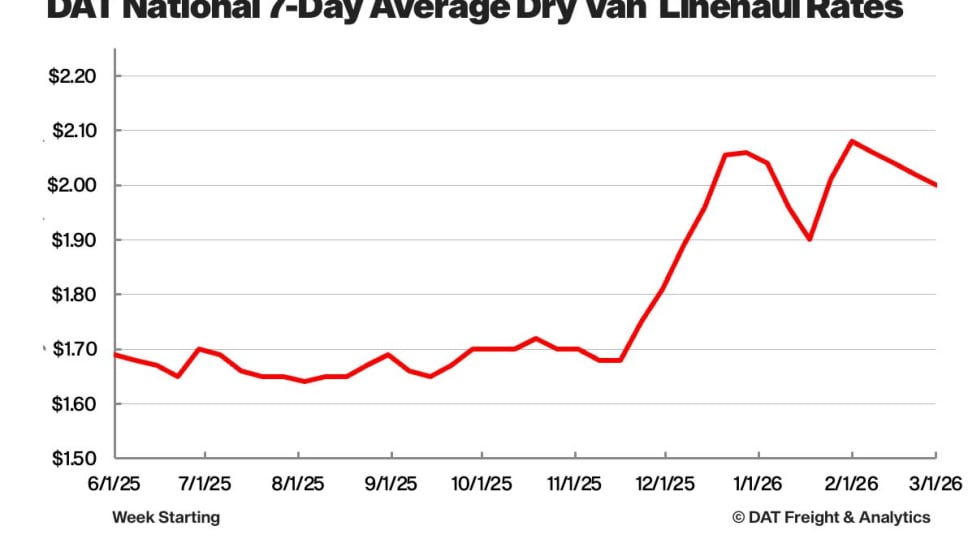
DAT Freight & Analytics data shows tightening flatbed capacity, easing produce markets, and softening van and reefer rates.
Read More →
NACFE's Run on Less - Messy Middle project demonstrates the power of data in helping to guide the future of alternative fuels and powertrains for heavy-duty trucks.
Read More →