New York Governor Andrew Cuomo has unveiled a plan to reduce traffic congestion in the New York City are by automating tolling of eight bridges and two tunnels.
by Staff
October 7, 2016
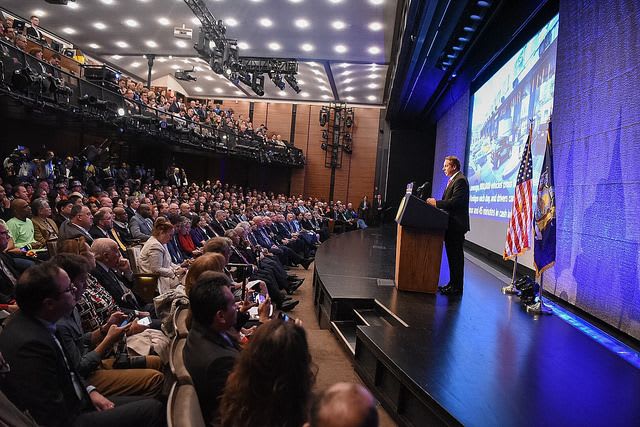
Governor Cuomo announced a transformational plan to reimagine New York City-area crossings for the 21st century.Photo via office of Gov. Andrew Cuomo
3 min to read
Governor Cuomo announced a transformational plan to reimagine New York City-area crossings for the 21st century. Photo via office of Gov. Andrew Cuomo
New York Governor Andrew Cuomo (D) has unveiled a plan to reduce traffic congestion by automating tolling of all bridges and tunnels operated by the state's Metropolitan Transportation Authority, which is repsonsible for unified mass transportation in the New YorK City metro area,
Ad Loading...
The New York Crossings Project will encompass all seven bridges and the two tunnels operated by MTA: Brooklyn-Battery Tunnel, Queens-Midtown Tunnel, Henry Hudson Bridge, Whitestone Bridge, Throgs Neck Bridge, RFK Triborough Bridge, Verrazano-Narrows Bridge, Marine Parkway-Gil Hodges Memorial Bridge, and Cross Bay Veterans Memorial Bridge. The coordinated tolling plan will also take in the George Washington Bridge, which is operated separatley by the Port Authority of New York and New Jersey.
Ad Loading...
The State of New York said it will implement automatic tolling to improve the flow of traffic by using sensors and cameras to automate the tolling process and thereby not require vehicles to come to a stop to pay. The sensors and cameras will be suspended overhead on structures known as gantries.
“This transformational project will revolutionize transportation in New York and ensure that our state is built to lead for generations to come,” said Cuomo. “By investing in New York's transportation network today and equipping it to meet the challenges of tomorrow, we are cementing our state's position as a national leader in 21st century infrastructure and cutting-edge innovation."
A vehicle with an electronic E-ZPass will be charged immediately while a non E-ZPass vehicle will have its license plate recorded and a toll bill will be mailed to the registered owner.
Asked by HDT to comment on the plan, Kendra Hems, President of the Trucking Association of New York, said that TANY supports “removing the toll booths and installing automated tolling to help reduce congestion and potentially reduce accidents.”
However, Hems said TANY has “some questions about the $500-million cost to the plan and we are currently working on getting more information related to that. Additionally, given the sheer volume of traffic that cross the bridges and tunnels every day, we have some concerns about the ability of the MTA to collect tolls from those vehicles that do not currently have E-ZPass.”
Ad Loading...
New York drivers currently spend more than 6,400 hours per day waiting to pay tolls and the state estimates that automatic tolling will save commuters up to 21 hours of drive time every year.
By eliminating the need to come to a stop, the state estimates that fuel consumption and emissions will also decrease. Putting the measure in place could conserve around 1 million gallons of fuel and save $2.3 million each year.
Automatic tolling will begin on both MTA tunnels in January and is slated to be completed on all MTA-operated bridges by the end of next year.
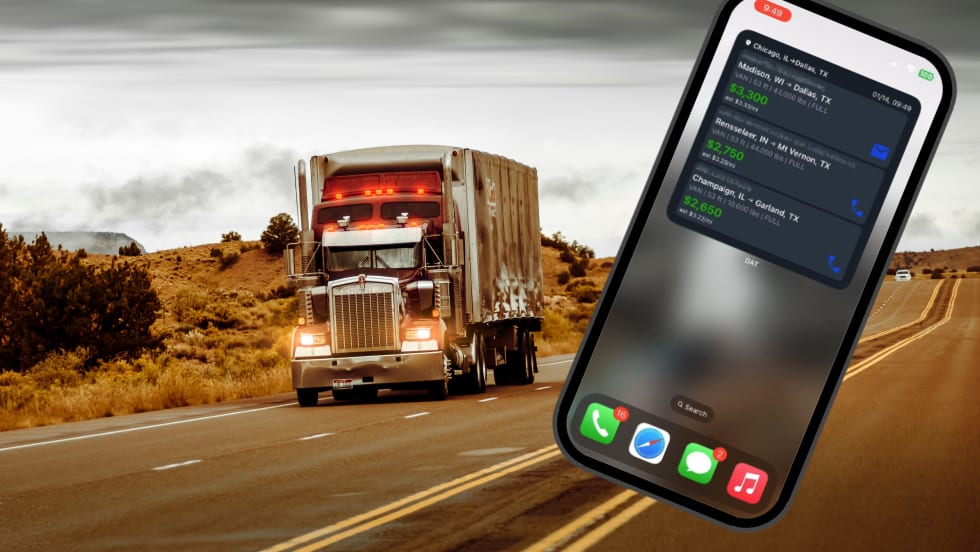
ACT Research data shows volumes hitting a four-year high and supply-demand balance strengthening, but higher oil prices are undercutting tariff relief and tempering optimism.
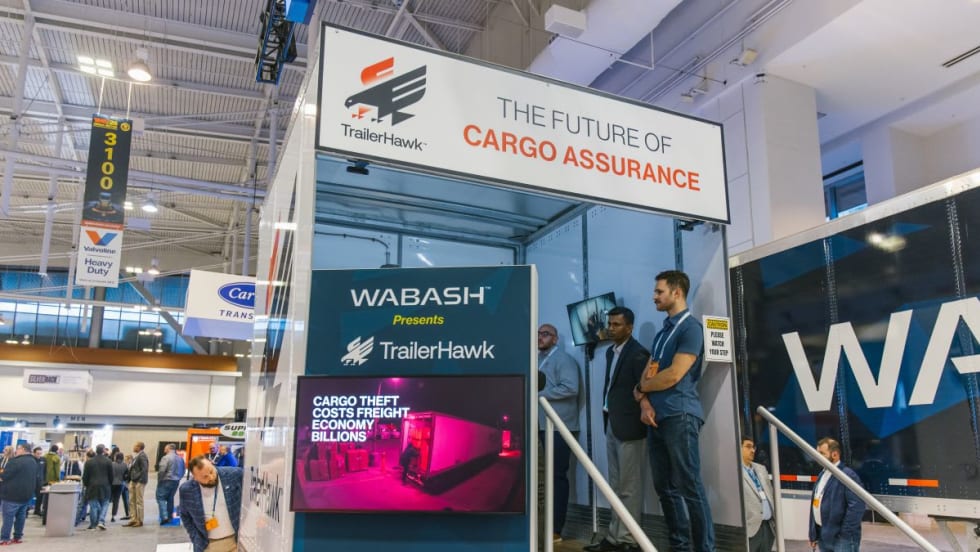
The patent-pending cargo solution integrates a digitally connected cargo door and an intelligent locking system with the TrailerHawk.AI technology platform.
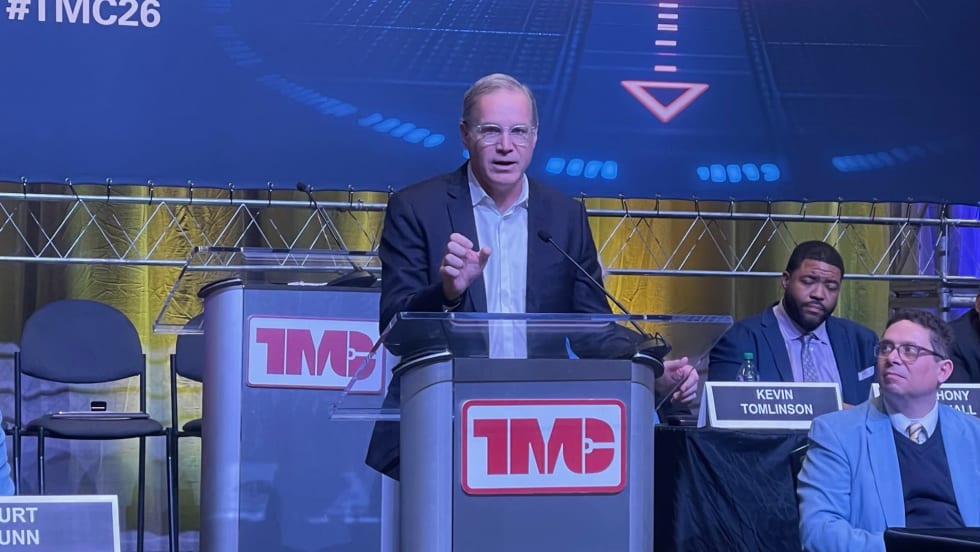
Speaking at the TMC Annual Meeting in Nashville, ATA President Chris Spear said trucking faces mounting pressure from rising fuel prices, geopolitical instability, and uncertainty around trade policy.
More than 100,000 new trucking companies enter the industry each year, but regulators manage to audit only a fraction of them. That churn creates opportunities for inexperienced startups — and for “chameleon carriers” that shut down after safety violations and reappear under new identities. Read more from Deborah Lockridge in this commentary.
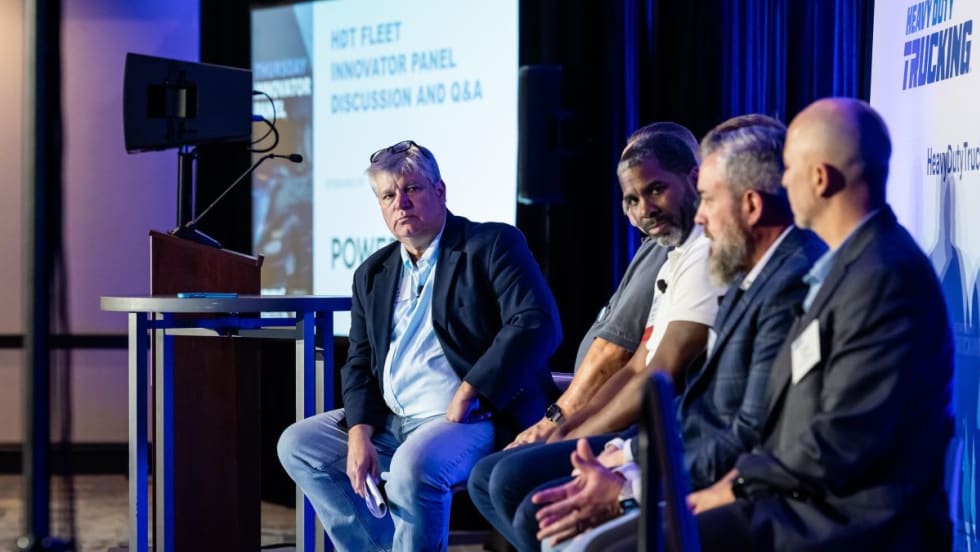
HDTX is an intimate event that connects heavy-duty trucking fleet managers with industry suppliers through small-group discussions, educational sessions, and structured one-on-one meetings.
Optimal Dynamics says its new Scale platform uses AI agents and optimization to help carriers find and secure freight that improves network balance and profitability.
NACFE's Run on Less - Messy Middle project demonstrates the power of data in helping to guide the future of alternative fuels and powertrains for heavy-duty trucks.