



The Port of Oakland has announced that it is testing sensors to measure how long trucks servicing the port are waiting to enter marine terminals.
 MENU
MENU SEARCH
The Port of Oakland has announced that it is testing sensors to measure how long trucks servicing the port are waiting to enter marine terminals.
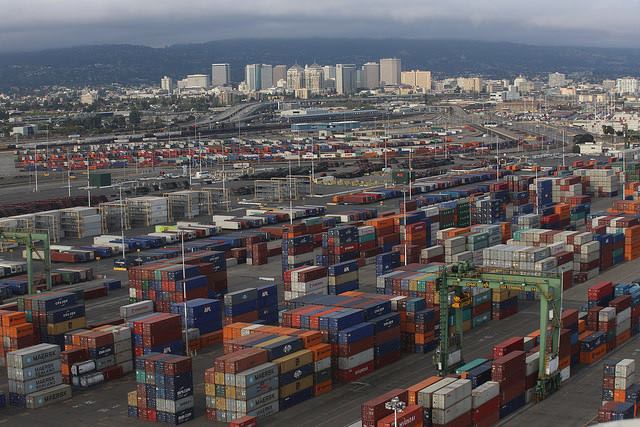
Photo via Port of Oakland
The Port of Oakland has announced that it is testing sensors to measure how long trucks servicing the port are waiting to enter marine terminals.
The Northern California port is installing Bluetooth sensors along thoroughfares in the Outer Harbor area of the Port of Oakland. The sensors will automatically detect anonymous signals emitted from phones or other mobile devices in truck cabs. They will measure the time between the first and last of each signal to calculate wait times.
With wait time information, drivers could avoid peak periods and shippers could collect cargo at less crowded times. The information is then sent to truckers and cargo owners through mobile devices and computers.
“Our customers want to get in and out of the Port with their cargo quickly,” said John Driscoll maritime director at the port. “We think this technology can provide an important component of wait-time metrics to our Port stakeholders.”
The technology is the same type currently used on major freeways to calculate rush-hour commute times. The system will also include cybersecurity measures like network security, access control and audit and accountability to protect critical infrastructure.
The pilot program will last for several months and is one way the port is looking to accelerate cargo movement. The technology will be deployed throughout the port if the test is successful. In the future, the sensors may also be used for turn-time measurement within its terminals.
“This is proven technology for determining travel times and a cost-effective approach for determining port drayage truck wait times,” said Taso Zografos of Leidos Inc., the firm conducting the test. “If the test is successful, then it would be applicable to implement portwide.”
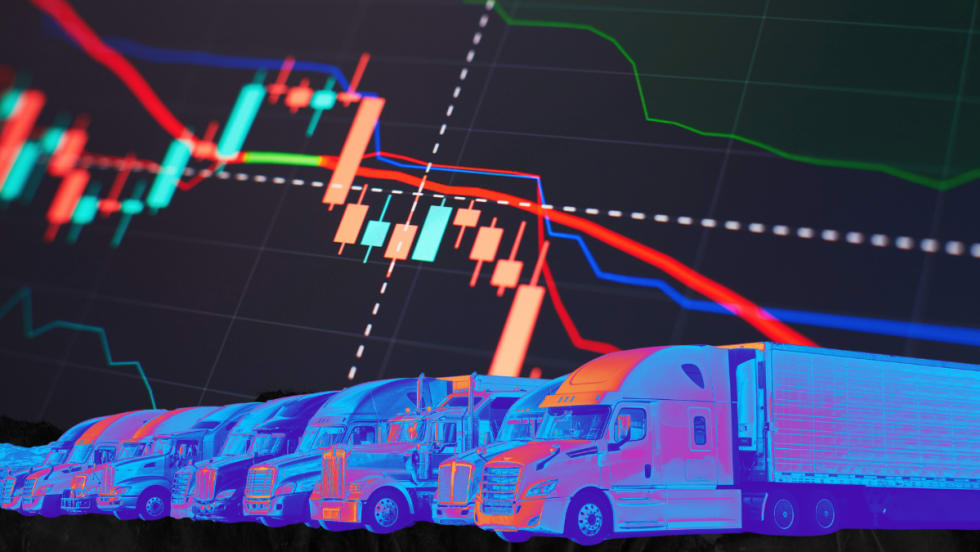
ACT Research data shows volumes hitting a four-year high and supply-demand balance strengthening, but higher oil prices are undercutting tariff relief and tempering optimism.
Read More →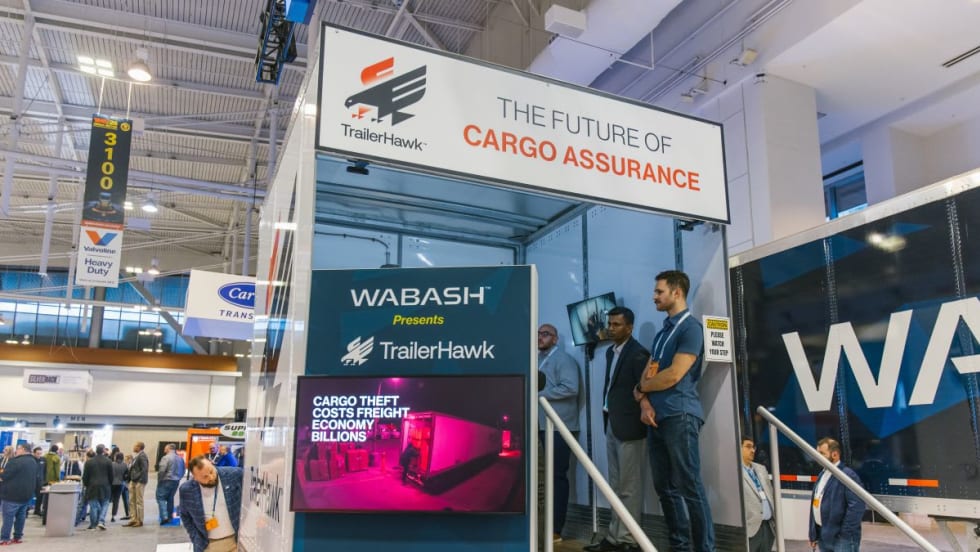
The patent-pending cargo solution integrates a digitally connected cargo door and an intelligent locking system with the TrailerHawk.AI technology platform.
Read More →
The impact of the Iran conflict extends beyond fuel costs, bringing more fraud and cybersecurity risks to the trucking industry.
Read More →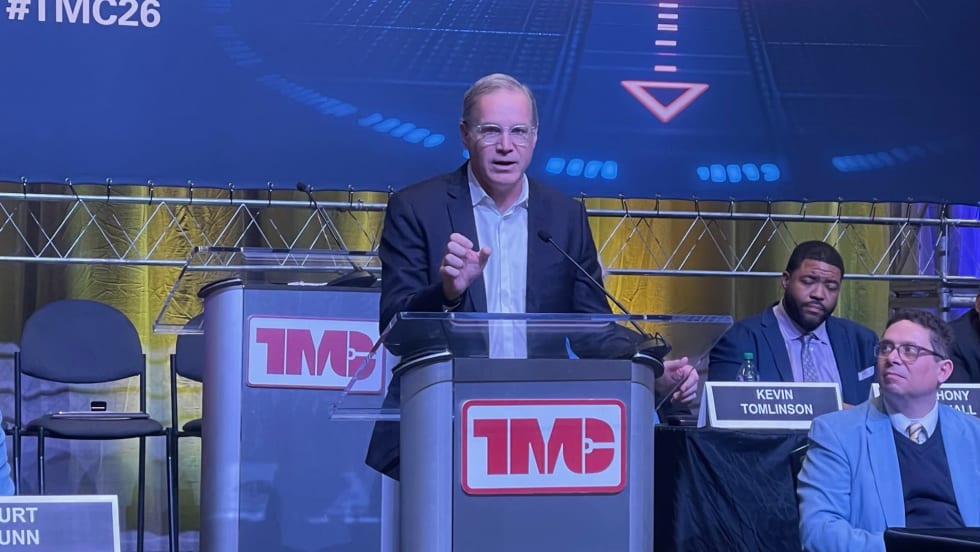
Speaking at the TMC Annual Meeting in Nashville, ATA President Chris Spear said trucking faces mounting pressure from rising fuel prices, geopolitical instability, and uncertainty around trade policy.
Read More →
More than 100,000 new trucking companies enter the industry each year, but regulators manage to audit only a fraction of them. That churn creates opportunities for inexperienced startups — and for “chameleon carriers” that shut down after safety violations and reappear under new identities. Read more from Deborah Lockridge in this commentary.
Read More →
HDTX is an intimate event that connects heavy-duty trucking fleet managers with industry suppliers through small-group discussions, educational sessions, and structured one-on-one meetings.
Read More →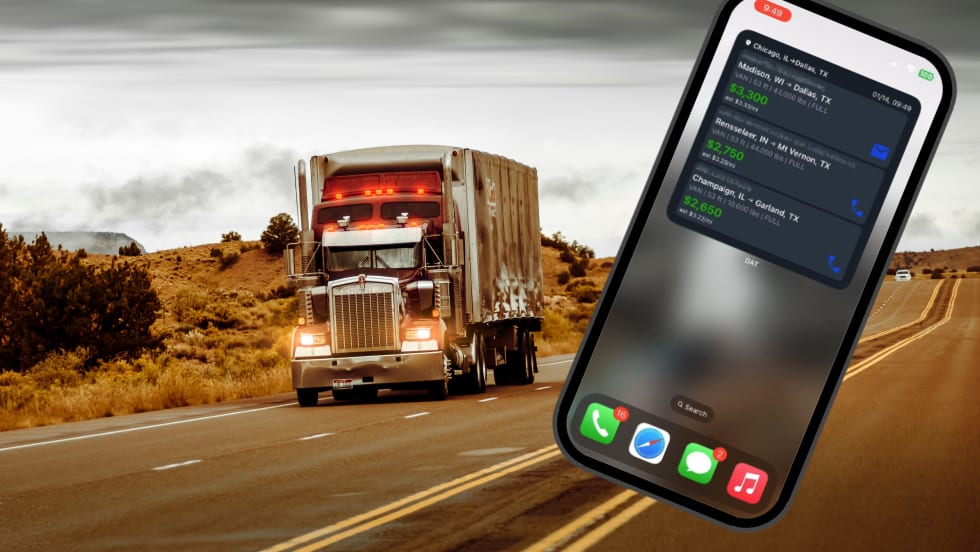
New DAT One feature shows top-paying loads directly on an iPhone’s home screen, helping carriers react faster to spot-market opportunities.
Read More →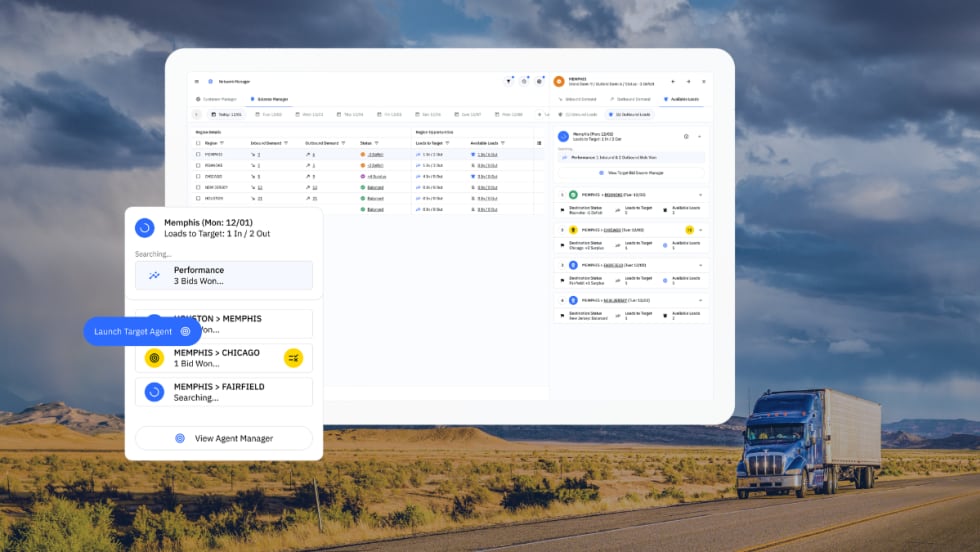
Optimal Dynamics says its new Scale platform uses AI agents and optimization to help carriers find and secure freight that improves network balance and profitability.
Read More →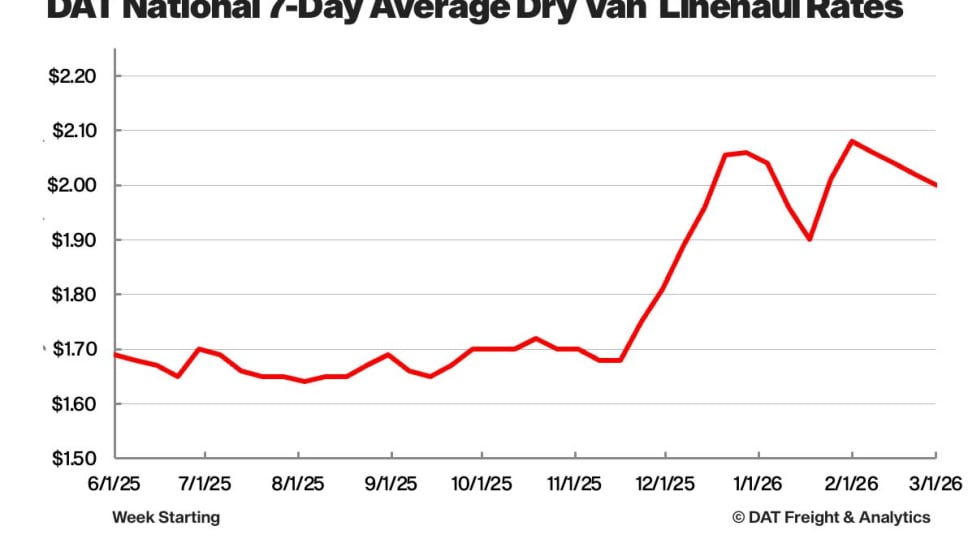
DAT Freight & Analytics data shows tightening flatbed capacity, easing produce markets, and softening van and reefer rates.
Read More →
NACFE's Run on Less - Messy Middle project demonstrates the power of data in helping to guide the future of alternative fuels and powertrains for heavy-duty trucks.
Read More →