




Oil and gas companies have joined forces with the trucking industry to promote improved road safety and traffic management in heavily traveled producing areas like the Eagle Ford in south central Texas, the Marcellus region in the Northeast and the Bakken in the upper Midwest.
The American Petroleum Institute, the American Trucking Associations and the National Tank Truck Carriers have collected nearly two dozen recommendations for roadway safety and more considerate driving practices.
Oil & Gas Producers Join Truckers for Improved Road Safety
Oil and gas companies have joined forces with the trucking industry to promote improved road safety and traffic management in heavily traveled producing areas like the Eagle Ford in south central Texas, the Marcellus region in the Northeast and the Bakken in the upper Midwest.
by Staff
May 2, 20132 min to read
The recommendations will be used as important reminders for member companies and to help develop informational materials on the need to provide safe and responsible trucking operations for the mutual benefit of producers, transporters and the communities in which they operate.
The Houston-based Consumer Energy Alliance – a broad-based association comprised of transportation, agriculture, businesses, consumers and energy organizations – launched the initiative in 2012 to seek improved communications about road safety among its membership and the broader public. The recommendations were formally adopted by the parties at a recent meeting in Houston.
The recommendations are available online and include recommendations to hold frequent meetings with motor carriers to evaluate safety issues, methods for encouraging a culture of safety, techniques to promote access to safety education resources, and practices to properly inform all drivers on the delivery and removal of equipment and materials used during oil and natural gas production.
For their part, producers are encouraged to monitor and enforce requirements for proof of regulatory compliance by motor carriers and to not hire those with unsatisfactory safety ratings. It is recommended for both transporters and producers to be sensitive to local impacts and, to the extent possible, "schedule deliveries and movements to minimize the traffic impact on local communities.”
Glen Kedzie, American Trucking Associations Vice President, Energy & Environmental Counsel said, “Safety remains 'Priority 1' for the trucking industry. Through this collaborative effort of the transportation and energy sectors, along with continued community involvement and education, ATA is confident that these recommendations will go far in improving safety in oil and gas production and exploration transportation activities.”
More Fleet Management

'Beyond Compliance,' Regulations, Driver Coaching on ATRI’s 2026 Research List
The American Transportation Research Institute will examine driver coaching, regulatory impacts — including the "Beyond Compliance" concept —and weather disruptions that shape trucking operations.
Read More →
Fleet Advantage's Brian Antonellis on the Growing Need to Replace Old Trucks
Fleet Advantage's Brian Antonellis says it's time for fleets to get back to the fundamentals of good maintenance practices. And that includes replacing older, inefficient equipment.
Read More →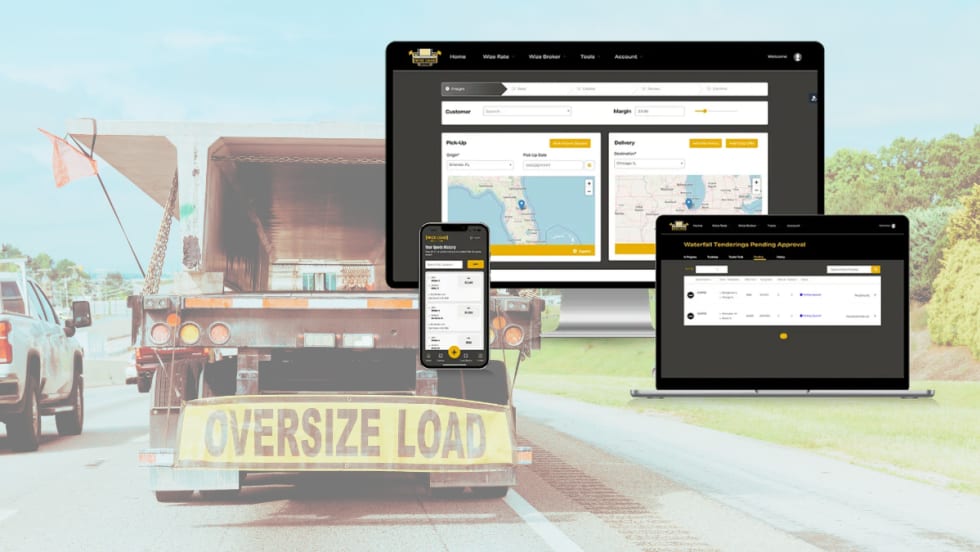
Truckstop.com Adding to Open Deck, Heavy Haul Offerings
Load matching for flatbed, lowbed, oversize and overweight loads can't be automated like basic van freight, but Truckstop.com is adding more high-tech tools to help.
Read More →
Trucker Path, Truckstop.com Expand Load Access Partnership
An expanded Trucker Path and Truckstop.com integration brings more freight opportunities into the TruckLoads app while emphasizing security and network quality.
Read More →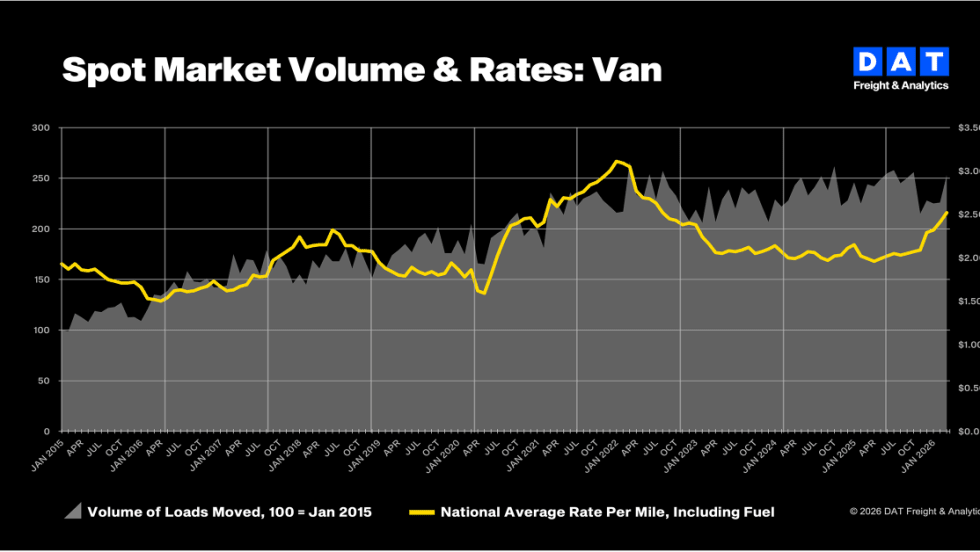
Truckload Rates Hit Two-Year Highs as Diesel Costs Surge, DAT Says
Strong March freight demand combined with a spike in fuel costs pushed both spot and contract truckload rates to their highest levels in more than two years.
Read More →
The AI Conversation You Need to Have with Your TMS Provider
Everyone’s talking about AI — but is your transportation management system actually built for it?
Read More →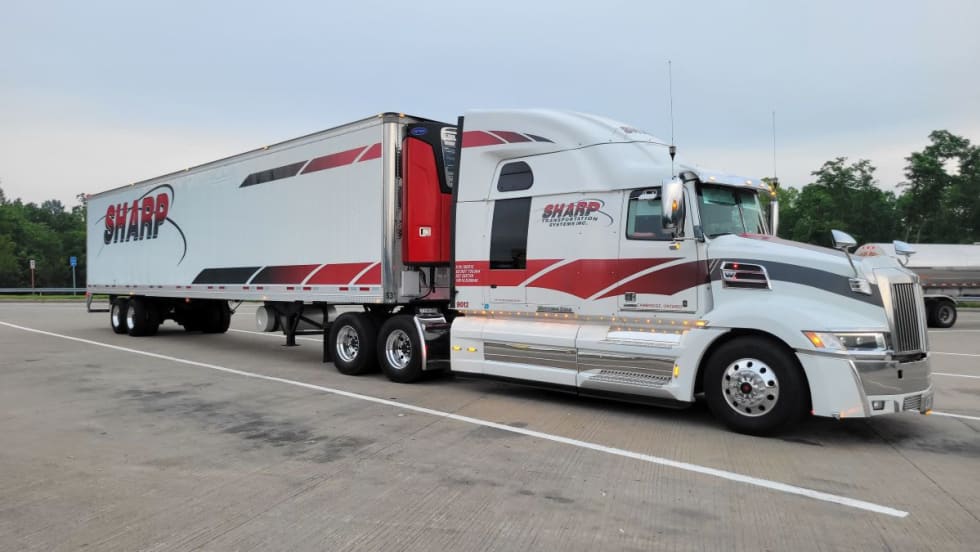
Kriska Buys Fellow Canadian Carrier Sharp Transportation Systems
Being part of KTG will allow Sharp to expand and improve its services.
Read More →
Bill in House Would Raise Minimum Insurance for Motor Carriers to $5 Million
The Fair Compensation for Truck Crash Victims Act would increase insurance requirements for interstate motor carriers by nearly seven times.
Read More →
FTR Trucking Conditions Index Hits Four-Year High in February
Strong freight rates push TCI to 10.2, but FTR expects fuel-price volatility to skew March results.
Read More →
C.H. Robinson Offers Carriers Relief as Diesel Prices Surge
C.H. Robinson is waiving fees on fuel cards and cash advances for April and May, aiming to help carriers offset rising diesel costs tied to geopolitical instability.
Read More →