



TransComply, the manager of the Uniform Food Safety Transportation Protocol, has launched an online public listing of motor carriers that have complied with all the requirements for participation in the program.
 MENU
MENU SEARCH
TransComply, the manager of the Uniform Food Safety Transportation Protocol, has launched an online public listing of motor carriers that have complied with all the requirements for participation in the program.
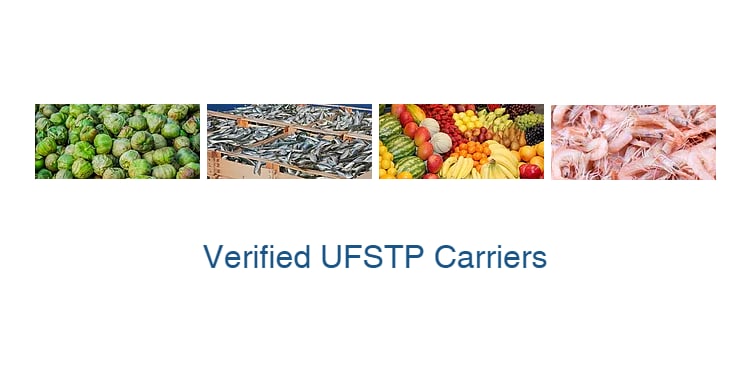
Image via UFSTP website
TransComply, the manager of the Uniform Food Safety Transportation Protocol, has launched an online public listing of motor carriers that have complied with all the requirements for participation in the program.
The carriers are listed at www.ufstp.com/verify. The listed companies have committed to the standards expected for the new U.S. Food and Drug Administration rule on sanitary transportation of human and animal food. The UFSTP helps shippers, brokers, warehouses and others to find compliant businesses, said TransComply.
April 6 is the initial compliance date for the rule, which was mandated by the Food Safety Modernization Act. As of March 20, more than 200 carriers have applied for participation in the UFSTP, with more interest as the April deadline approaches, according to TransComply.
To be confirmed as compliant, a carrier must satisfy the program’s requirements:
Executing the UFSTP agreement, which commits the carrier to compliance in areas such as equipment management and temperature control; following shipper specifications; and training and record-keeping;
Providing evidence of insurance - at least $750,000 BI/PD and at least $100,000 cargo - and making TransComply a certificate holder; and
Maintaining active FMCSA authority
TransComply maintains the UFSTP agreement and certificates of insurance on file for each confirmed UFSTP carrier and monitors FMCSA authority and insurance coverage. Carriers that fail to meet the standards for ongoing participation are removed.
Shippers and brokers can use UFSTP participation as a vetting tool or to incorporate the UFSTP agreement’s terms into contracts and load confirmations by reference.
Small carriers-- those generating less than $27.5 million in revenue-- have an extra year to comply with the FDA rule. However, shippers that must comply by the earlier date are asking that all carriers, regardless of size, confirm their compliance with FDA standards, according to TransComply.
"Small carriers are beginning to realize that even if they don't have to comply with a federal regulation, they still must show they comply with the rule's requirements if they want to haul for some major shippers and brokers of perishable food," said Avery Vise, president of TransComply.
"The UFSTP lets compliant carriers of all sizes declare their use of best practices and remain competitive for spot-market loads of regulated freight," he added.
For more information, click here.

ACT Research data shows volumes hitting a four-year high and supply-demand balance strengthening, but higher oil prices are undercutting tariff relief and tempering optimism.
Read More →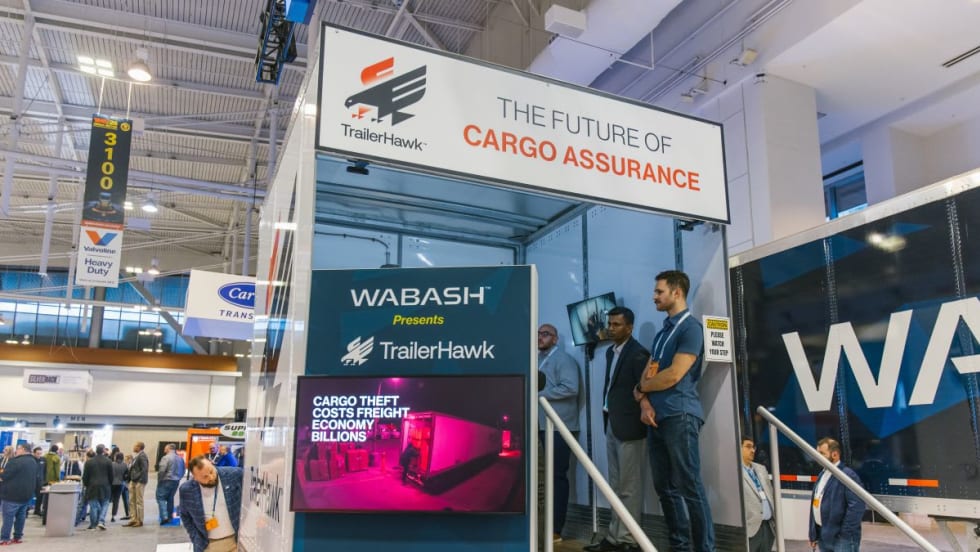
The patent-pending cargo solution integrates a digitally connected cargo door and an intelligent locking system with the TrailerHawk.AI technology platform.
Read More →
The impact of the Iran conflict extends beyond fuel costs, bringing more fraud and cybersecurity risks to the trucking industry.
Read More →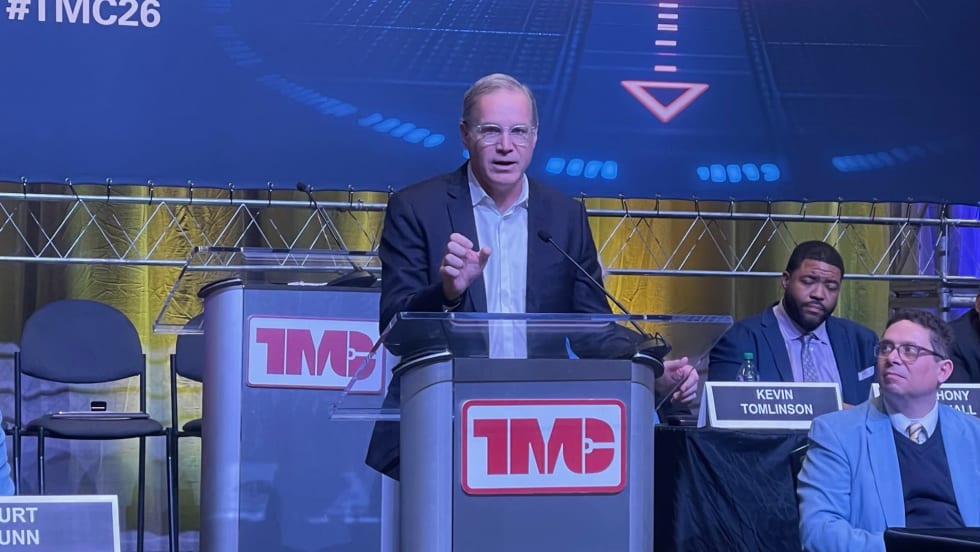
Speaking at the TMC Annual Meeting in Nashville, ATA President Chris Spear said trucking faces mounting pressure from rising fuel prices, geopolitical instability, and uncertainty around trade policy.
Read More →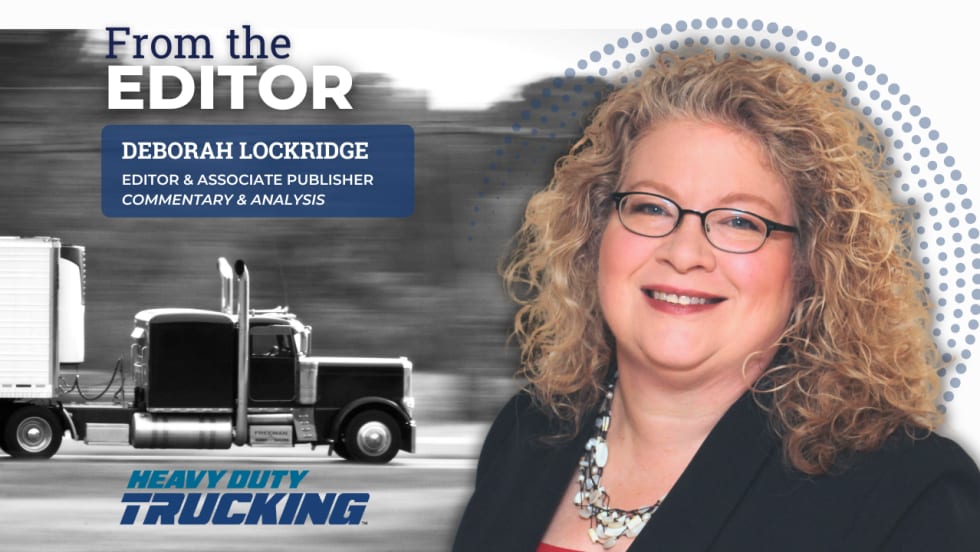
More than 100,000 new trucking companies enter the industry each year, but regulators manage to audit only a fraction of them. That churn creates opportunities for inexperienced startups — and for “chameleon carriers” that shut down after safety violations and reappear under new identities. Read more from Deborah Lockridge in this commentary.
Read More →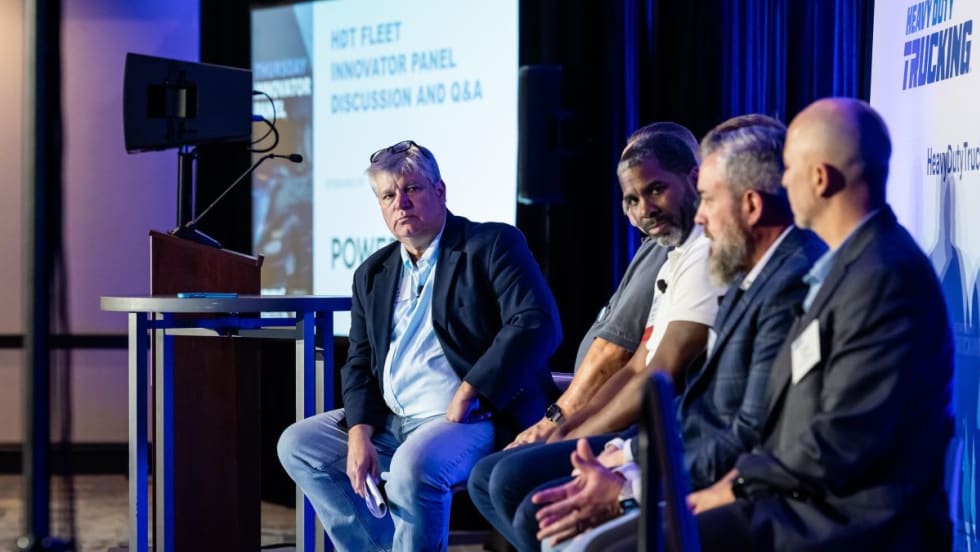
HDTX is an intimate event that connects heavy-duty trucking fleet managers with industry suppliers through small-group discussions, educational sessions, and structured one-on-one meetings.
Read More →
New DAT One feature shows top-paying loads directly on an iPhone’s home screen, helping carriers react faster to spot-market opportunities.
Read More →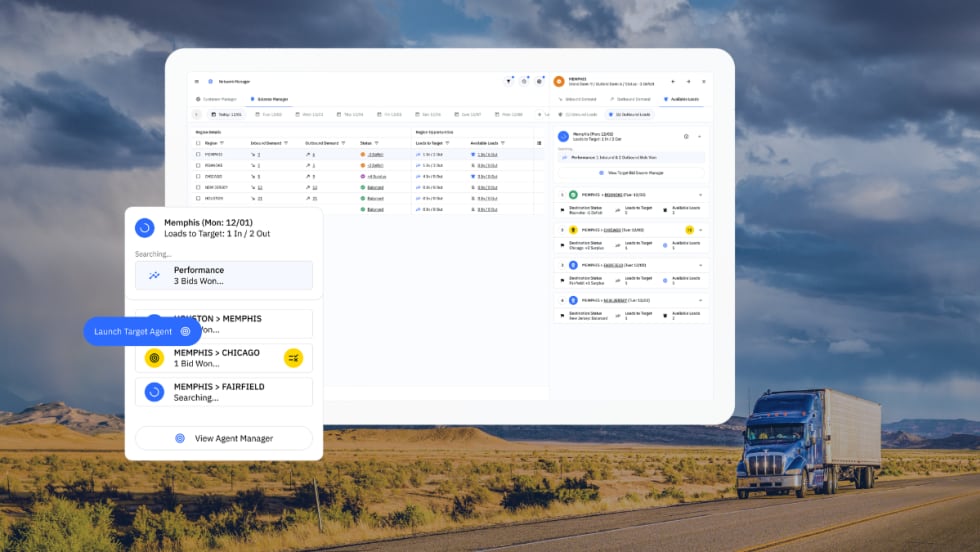
Optimal Dynamics says its new Scale platform uses AI agents and optimization to help carriers find and secure freight that improves network balance and profitability.
Read More →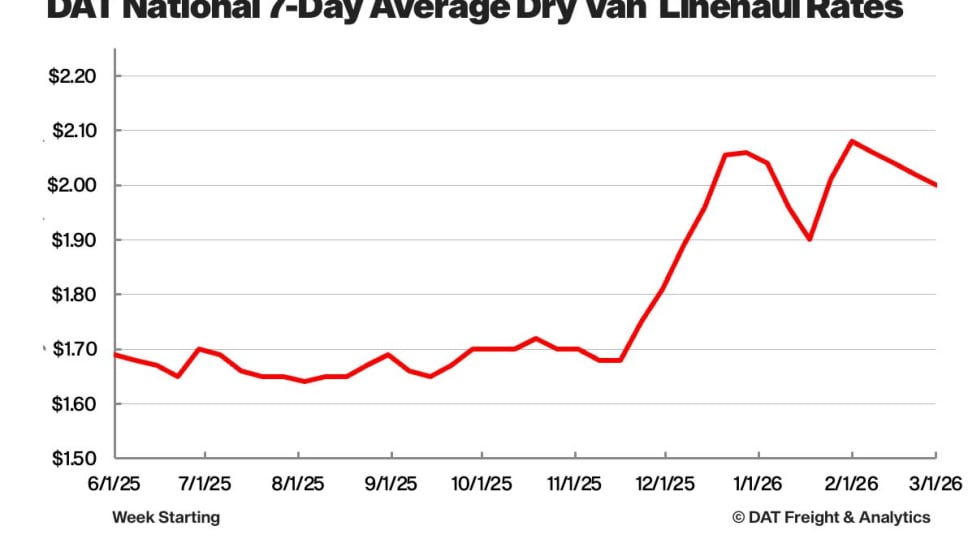
DAT Freight & Analytics data shows tightening flatbed capacity, easing produce markets, and softening van and reefer rates.
Read More →
NACFE's Run on Less - Messy Middle project demonstrates the power of data in helping to guide the future of alternative fuels and powertrains for heavy-duty trucks.
Read More →