



The Owner-Operator Independent Drivers Association responded with criticism on Friday to a recent study by Virginia Tech Transportation Institute, which claims that electronic logging devices would lower truck crash rates.
 MENU
MENU SEARCH
The Owner-Operator Independent Drivers Association responded with criticism on Friday to a recent study by Virginia Tech Transportation Institute, which claims that electronic logging devices would lower truck crash rates.
The Owner-Operator Independent Drivers Association responded with criticism on Friday to a recent study by Virginia Tech Transportation Institute, which claims that electronic logging devices would lower truck crash rates.
"The study's conclusion is flawed because it included all other types of crashes except those that supposedly would be prevented with electronic logging devices," said OOIDA Executive Vice President Todd Spencer.
VTTI’s research it conducted for the Federal Motor Carrier Safety Administration concluded trucks with electronic logging devices have 11.7% fewer preventable crashes and 5.1% fewer non-preventable crashes than trucks without such devices. FMCSA said the research shows ELDs would increase hours-of-service compliance, which would in turn reduce driver fatigue and fatigue-related crashes.
OOIDA claims the report's researchers admit that there wasn't enough data to find any safety benefits when comparing DOT-recordable or fatigue-related crashes and that the small sample size of the study limited the ability to determine a significant difference between trucks with ELDs and trucks without them for fatigue-related crashes.
"The possible changes that hold the most promise in improving highway safety are things like driver training, better working environments, support systems and safe parking," said Spencer. "We'd like to see well-trained drivers put into trucks instead of unproven technology. It is the hallmark of a bureaucracy to embrace billion-dollar mandates in the name of safety while all but ignoring the absence of even basic driver training for new drivers entering the industry."
OOIDA represents both truck drivers and small-business trucking companies.
The FMCSA is currently accepting comments on proposed regulations to require the use of electronic logging devices with the comment period recently being extended until June 26.

The American Transportation Research Institute will examine driver coaching, regulatory impacts — including the "Beyond Compliance" concept —and weather disruptions that shape trucking operations.
Read More →
Fleet Advantage's Brian Antonellis says it's time for fleets to get back to the fundamentals of good maintenance practices. And that includes replacing older, inefficient equipment.
Read More →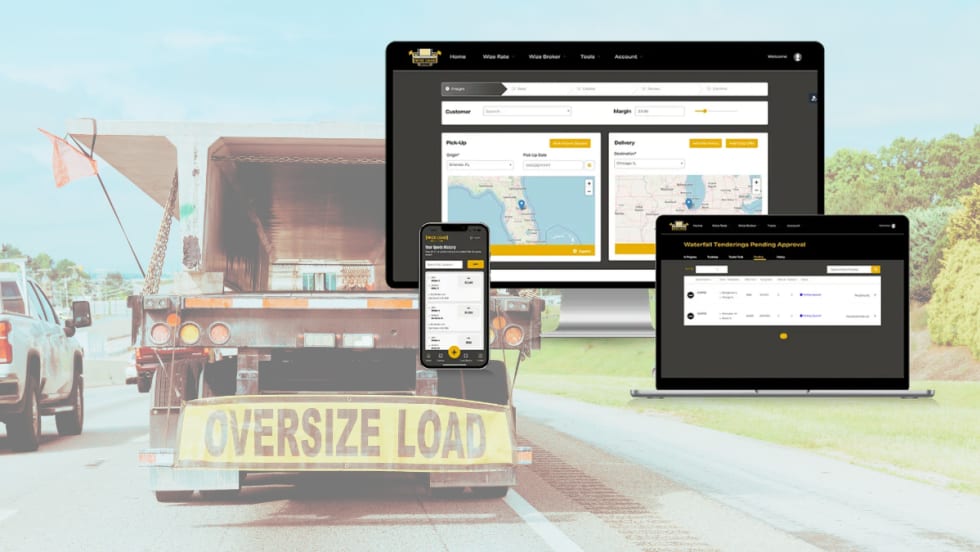
Load matching for flatbed, lowbed, oversize and overweight loads can't be automated like basic van freight, but Truckstop.com is adding more high-tech tools to help.
Read More →
An expanded Trucker Path and Truckstop.com integration brings more freight opportunities into the TruckLoads app while emphasizing security and network quality.
Read More →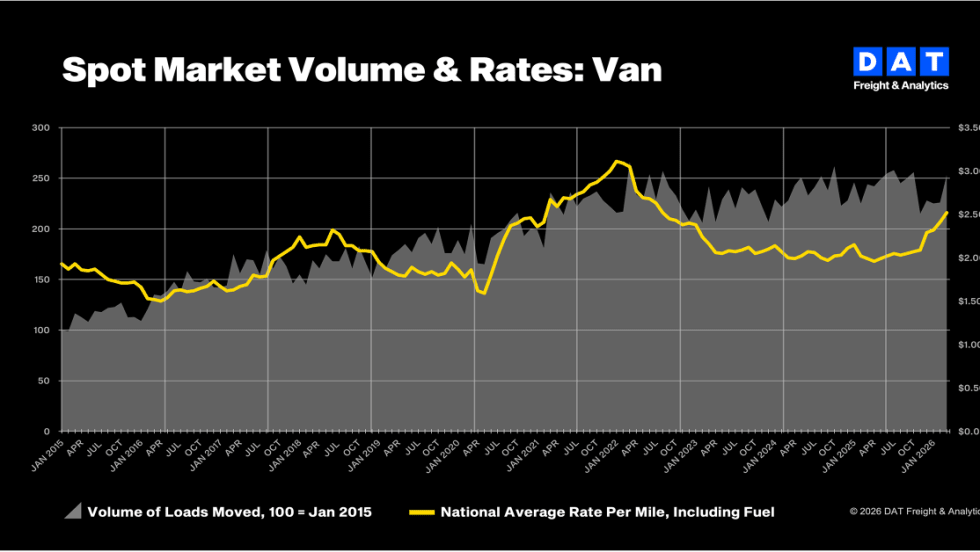
Strong March freight demand combined with a spike in fuel costs pushed both spot and contract truckload rates to their highest levels in more than two years.
Read More →
Everyone’s talking about AI — but is your transportation management system actually built for it?
Read More →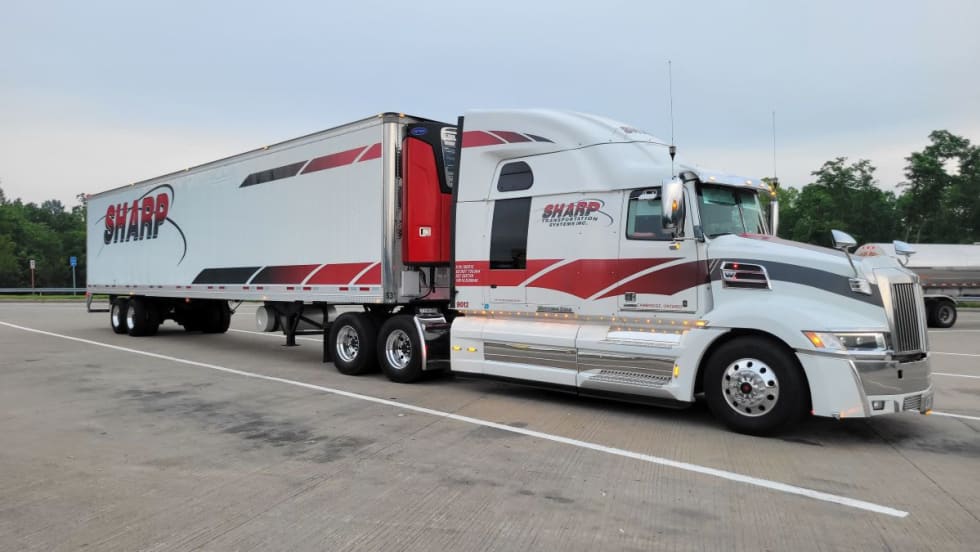
Being part of KTG will allow Sharp to expand and improve its services.
Read More →
The Fair Compensation for Truck Crash Victims Act would increase insurance requirements for interstate motor carriers by nearly seven times.
Read More →
Strong freight rates push TCI to 10.2, but FTR expects fuel-price volatility to skew March results.
Read More →
C.H. Robinson is waiving fees on fuel cards and cash advances for April and May, aiming to help carriers offset rising diesel costs tied to geopolitical instability.
Read More →