




Pennsylvania has targeted five “heavy-truck crash corridors” for extra enforcement, improvements and public education, according to the Allentown Morning Call.
According to a report recently submitted to state lawmakers, Pennsylvania ranked second only to Texas for the number of crashes involving large trucks in 1998. The 7,300 crashes resulted in 192 deaths and nearly 6,000 injuries.
The five corridors were first identified in 1998. Included on the list is all of Interstate 95; U.S. Route 22 from Monroeville to Altoona in western Pennsylvania; state Route 61 from Interstate 81 to Reading; state Route 41 from U.S. Route 30 through Chester and Lancaster counties to the Delaware line; U.S. Route 11/15 from Amity Hall to Selinsgrove; and Interstate 581 in Harrisburg.
Under development are electronic devices that can detect trucks and other vehicles that speed, tailgate or run red lights. Police could use the information immediately to pull over and ticket offenders. Officials say similar automated enforcement devices are being used in New York City and California. However, Gary Hoffman, PennDOT's chief engineer, told the paper that he was concerned about privacy issues.
In a separate pilot project, PennDOT already is experimenting with an electronic device that weighs trucks as they approach a curve, estimates their speed and flashes a warning if they are in danger of rolling over. Two of the devices are positioned along Interstate 83.
PennDOT Targets Heavy Truck Traffic Accident Corridors
Pennsylvania has targeted five “heavy-truck crash corridors” for extra enforcement, improvements and public education, according to the Allentown Morning Call
More Drivers

FMCSA Extends Paper Medical Card Exemption … Again
Five states still aren't ready to accept commercial driver medical exam information directly from the medical examiner's registry.
Read More →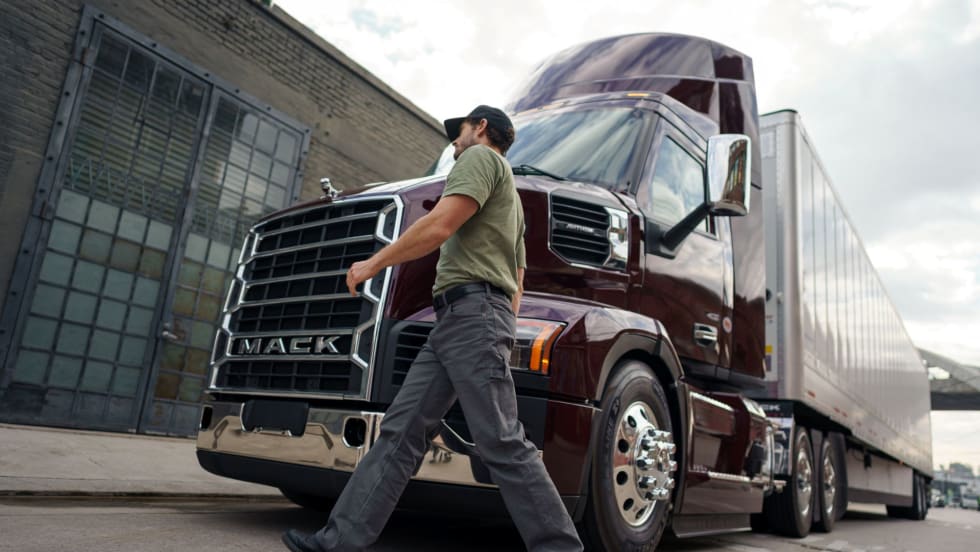
Mack Launches Digital Driver Guide for Chassis-Specific Truck Info
Mack’s new, virtual owner’s manual delivers VIN-based, on-demand guidance for vehicle systems via web, app, and soon in-cab displays.
Read More →
Western Star Showcases Truckers' Pride and Skill
Western Star is expanding its Star Nation Experience in 2026, adding new competitions and dealer participation to highlight operator skills and promote careers in trucking.
Read More →
Best Fleets to Drive For: Two Carriers Earn Overall Award for First Time
CarriersEdge announced the 2026 Best Fleets to Drive For overall winners, with Crawford Trucking, Fortigo Freight Services, and FTC Transportation receiving top awards.
Read More →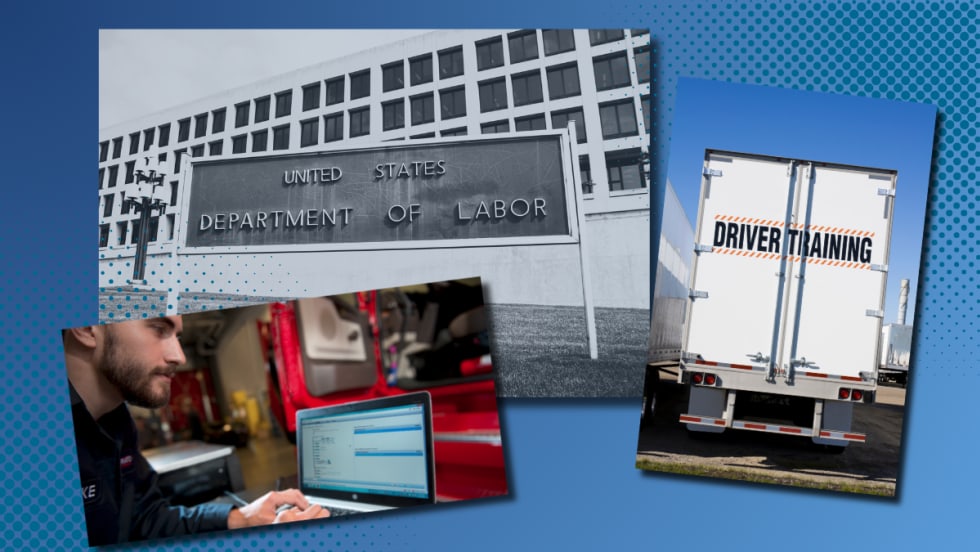
Federal Proposal Would Allow Pell Grants for Shorter-Term Job Training
The Department of Labor plans to expand Pell Grant eligibility to some shorter workforce training programs, a move the American Trucking Associations said will help strengthen commercial driver training schools and diesel technician training programs.
Read More →
Owner-Operator Model Gets Boost as DOL Proposes 2024 Independent Contractor Definition Reversal
For an industry that has watched this issue go back and forth for years, the independent contractor proposal marks the latest swing in the regulatory pendulum.
Read More →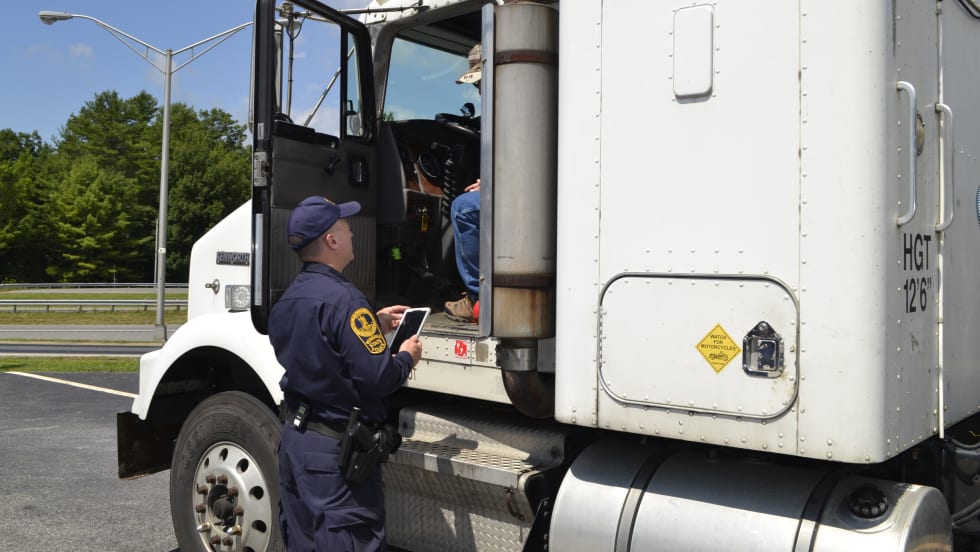
FMCSA Reinstates Field Warrior ELD to Registered Device List
One electronic logging device has been reinstated to the FMCSA's list of registered ELDs.
Read More →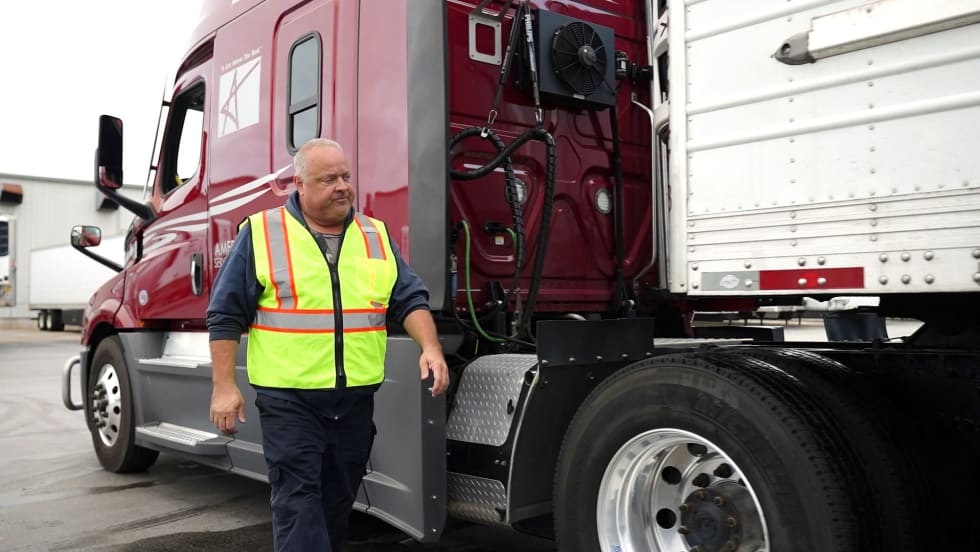
How One Company is Using Smart Suspension Technology to Reduce Driver Injuries and Improve Retention
America’s Service Line adopted Link’s SmartValve and ROI Cabmate systems to address whole-body vibration, repetitive strain, and driver turnover. The trucking fleet is already seeing measurable results.
Read More →
CarriersEdge Announces 2026 Best Fleets to Drive For
The 18th annual contest recognizing the best workplaces for truck drivers sees changes to Top 20, Hall of Fame
Read More →
FMCSA Targets 550+ ‘Sham’ CDL Schools in Nationwide Sting Operation
The Federal Motor Carrier Safety Administration issued more than 550 notices of proposed removal to commercial driver training providers following a five-day nationwide enforcement sweep. Investigators cited unqualified instructors, improper training vehicles, and failure to meet federal and state requirements.
Read More →