



PierPass Inc. has launched a new test program called the Free-Flow Program to reduce the time trucks spend picking up containers at marine terminals at the Ports of Los Angeles and Long Beach.
 MENU
MENU SEARCH
PierPass Inc. has launched a new test program called the Free-Flow Program to reduce the time trucks spend picking up containers at marine terminals.
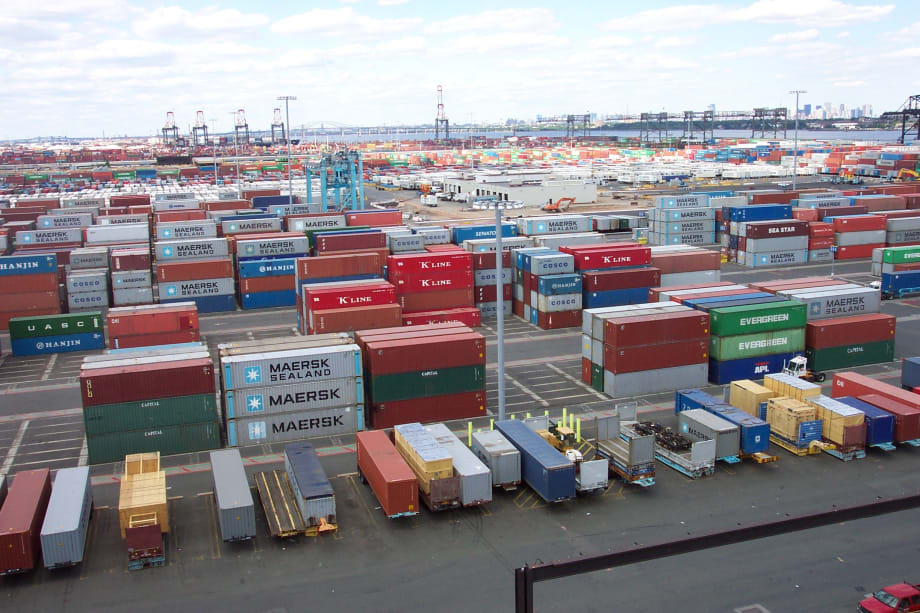
Photo via Wikipedia.
PierPass Inc. has launched a new test program called the Free-Flow Program to reduce the time trucks spend picking up containers at marine terminals at the Ports of Los Angeles and Long Beach.
The Free-Flow Program consists of a new cargo handling process that enables bulk delivery of large groups of containers belonging to the same cargo owner, trucking company or logistics company.
“To keep cargo flowing quickly as ships grow ever larger, we need to change how we move containers,” said Bruce Wargo, president and CEO of PierPass. “Doing the same things incrementally faster won’t solve congestion pressures.”
The free-flow process used by the PierPass program begins when a ship is being unloaded. All containers are separated into a stack by the company which owns or claims them. The owner of the cargo then sends a stream of trucks into the marine terminal through a special lane and each truck takes the next container in the stack.
Currently when ships are unloaded they pile cargo into stacks in the order they come off the ship. When trucks arrive they request a specific container and it must be located and dug out of a stack that can sometimes be five containers high and six containers deep.
Using this process, an average of only eight to ten containers per hour can be delivered. Using the free-flow process, as many as 20 containers can be delivered in an hour, says PierPass. Results from trial runs of the free-flow process have shown improvements with trucking companies reporting turn times as short as 11 minutes compared to about 45 minutes in a typical transaction.
Some terminal operators believe that free-flow might eventually account for 30% of cargo moves. While only trucks participating in the Free-Flow Program will see the biggest improvement, PierPass believes that the benefits will spill over to the rest of the trucks.
To check out a video from PierPass on the Truck Turn process click here.
ACT Research data shows volumes hitting a four-year high and supply-demand balance strengthening, but higher oil prices are undercutting tariff relief and tempering optimism.
Read More →
The patent-pending cargo solution integrates a digitally connected cargo door and an intelligent locking system with the TrailerHawk.AI technology platform.
Read More →
The impact of the Iran conflict extends beyond fuel costs, bringing more fraud and cybersecurity risks to the trucking industry.
Read More →
Speaking at the TMC Annual Meeting in Nashville, ATA President Chris Spear said trucking faces mounting pressure from rising fuel prices, geopolitical instability, and uncertainty around trade policy.
Read More →
More than 100,000 new trucking companies enter the industry each year, but regulators manage to audit only a fraction of them. That churn creates opportunities for inexperienced startups — and for “chameleon carriers” that shut down after safety violations and reappear under new identities. Read more from Deborah Lockridge in this commentary.
Read More →
HDTX is an intimate event that connects heavy-duty trucking fleet managers with industry suppliers through small-group discussions, educational sessions, and structured one-on-one meetings.
Read More →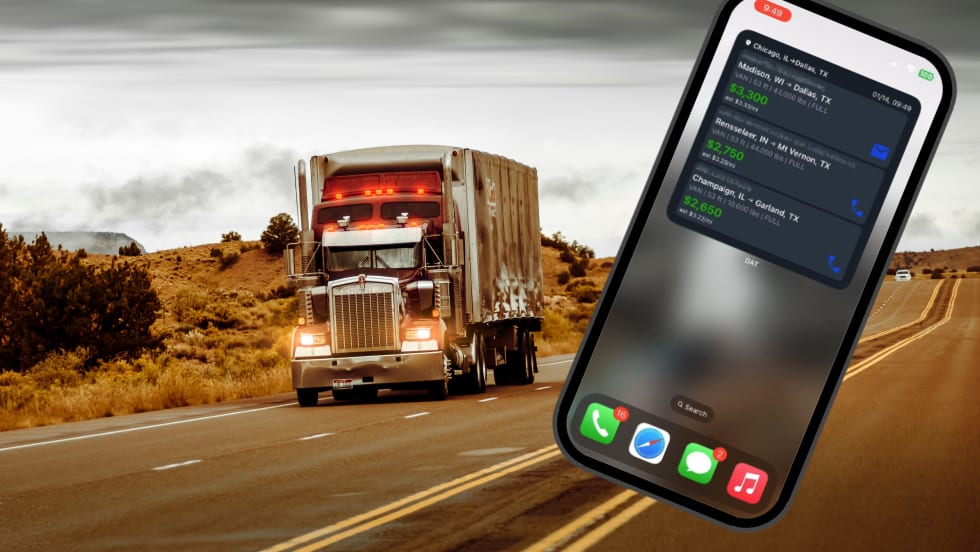
New DAT One feature shows top-paying loads directly on an iPhone’s home screen, helping carriers react faster to spot-market opportunities.
Read More →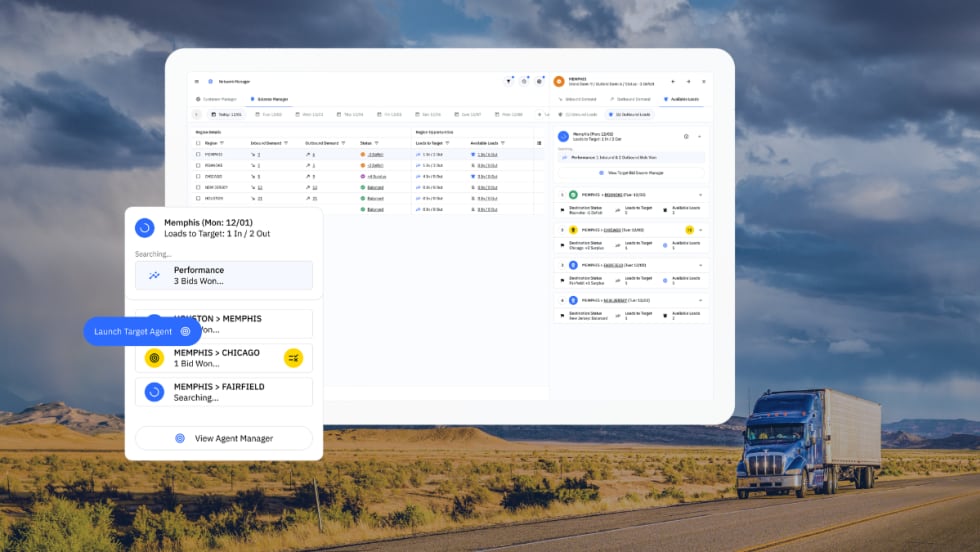
Optimal Dynamics says its new Scale platform uses AI agents and optimization to help carriers find and secure freight that improves network balance and profitability.
Read More →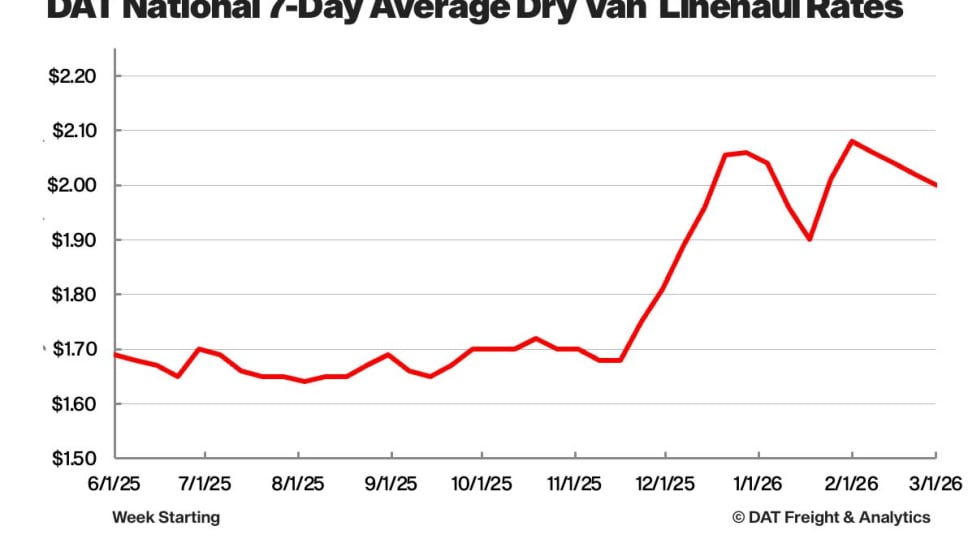
DAT Freight & Analytics data shows tightening flatbed capacity, easing produce markets, and softening van and reefer rates.
Read More →
NACFE's Run on Less - Messy Middle project demonstrates the power of data in helping to guide the future of alternative fuels and powertrains for heavy-duty trucks.
Read More →