




Los Angeles Mayor Antonio Villaraigosa and Port of Los Angeles officials broke ground on a new intermodal storage railyard that will improve a vital link in the national freight network. The new yard will function as a critical link between the Port of Los Angeles and the Alameda Corridor, providing staging and storage for trains using the corridor.
Port of L.A. Breaks Ground on $137.7 million Project
Los Angeles Mayor Antonio Villaraigosa and Port of Los Angeles officials broke ground on a new intermodal storage railyard that will improve a vital link in the national freight network. The new yard will function as a critical link between the Port of Los Angeles and the Alameda Corridor, providing staging and storage for trains using the corridor.
by Staff
January 17, 2013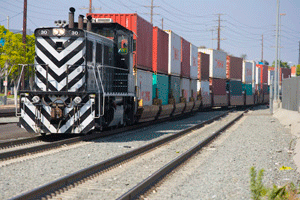
3 min to read
Construction of the $137.7 million rail project at Berth 200, also known as the West Basin Railyard, will generate about 2,000 direct and indirect jobs. When completed, the new yard will move cargo more safely and efficiently, reduce truck traffic on roads and freeways and improve regional air quality while strengthening the Port of Los Angeles' position as the nation's No. 1 trade gateway.
The Berth 200 railyard project also enables track space at the TraPac container terminal to serve as TraPac's future on-dock rail facility. With completion of the $365 million in rail, roadway and terminal improvements at TraPac over the next three years, TraPac will join the other seven container terminals at the Port of Los Angeles that offer shippers the speed-to-market advantage of on-dock rail.
The railyard will be constructed with $16 million in federal grant money from the U.S. Department of Transportation's highly competitive Transportation Investment Generating Economic Recovery program known as the TIGER Discretionary Grant program. The Port secured $51.2 million from the State Proposition 1B Trade Corridors Improvement Fund Grant that is administered by Caltrans and $22.1 million from METRO-awarded federal funds. The Port is investing $48.37 million from its Harbor Revenue funds for the project.
Project benefits include:
- Creating approximately 2,000 direct construction and indirect jobs.
- Maximizing use of on-dock rail shifts container transport from trucks to on-dock rail, reducing harmful emissions by 593,955 tons over a 20-year period.
- Improving safety via truck trip reductions on I-710, which has the highest accident rate in California, and via the removal of two at-grade rail-roadway crossings that are impediments between the community and the waterfront area.
- The new yard is projected to generate $1 billion in annual state revenues by 2030.
- When completed, the railyard will eliminate 2,300 daily truck trips from the Long Beach (710) and Harbor (110) freeways.
- Using the most up-to-date green and clean Tier IV construction equipment.
The project will be built in two phases. Phase I includes construction of the new yard, support tracks for the TraPac and China Shipping/West Basin Container terminals, double-track connections to the Alameda Corridor and national rail network, and access road improvements.
Phase II is due to begin construction in 2013 and includes final rail network connections and vehicle overpasses to eliminate at-grade crossings for safer, more efficient flow of truck and commuter traffic. Both phases are due to be completed in summer 2014.
Construction of the rail project begins on the heels of completion of the Harry Bridges Boulevard Roadway Improvements, a $22 million project also built with federal stimulus dollars.
More Fleet Management

'Beyond Compliance,' Regulations, Driver Coaching on ATRI’s 2026 Research List
The American Transportation Research Institute will examine driver coaching, regulatory impacts — including the "Beyond Compliance" concept —and weather disruptions that shape trucking operations.
Read More →
Fleet Advantage's Brian Antonellis on the Growing Need to Replace Old Trucks
Fleet Advantage's Brian Antonellis says it's time for fleets to get back to the fundamentals of good maintenance practices. And that includes replacing older, inefficient equipment.
Read More →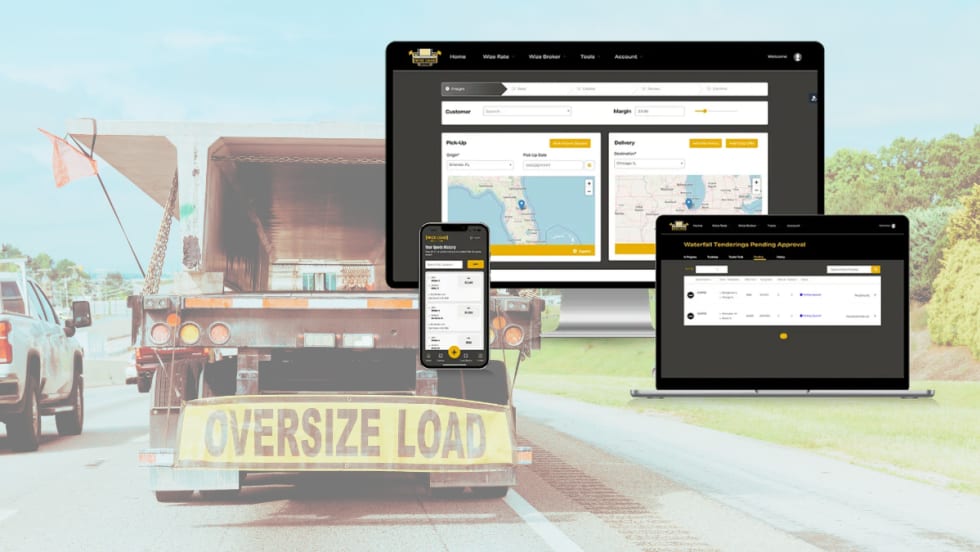
Truckstop.com Adding to Open Deck, Heavy Haul Offerings
Load matching for flatbed, lowbed, oversize and overweight loads can't be automated like basic van freight, but Truckstop.com is adding more high-tech tools to help.
Read More →
Trucker Path, Truckstop.com Expand Load Access Partnership
An expanded Trucker Path and Truckstop.com integration brings more freight opportunities into the TruckLoads app while emphasizing security and network quality.
Read More →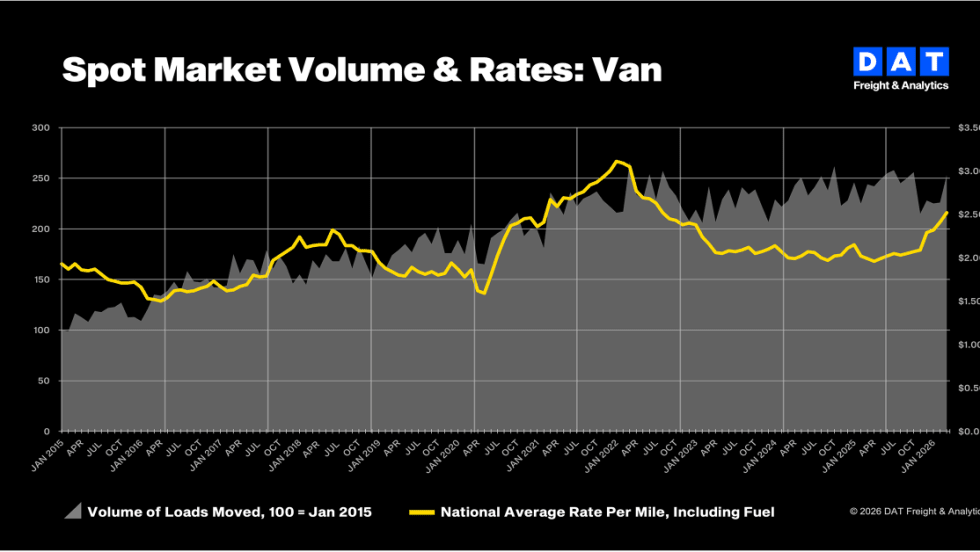
Truckload Rates Hit Two-Year Highs as Diesel Costs Surge, DAT Says
Strong March freight demand combined with a spike in fuel costs pushed both spot and contract truckload rates to their highest levels in more than two years.
Read More →
The AI Conversation You Need to Have with Your TMS Provider
Everyone’s talking about AI — but is your transportation management system actually built for it?
Read More →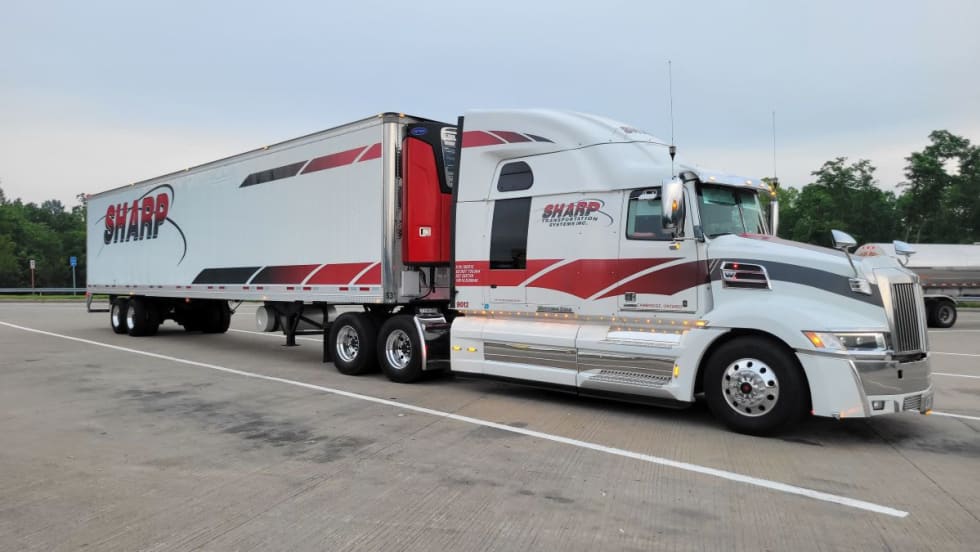
Kriska Buys Fellow Canadian Carrier Sharp Transportation Systems
Being part of KTG will allow Sharp to expand and improve its services.
Read More →
Bill in House Would Raise Minimum Insurance for Motor Carriers to $5 Million
The Fair Compensation for Truck Crash Victims Act would increase insurance requirements for interstate motor carriers by nearly seven times.
Read More →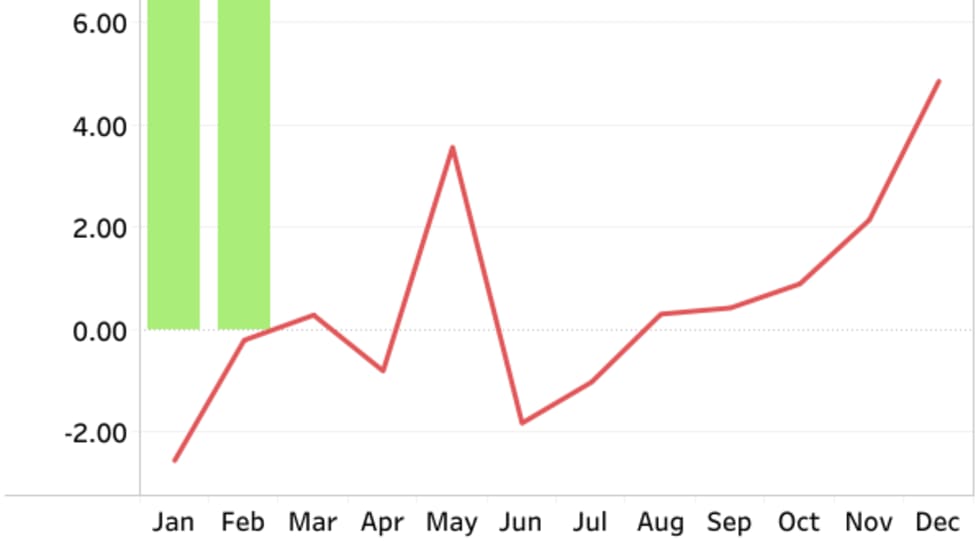
FTR Trucking Conditions Index Hits Four-Year High in February
Strong freight rates push TCI to 10.2, but FTR expects fuel-price volatility to skew March results.
Read More →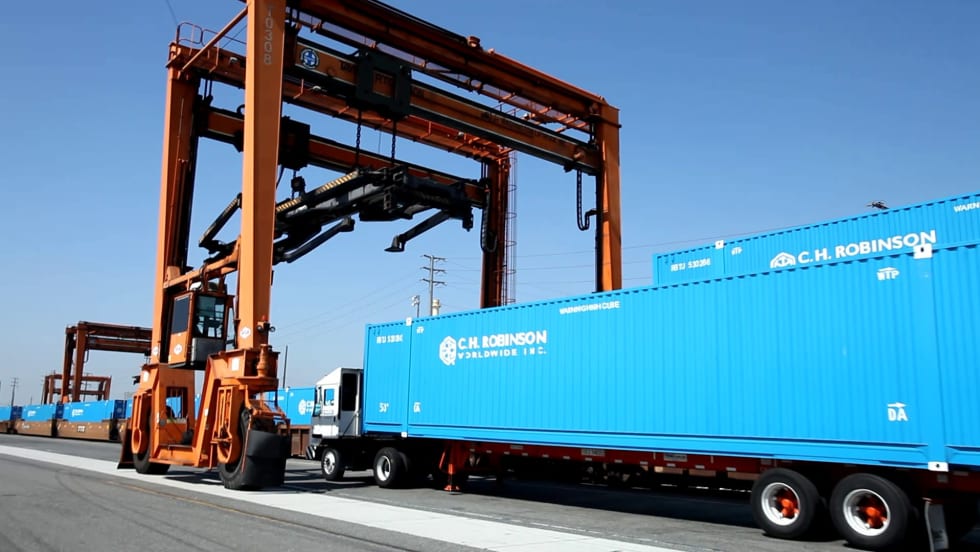
C.H. Robinson Offers Carriers Relief as Diesel Prices Surge
C.H. Robinson is waiving fees on fuel cards and cash advances for April and May, aiming to help carriers offset rising diesel costs tied to geopolitical instability.
Read More →