




The Port of Seattle has scrapped 200 older, higher-emissions trucks since the launch of the Scrappage and Retrofits for Air in Puget Sound (SCRAPS) program.
Port of Seattle Takes 200 Dirty Trucks Off the Roads
The Port of Seattle has scrapped 200 older, higher-emissions trucks since the launch of the Scrappage and Retrofits for Air in Puget Sound (SCRAPS) program
by Staff
July 1, 2010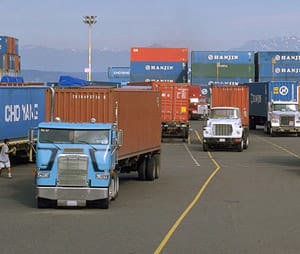
The Scrappage and Retrofits for Air in Puget Sound (Scraps) program hopes to get 250 trucks with pre-1994 engines off the road. It's already reached 200. (Photo courtesy of Port of Seattle)
2 min to read
The program was launched last November with the goal of taking at least 250 container-hauling, or "drayage," trucks with pre-1994 engines off the road.
"Removing 200 of the dirtiest trucks from the road is a big milestone," said Tay Yoshitani, Port of Seattle CEO. "Truck drivers have been able to invest in newer, cleaner trucks - trucks that improve air quality for our neighbors while moving cargo through our gateway to markets across the globe."
Through the program, truckers receive $5,000 or the blue book value of their truck -- whichever is greater -- in return for scrapping their old truck.
The Puget Sound Clean Air Agency developed the SCRAPS program using grant funding from the Port of Seattle and contracted its implementation to Cascade Sierra Solutions, an Oregon-based non-profit organization. The program was designed to support the goals of the Northwest Ports Clean Air Strategy, which aims to lower emissions from all sectors of maritime operations.
The program uses a combination of grant funding from the Port of Seattle, the Washington Department of Ecology, and the Clean Air Agency. Truckers have the option of taking their buy-back money and purchasing a newer truck with loan assistance from Cascade Sierra Solutions, purchasing their replacement truck from a third party, or leaving the drayage trucking industry altogether, as nearly 10 percent of the participants have done.
As of its most recent accounting period last month, the program has spent $910,000 to take pre-1994 trucks off the road.
"Every dirty truck scrapped through this program makes a difference for our air quality, and more importantly, to the health of those who live and work in areas adjacent to the port," said Jim Nolan, interim executive director of the Puget Sound Clean Air Agency. "The two hundred trucks scrapped to date will remove 2.8 tons of toxic particle pollution from the air each year, and no doubt save lives."
More Fleet Management

'Beyond Compliance,' Regulations, Driver Coaching on ATRI’s 2026 Research List
The American Transportation Research Institute will examine driver coaching, regulatory impacts — including the "Beyond Compliance" concept —and weather disruptions that shape trucking operations.
Read More →
Fleet Advantage's Brian Antonellis on the Growing Need to Replace Old Trucks
Fleet Advantage's Brian Antonellis says it's time for fleets to get back to the fundamentals of good maintenance practices. And that includes replacing older, inefficient equipment.
Read More →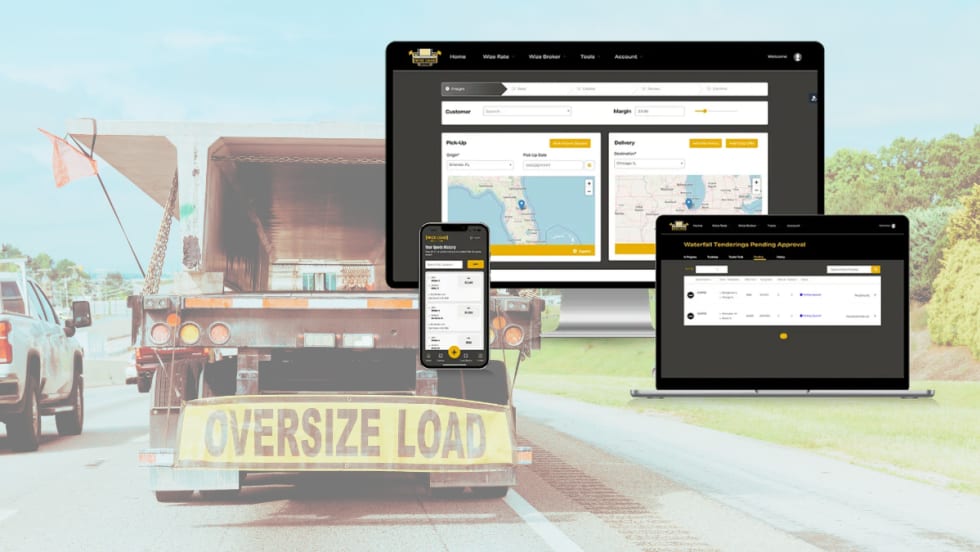
Truckstop.com Adding to Open Deck, Heavy Haul Offerings
Load matching for flatbed, lowbed, oversize and overweight loads can't be automated like basic van freight, but Truckstop.com is adding more high-tech tools to help.
Read More →
Trucker Path, Truckstop.com Expand Load Access Partnership
An expanded Trucker Path and Truckstop.com integration brings more freight opportunities into the TruckLoads app while emphasizing security and network quality.
Read More →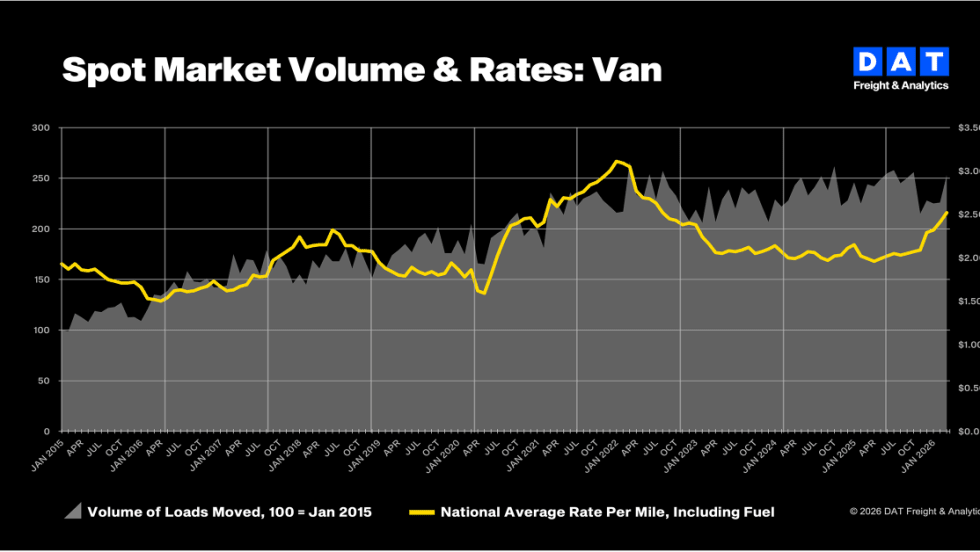
Truckload Rates Hit Two-Year Highs as Diesel Costs Surge, DAT Says
Strong March freight demand combined with a spike in fuel costs pushed both spot and contract truckload rates to their highest levels in more than two years.
Read More →
The AI Conversation You Need to Have with Your TMS Provider
Everyone’s talking about AI — but is your transportation management system actually built for it?
Read More →
Kriska Buys Fellow Canadian Carrier Sharp Transportation Systems
Being part of KTG will allow Sharp to expand and improve its services.
Read More →
Bill in House Would Raise Minimum Insurance for Motor Carriers to $5 Million
The Fair Compensation for Truck Crash Victims Act would increase insurance requirements for interstate motor carriers by nearly seven times.
Read More →
FTR Trucking Conditions Index Hits Four-Year High in February
Strong freight rates push TCI to 10.2, but FTR expects fuel-price volatility to skew March results.
Read More →
C.H. Robinson Offers Carriers Relief as Diesel Prices Surge
C.H. Robinson is waiving fees on fuel cards and cash advances for April and May, aiming to help carriers offset rising diesel costs tied to geopolitical instability.
Read More →