




Port facilities located along the U.S. East Coast and the two biggest Class-1 railroads in the east are poised to grab market share from their West Coast rivals when the refurbished Panama Canal opens in 2014.
ProLogis: East Coast Ports to Grow with Panama Canal Opening
Port facilities located along the U.S. East Coast and the two biggest Class-1 railroads in the east are poised to grab market share from their West Coast rivals when the refurbished Panama Canal opens in 2014
by Staff
December 15, 2010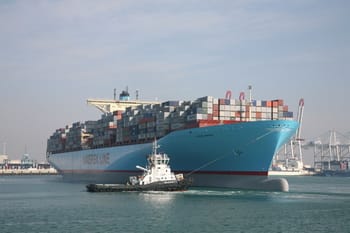
Post-Panamax vessels using the widened Panama Canal after 2014 will hurt volumes at West Coast ports. (photo by Maersk)
2 min to read
A report released by ProLogis, a leading global provider of distribution facilities, titled "Capital Improvements Bolster the East Coast's Intermodal Rail Network," suggests the Norfolk Southern and the CSX and the east coast ports they serve will benefit from transpacific container traffic that gets rerouted from West Coast to East Coast ports.
"With the East Coast ports maneuvering to increase their market shares, the two eastern railroads are attempting to position themselves to increase their market shares of the nation's intermodal double-stack rail freight traffic," commented Leonard Sahling, first vice president of the ProLogis Research Group. "Additionally, however big the shifts in market shares of the East Coast ports and their railroad allies do turn out to be, they are likely to have only a modest impact on the derived demand for nearby distribution facilities. The vast majority of inbound containers arriving at all U.S. ports are destined for inland population centers, and it is this portion of transpacific container traffic that is vulnerable to being rerouted from West Coast to East Coast ports."
For a copy of the report on the East Coast's intermodal network, please visit: PrologisResearchhttp://ir.prologis.com/research/EastCoastIntermodalWinter2010.cfm.
More Fleet Management

'Beyond Compliance,' Regulations, Driver Coaching on ATRI’s 2026 Research List
The American Transportation Research Institute will examine driver coaching, regulatory impacts — including the "Beyond Compliance" concept —and weather disruptions that shape trucking operations.
Read More →
Fleet Advantage's Brian Antonellis on the Growing Need to Replace Old Trucks
Fleet Advantage's Brian Antonellis says it's time for fleets to get back to the fundamentals of good maintenance practices. And that includes replacing older, inefficient equipment.
Read More →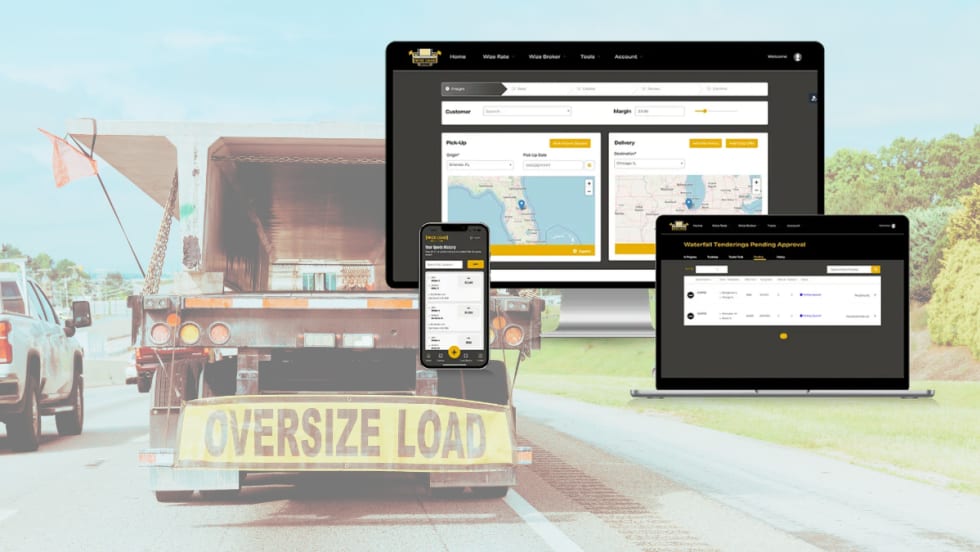
Truckstop.com Adding to Open Deck, Heavy Haul Offerings
Load matching for flatbed, lowbed, oversize and overweight loads can't be automated like basic van freight, but Truckstop.com is adding more high-tech tools to help.
Read More →
Trucker Path, Truckstop.com Expand Load Access Partnership
An expanded Trucker Path and Truckstop.com integration brings more freight opportunities into the TruckLoads app while emphasizing security and network quality.
Read More →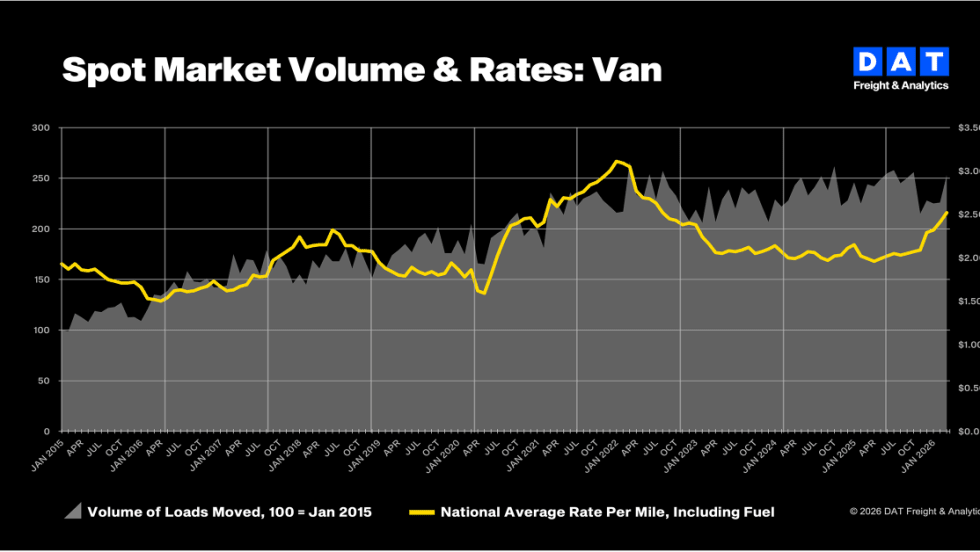
Truckload Rates Hit Two-Year Highs as Diesel Costs Surge, DAT Says
Strong March freight demand combined with a spike in fuel costs pushed both spot and contract truckload rates to their highest levels in more than two years.
Read More →
The AI Conversation You Need to Have with Your TMS Provider
Everyone’s talking about AI — but is your transportation management system actually built for it?
Read More →
Kriska Buys Fellow Canadian Carrier Sharp Transportation Systems
Being part of KTG will allow Sharp to expand and improve its services.
Read More →
Bill in House Would Raise Minimum Insurance for Motor Carriers to $5 Million
The Fair Compensation for Truck Crash Victims Act would increase insurance requirements for interstate motor carriers by nearly seven times.
Read More →
FTR Trucking Conditions Index Hits Four-Year High in February
Strong freight rates push TCI to 10.2, but FTR expects fuel-price volatility to skew March results.
Read More →
C.H. Robinson Offers Carriers Relief as Diesel Prices Surge
C.H. Robinson is waiving fees on fuel cards and cash advances for April and May, aiming to help carriers offset rising diesel costs tied to geopolitical instability.
Read More →