




Water contamination in fuel has always been a problem with both industrial and transportation fleets. In today's engines, with some injector tolerances of 3-5 microns, it has become acute.
Further, the new ultra low sulfur diesel is responsible
QMI Fuel Treatment for Gas and Diesel Engines
Water contamination in fuel has always been a problem with both industrial and transportation fleets. In today's engines, with some injector tolerances of 3-5 microns, it has become acute. Further, the new ultra low sulfur diesel is responsibl
by Staff
July 23, 2007
2 min to read
for lower lubricity and increased microbial problems. Sulfur is a natural biocide and reducing the content from 500 parts per million to lower amounts (down to 15 ppm in ULSD) is going to be noticed.
QMI Fuel Treatment claims to remove water with a combination of products that create a "hydrogen bond." A water scavenger and two surfactants enhance the water scavenging capacity with no unsafe chemicals used in this process.
The primary ingredient is both water and fuel soluble. One end of the molecular chain is polar and attaches to the water molecule, while hydrogen in the water molecule bonds to the oxygen in the base ingredient. The other end is non-polar and attaches to the fuel molecule, as carbon in the fuel molecule solubilizes in the carbon within the ingredient. Further, one surfactant is soluble in fuel, and the other is soluble in water.
The combination of ingredients creates a synergy to significantly increase water removal from fuel, according to QMI. As a result of this formula, water molecules are held in solution and permanently suspended, and now are combined with the fuel molecule. This suspension is not temperature sensitive and will not separate in response to temperature changes. The water molecule is now part of the fuel molecule, and is consumed in the combustion process.
QMI says that in addition to removing water, the fuel treatment lubricates the injector pump, fuel injectors, valves, upper cylinders and top rings. The product also provides two-stage cleaning to remove harmful deposits from fuel injectors, intake valves and the combustion chambers. Only one product is needed. No alcohol, kerosene or methanol is used in this process.
A DVD is available which illustrates this process, which compares QMI to other fuel additives. For details, call John Mangham Jr. at (561) 630-0747, Ext. 211, or visit www.searchqmi.com.
More Drivers

FMCSA Extends Paper Medical Card Exemption … Again
Five states still aren't ready to accept commercial driver medical exam information directly from the medical examiner's registry.
Read More →
Mack Launches Digital Driver Guide for Chassis-Specific Truck Info
Mack’s new, virtual owner’s manual delivers VIN-based, on-demand guidance for vehicle systems via web, app, and soon in-cab displays.
Read More →
Western Star Showcases Truckers' Pride and Skill
Western Star is expanding its Star Nation Experience in 2026, adding new competitions and dealer participation to highlight operator skills and promote careers in trucking.
Read More →
Best Fleets to Drive For: Two Carriers Earn Overall Award for First Time
CarriersEdge announced the 2026 Best Fleets to Drive For overall winners, with Crawford Trucking, Fortigo Freight Services, and FTC Transportation receiving top awards.
Read More →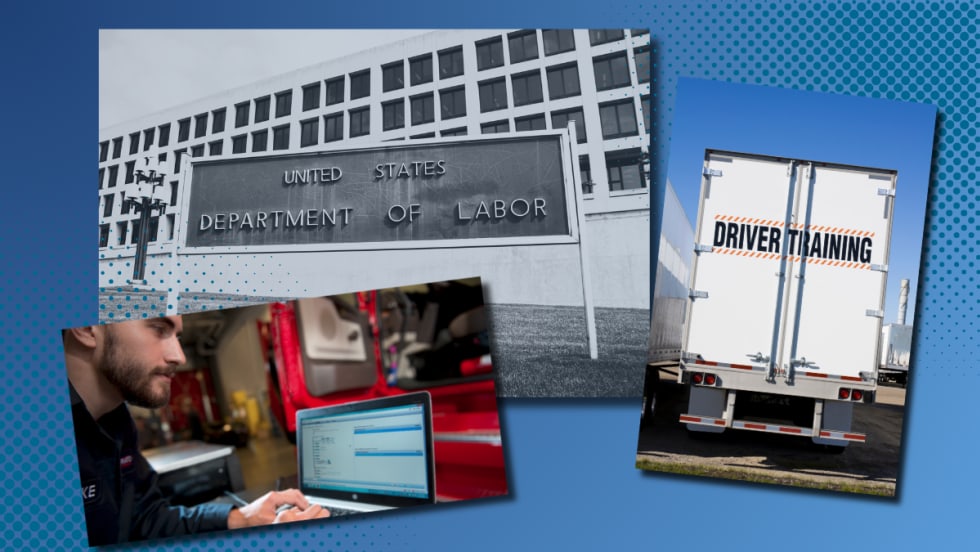
Federal Proposal Would Allow Pell Grants for Shorter-Term Job Training
The Department of Labor plans to expand Pell Grant eligibility to some shorter workforce training programs, a move the American Trucking Associations said will help strengthen commercial driver training schools and diesel technician training programs.
Read More →
Owner-Operator Model Gets Boost as DOL Proposes 2024 Independent Contractor Definition Reversal
For an industry that has watched this issue go back and forth for years, the independent contractor proposal marks the latest swing in the regulatory pendulum.
Read More →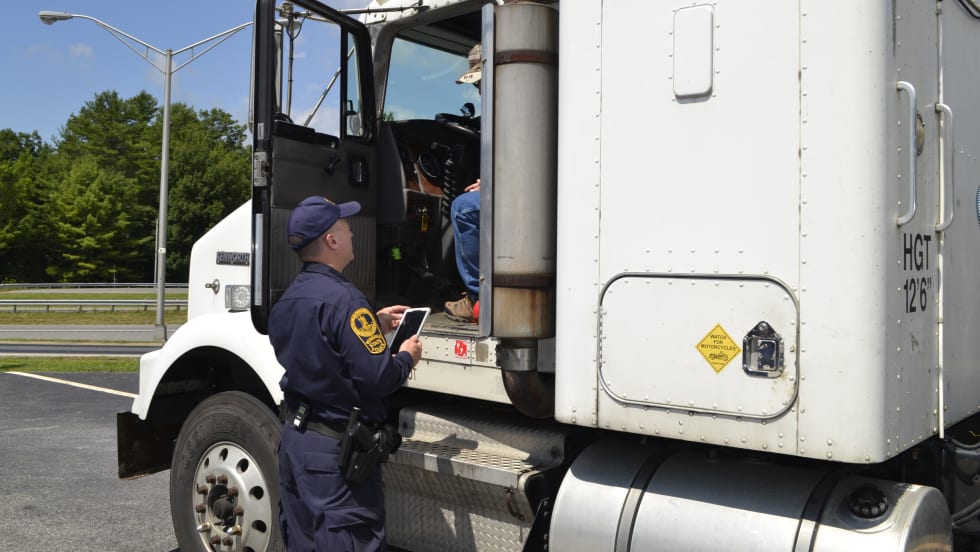
FMCSA Reinstates Field Warrior ELD to Registered Device List
One electronic logging device has been reinstated to the FMCSA's list of registered ELDs.
Read More →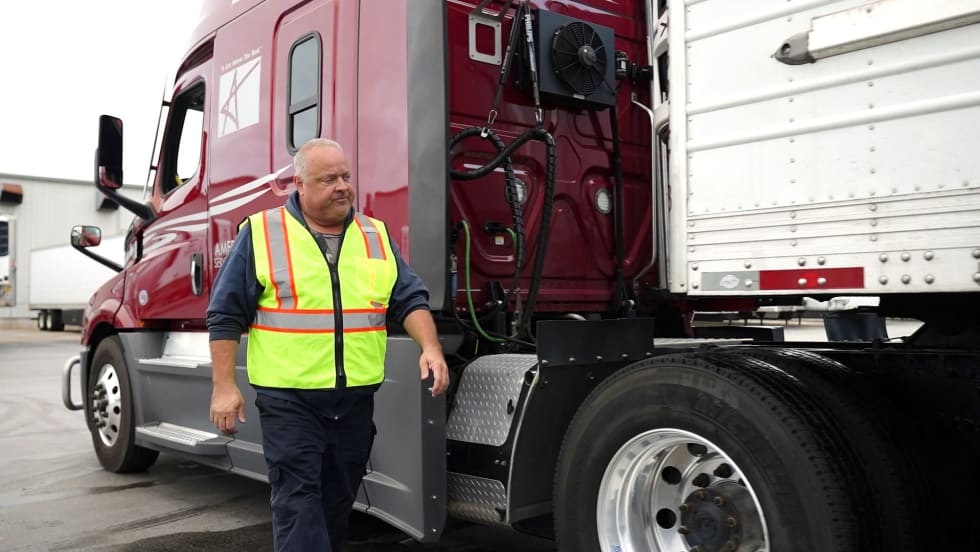
How One Company is Using Smart Suspension Technology to Reduce Driver Injuries and Improve Retention
America’s Service Line adopted Link’s SmartValve and ROI Cabmate systems to address whole-body vibration, repetitive strain, and driver turnover. The trucking fleet is already seeing measurable results.
Read More →
CarriersEdge Announces 2026 Best Fleets to Drive For
The 18th annual contest recognizing the best workplaces for truck drivers sees changes to Top 20, Hall of Fame
Read More →
FMCSA Targets 550+ ‘Sham’ CDL Schools in Nationwide Sting Operation
The Federal Motor Carrier Safety Administration issued more than 550 notices of proposed removal to commercial driver training providers following a five-day nationwide enforcement sweep. Investigators cited unqualified instructors, improper training vehicles, and failure to meet federal and state requirements.
Read More →