




Overall freight expenditures have continued to decline, according to Patrick Casey, vice president, fleet management at TTX, a privately owned rail car pooling company.
 MENU
MENU SEARCH
While a lot of rail freight is not growing, rail intermodal is growing according to an analyst at ACT Research.
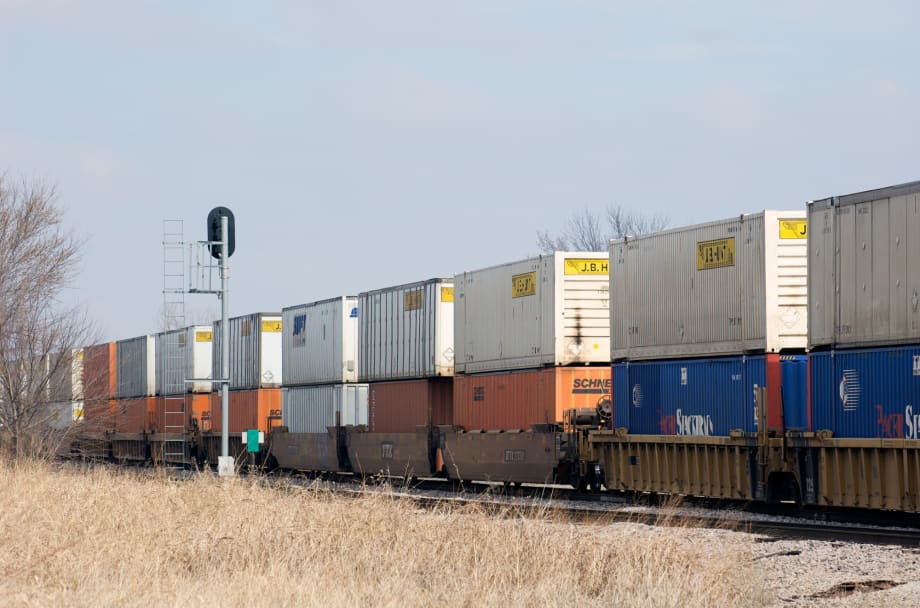
Photo: BNSF
Overall freight expenditures have continued to decline, according to Patrick Casey, vice president, fleet management at TTX, a privately owned rail car pooling company.
Speaking at a recent ACT Research seminar, he said that exports and rail carload were again among the weakest sectors in the U.S. freight industry. “The spread between expenditures and shipments has tightened significantly, suggesting lower prices.”
While a lot of rail freight is not growing, Casey indicated that rail intermodal is growing and is doing so faster than trucking for hauls of 500 miles or more. He explained that intermodal is very dependent on macroeconomic conditions and said one of the primary drivers of intermodal use is container imports. “Close to half of container imports and exports move by rail.”
Conditions at ports have an impact on intermodal and Casey believes “improved port conditions could allow 2% to 3% more container import growth based on rising demand.”
The chosen port is a key factor in rail demand. Products coming in to West Coast ports are more likely to be shipped via rail, but Casey sees rail car’s share of freight growing out of East Coast ports. However, he said economics sill favor west coast port use for freight to reach many non-east coast destinations.
Casey believes the biggest opportunity for rail is in domestic intermodal. This will be driven by rail’s investment in enhanced capacity and service, increased focus on shorter-haul markets, regulatory and financial pressures on trucking, the driver shortage and import-related transloading activity.
Regarding the use of twin 33 foot trailers, Casey that TTX’s modeling suggest that making those trailers legal would mean that more than two million intermodal loads and more than 1.8 million rail carloads could be diverted to trucks.

ACT Research data shows volumes hitting a four-year high and supply-demand balance strengthening, but higher oil prices are undercutting tariff relief and tempering optimism.
Read More →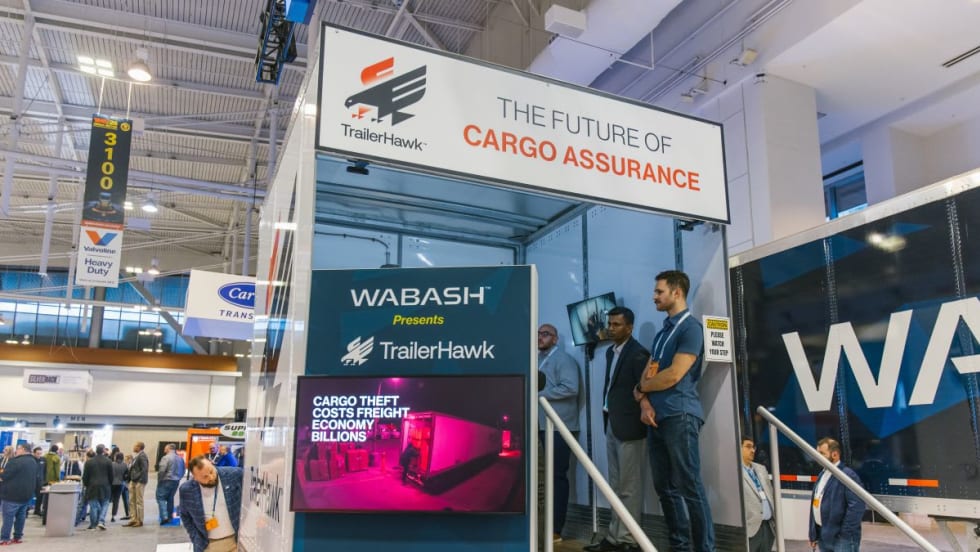
The patent-pending cargo solution integrates a digitally connected cargo door and an intelligent locking system with the TrailerHawk.AI technology platform.
Read More →
The impact of the Iran conflict extends beyond fuel costs, bringing more fraud and cybersecurity risks to the trucking industry.
Read More →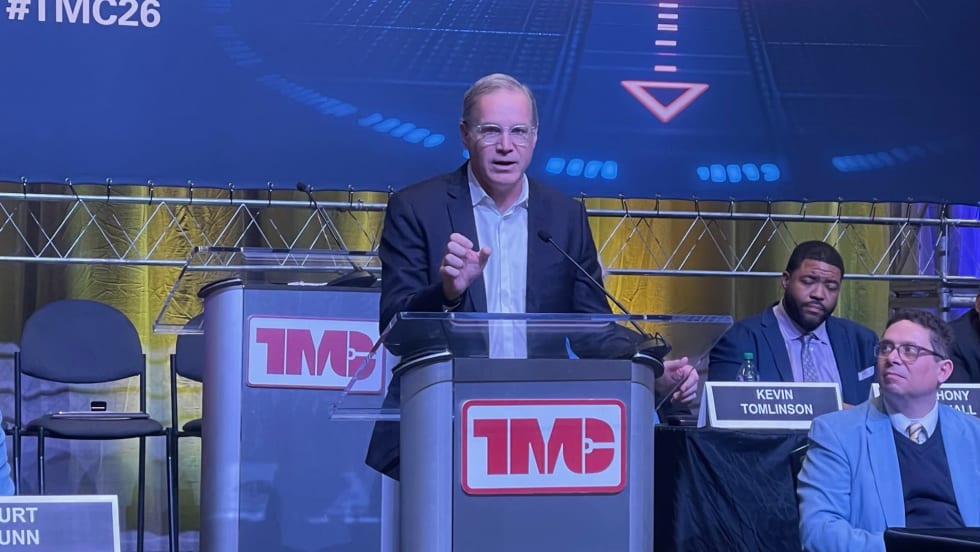
Speaking at the TMC Annual Meeting in Nashville, ATA President Chris Spear said trucking faces mounting pressure from rising fuel prices, geopolitical instability, and uncertainty around trade policy.
Read More →
More than 100,000 new trucking companies enter the industry each year, but regulators manage to audit only a fraction of them. That churn creates opportunities for inexperienced startups — and for “chameleon carriers” that shut down after safety violations and reappear under new identities. Read more from Deborah Lockridge in this commentary.
Read More →
HDTX is an intimate event that connects heavy-duty trucking fleet managers with industry suppliers through small-group discussions, educational sessions, and structured one-on-one meetings.
Read More →
New DAT One feature shows top-paying loads directly on an iPhone’s home screen, helping carriers react faster to spot-market opportunities.
Read More →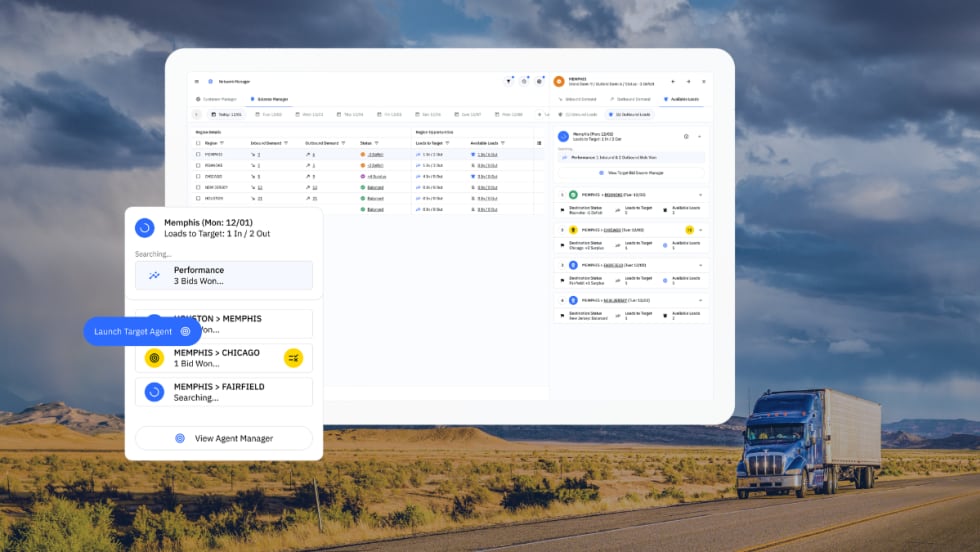
Optimal Dynamics says its new Scale platform uses AI agents and optimization to help carriers find and secure freight that improves network balance and profitability.
Read More →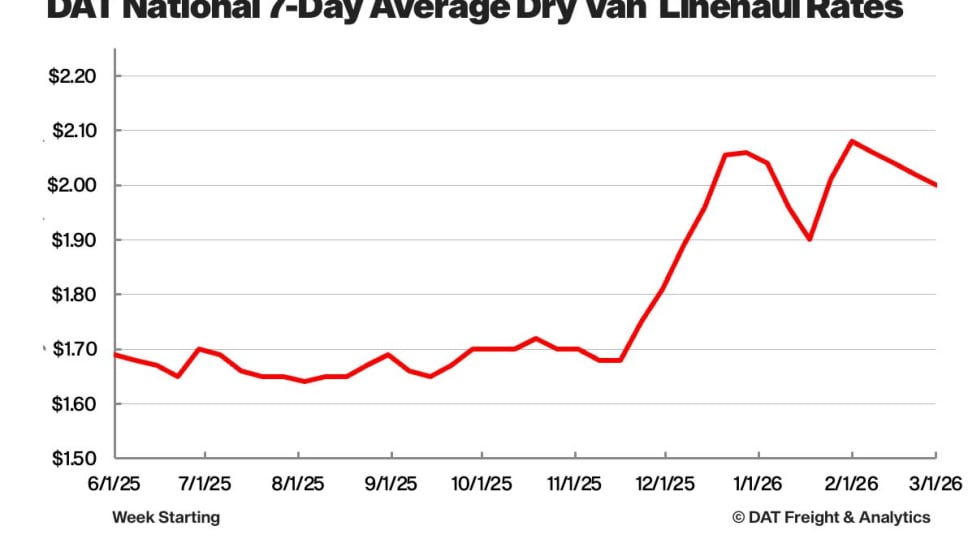
DAT Freight & Analytics data shows tightening flatbed capacity, easing produce markets, and softening van and reefer rates.
Read More →
NACFE's Run on Less - Messy Middle project demonstrates the power of data in helping to guide the future of alternative fuels and powertrains for heavy-duty trucks.
Read More →