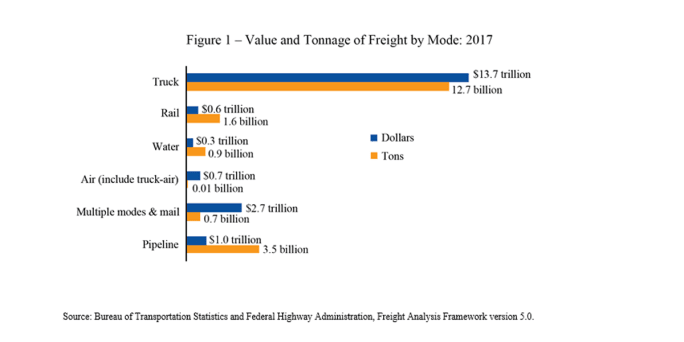
Trucks remain the most commonly used mode to move freight, transporting 64% of the weight (12.7 billion tons) and 72% of the value ($13.7 trillion) in 2017.
Graph: USDOT
Goods moved on America’s transportation network rose in value and tonnage from 2012 to 2017, and trucks remain the most commonly used mode to move freight, according to the latest version of the Freight Analysis Framework from the Federal Highway Administration and Bureau of Transportation Statistics.
Ad Loading...
The newly updated estimates show that nearly 20 billion tons of goods worth almost $19 trillion were moved on the U.S. transportation network in 2017. The annual numbers mean that on average, 54 million tons of goods valued at $52 billion a day moved throughout the country on all transportation modes.
Ad Loading...
In comparison, five years earlier in 2012, nearly 17 billion tons of goods worth about $18 trillion were moved, which equates to 46 million tons of goods valued at more than $48 billion per day.
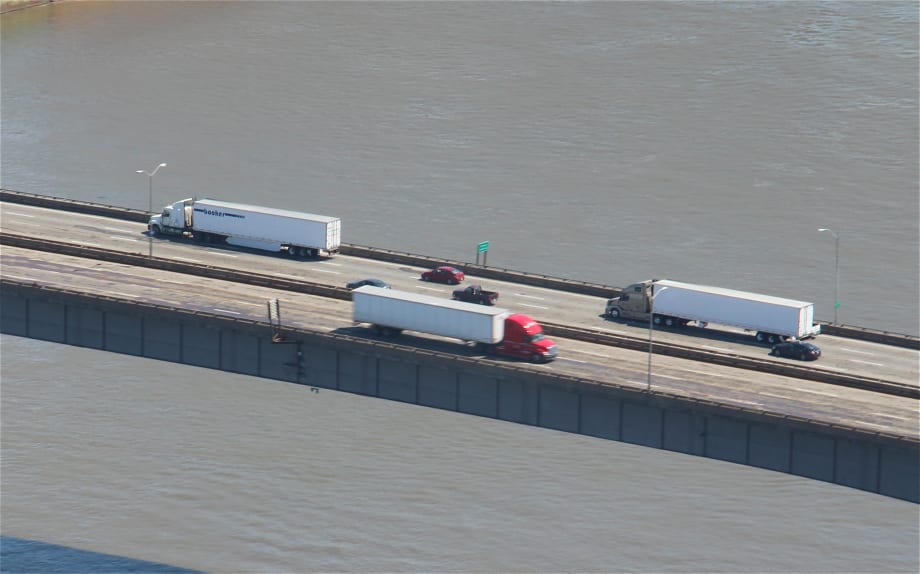
Trucks remain the most commonly used mode to move freight, transporting 64% of the weight (12.7 billion tons) and 72% of the value ($13.7 trillion) in 2017.
The busiest freight corridors are located between major cities. For example, the total value of bi-directional freight flows transported between the Los Angeles and San Francisco metropolitan areas, the busiest corridor, reached $200 billion in 2017 or 1.1% of the national total.
FAF benchmarks are released at five-year intervals. Starting with data from BTS’ Commodity Flow Survey and international trade data from the Census Bureau, it incorporates data from agriculture, extraction, utility, construction, service and other sectors. FAF numbers represent total freight flows within the U.S., including domestic movement of imports and exports.
The 2017 data will be used as a benchmark for the development of additional data releases, including: annual freight flows estimates for 2018, 2019 and 2020; long-range forecasts through 2050; projections of truck flows on the highway network for 2017 and 2050; and a historical time series.
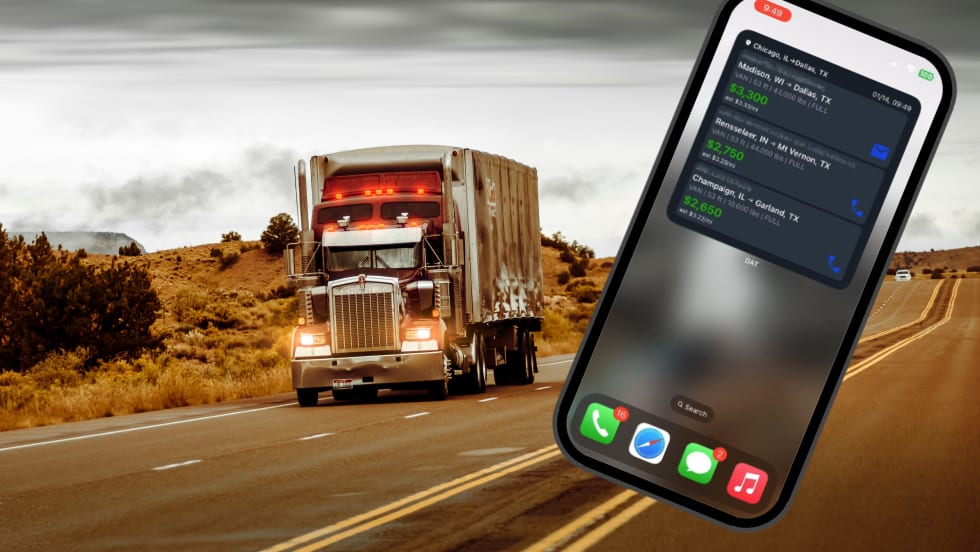
ACT Research data shows volumes hitting a four-year high and supply-demand balance strengthening, but higher oil prices are undercutting tariff relief and tempering optimism.
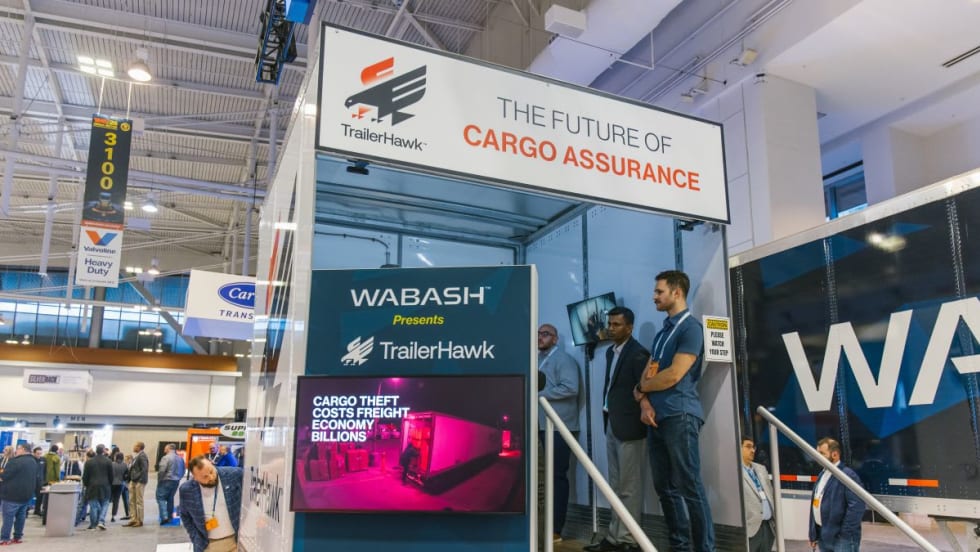
The patent-pending cargo solution integrates a digitally connected cargo door and an intelligent locking system with the TrailerHawk.AI technology platform.
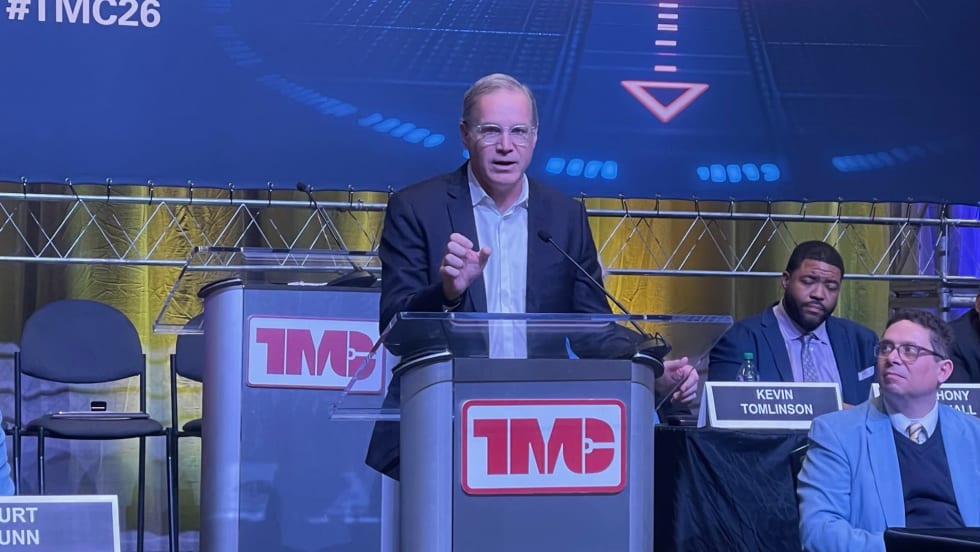
Speaking at the TMC Annual Meeting in Nashville, ATA President Chris Spear said trucking faces mounting pressure from rising fuel prices, geopolitical instability, and uncertainty around trade policy.
More than 100,000 new trucking companies enter the industry each year, but regulators manage to audit only a fraction of them. That churn creates opportunities for inexperienced startups — and for “chameleon carriers” that shut down after safety violations and reappear under new identities. Read more from Deborah Lockridge in this commentary.
HDTX is an intimate event that connects heavy-duty trucking fleet managers with industry suppliers through small-group discussions, educational sessions, and structured one-on-one meetings.
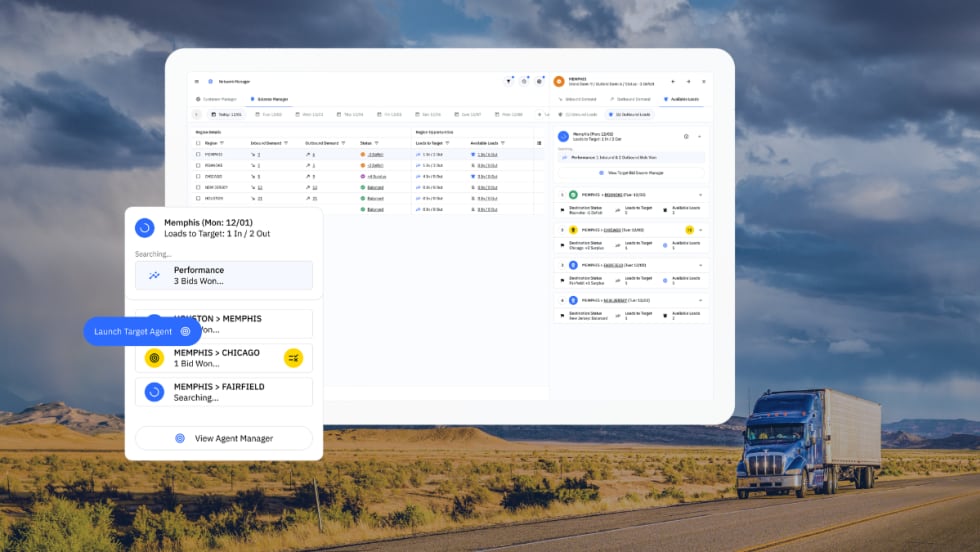
Optimal Dynamics says its new Scale platform uses AI agents and optimization to help carriers find and secure freight that improves network balance and profitability.
NACFE's Run on Less - Messy Middle project demonstrates the power of data in helping to guide the future of alternative fuels and powertrains for heavy-duty trucks.