



Schneider National Bulk Carriers recently launched a bulk intermodal transportation service using a new 40-foot tank container that can be used on the rail and over the road to haul liquid bulk chemicals across the United States.
 MENU
MENU SEARCH
Schneider National Bulk Carriers recently launched a bulk intermodal transportation service using a new 40-foot tank container that can be used on the rail and over the road to haul liquid bulk chemicals across the United States.
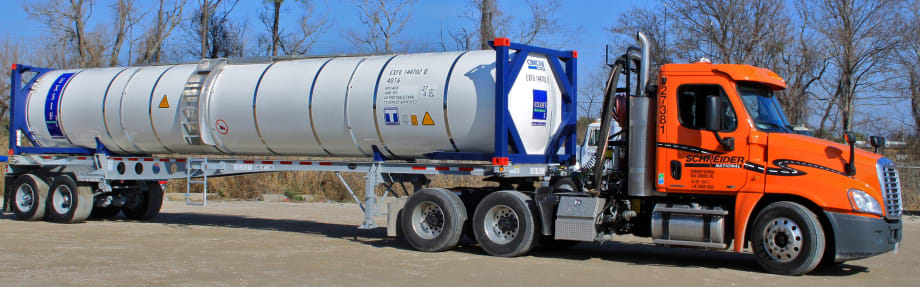
Schneider worked with partners to develop a 40-foot bulk intermodal container capable of hauling 5,800 gallons.
Schneider National Bulk Carriers recently launched a bulk intermodal transportation service using a new 40-foot tank container that can be used on the rail and over the road to haul liquid bulk chemicals across the United States.
Future plans call for expansion into Canada and Mexico.
Schneider gained approval from the American Railway Association and railroads for this service offering. It worked with key providers, EXSIF Worldwide, International Transport Equipment and TransWorld Equipment to design the bulk intermodal service solution.
The result of Schneider’s investment is a 40-foot container capable of hauling 5,800 gallons. Schneider currently has a fleet of nearly 100 of these unique containers and expects that number to double by the end of 2013.
When loaded onto a chassis (which is then pulled by a lightweight day cab to the final destination), the unit stands 11 feet, 5 inches high and can haul close to 48,000 pounds. This allows customers to load 5% to 6% more product than in a traditional over-the-road truckload move.
Liquids and chemicals have been hauled across North America by both truck and train for years; however, each mode required its own special container to move the product. This resulted in supply chain inefficiencies as product needed to be pumped into another container for last-mile transport.
The new container used in Schneider’s bulk intermodal service enables these products to be transported across both modes using the same container.
Though Schneider is currently approved to haul only nonhazardous chemicals right now, the company expects to gain hazmat certification from the railroads in 2013.

ACT Research data shows volumes hitting a four-year high and supply-demand balance strengthening, but higher oil prices are undercutting tariff relief and tempering optimism.
Read More →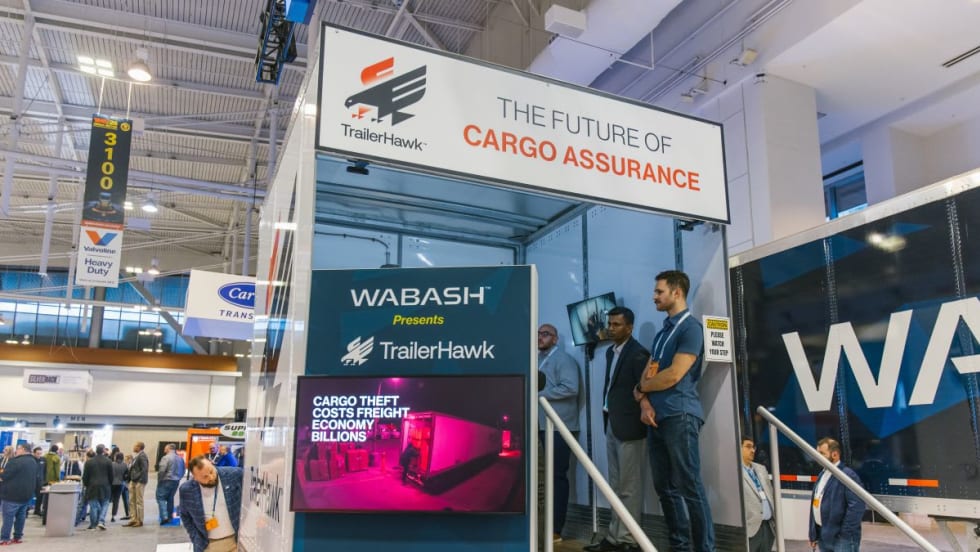
The patent-pending cargo solution integrates a digitally connected cargo door and an intelligent locking system with the TrailerHawk.AI technology platform.
Read More →
The impact of the Iran conflict extends beyond fuel costs, bringing more fraud and cybersecurity risks to the trucking industry.
Read More →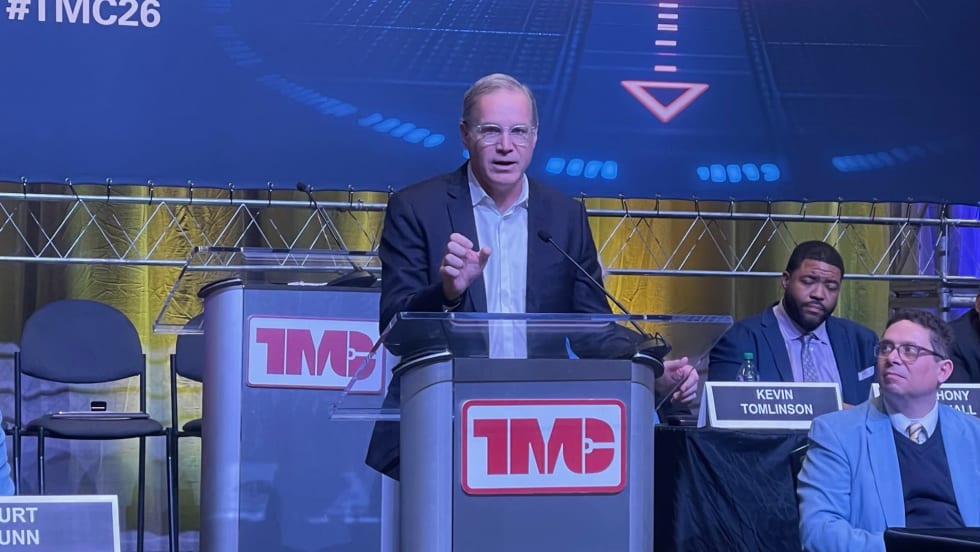
Speaking at the TMC Annual Meeting in Nashville, ATA President Chris Spear said trucking faces mounting pressure from rising fuel prices, geopolitical instability, and uncertainty around trade policy.
Read More →
More than 100,000 new trucking companies enter the industry each year, but regulators manage to audit only a fraction of them. That churn creates opportunities for inexperienced startups — and for “chameleon carriers” that shut down after safety violations and reappear under new identities. Read more from Deborah Lockridge in this commentary.
Read More →
HDTX is an intimate event that connects heavy-duty trucking fleet managers with industry suppliers through small-group discussions, educational sessions, and structured one-on-one meetings.
Read More →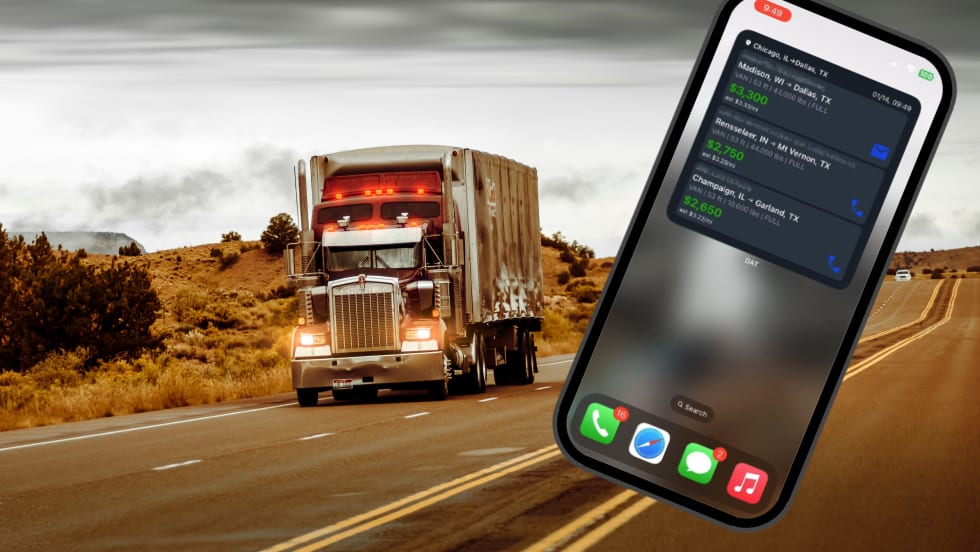
New DAT One feature shows top-paying loads directly on an iPhone’s home screen, helping carriers react faster to spot-market opportunities.
Read More →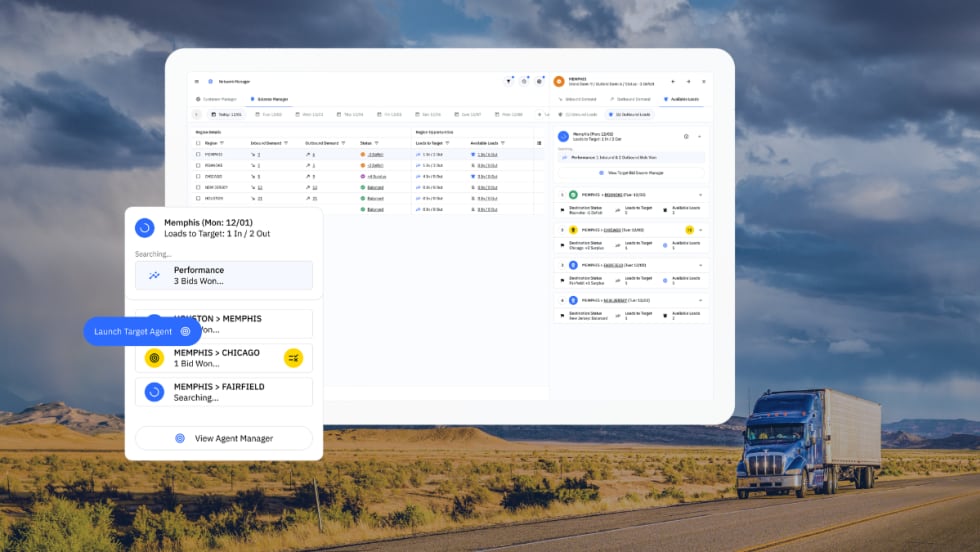
Optimal Dynamics says its new Scale platform uses AI agents and optimization to help carriers find and secure freight that improves network balance and profitability.
Read More →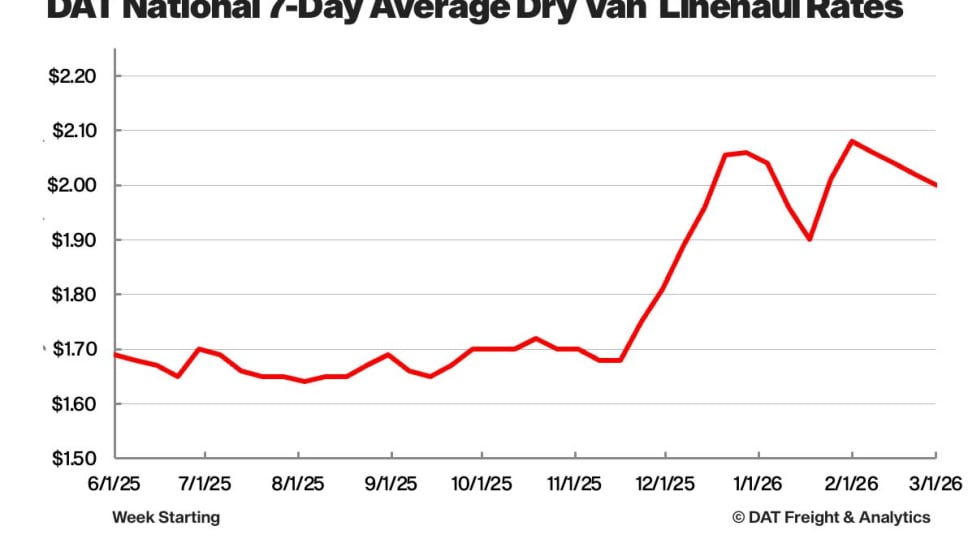
DAT Freight & Analytics data shows tightening flatbed capacity, easing produce markets, and softening van and reefer rates.
Read More →
NACFE's Run on Less - Messy Middle project demonstrates the power of data in helping to guide the future of alternative fuels and powertrains for heavy-duty trucks.
Read More →