



Sen. Cory Gardner (R-Colo.) introduced Senate Concurrent Resolution 40 (S.Con.Res.40), expressing opposition toward increasing the 12% Federal Excise Tax (FET) on heavy trucks and truck bodies, according to the NTEA.
 MENU
MENU SEARCH
Sen. Cory Gardner introduced Senate Concurrent Resolution 40, expressing opposition toward increasing the 12% Federal Excise Tax (FET) on heavy trucks and truck bodies.

Sen. Cory Gardner
Sen. Cory Gardner (R-Colo.) introduced Senate Concurrent Resolution 40 (S.Con.Res.40), expressing opposition toward increasing the 12% Federal Excise Tax (FET) on heavy trucks and truck bodies, according to the NTEA.
In 2015, House Representatives Reid Ribble (R-Wis.) and Tim Walz (D-Minn.) introduced companion legislation, H.Con.Res.33. Although concurrent resolutions do not have the force of law, they can make a strong statement.
“NTEA commends the Senate on the introduction of this legislation,” said Steve Carey, NTEA executive director. “FET is a complicated tax which deters the purchase of the cleanest, safest, and most fuel-efficient trucks. It is a volatile, undependable funding mechanism for the U.S. highway system, and preventing further increases to this tax is critical.”
FET is imposed on the first retail sale of heavy-duty trucks, trailers, semitrailer chassis and bodies, and tractors — trucks with a gross vehicle weight rating (GVWR) of more than 33,000 pounds; tractors with a GVWR of more than 19,500 pounds and gross combined weight of 33,000 pounds or less when paired with a trailer or semitrailer; and trailers with a GVWR of more than 26,000 pounds. The funds derived from it are deposited in the Highway Trust Fund.
The 12% FET, the highest federal ad valorem excise tax (based on the value of real estate or personal property), was first levied to help finance World War I. S.Con.Res.40 and H.Con.Res.33 help to educate members of Congress about FET-related problems and explain why it should not be increased.

ACT Research data shows volumes hitting a four-year high and supply-demand balance strengthening, but higher oil prices are undercutting tariff relief and tempering optimism.
Read More →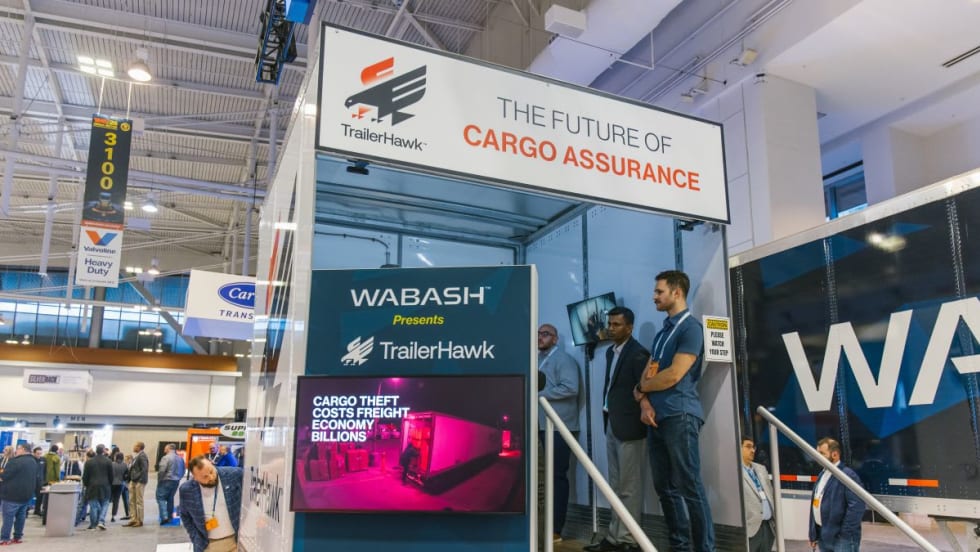
The patent-pending cargo solution integrates a digitally connected cargo door and an intelligent locking system with the TrailerHawk.AI technology platform.
Read More →
The impact of the Iran conflict extends beyond fuel costs, bringing more fraud and cybersecurity risks to the trucking industry.
Read More →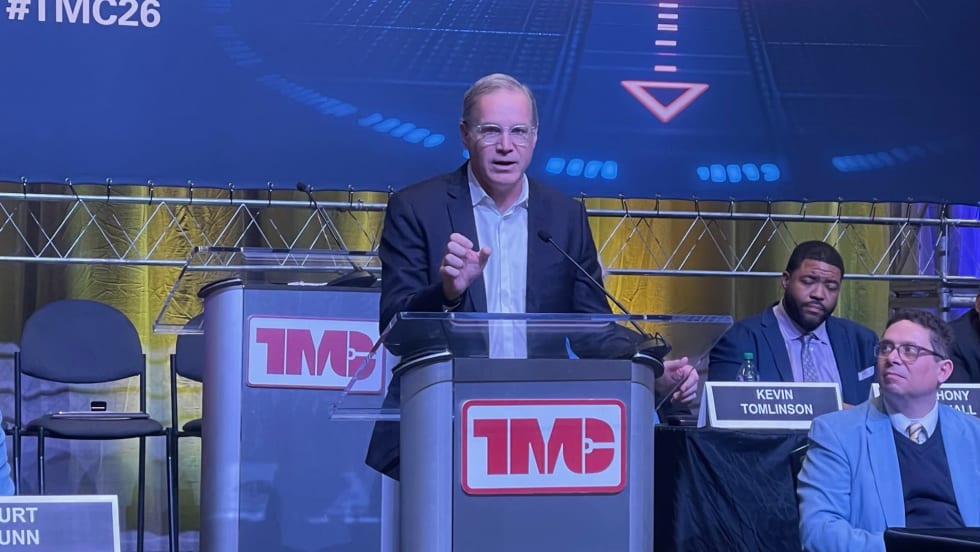
Speaking at the TMC Annual Meeting in Nashville, ATA President Chris Spear said trucking faces mounting pressure from rising fuel prices, geopolitical instability, and uncertainty around trade policy.
Read More →
More than 100,000 new trucking companies enter the industry each year, but regulators manage to audit only a fraction of them. That churn creates opportunities for inexperienced startups — and for “chameleon carriers” that shut down after safety violations and reappear under new identities. Read more from Deborah Lockridge in this commentary.
Read More →
HDTX is an intimate event that connects heavy-duty trucking fleet managers with industry suppliers through small-group discussions, educational sessions, and structured one-on-one meetings.
Read More →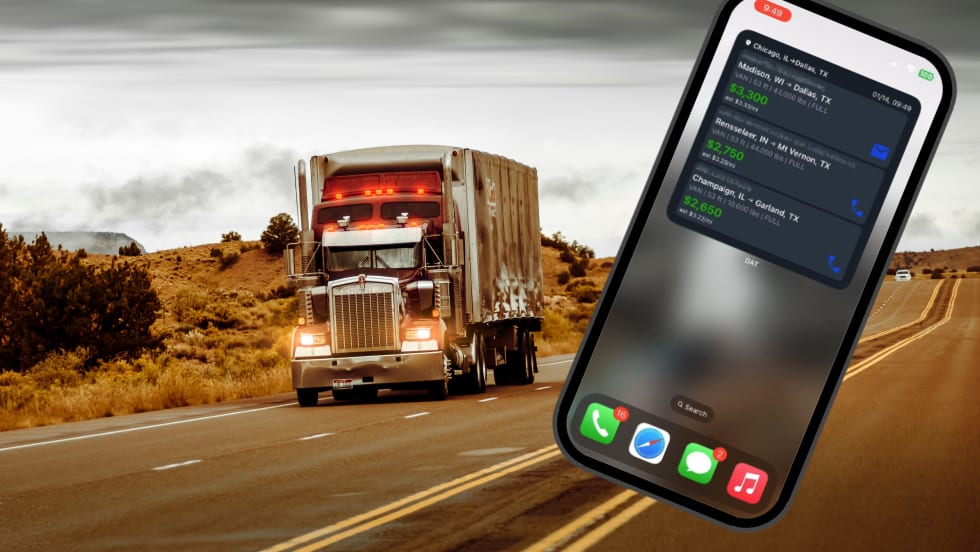
New DAT One feature shows top-paying loads directly on an iPhone’s home screen, helping carriers react faster to spot-market opportunities.
Read More →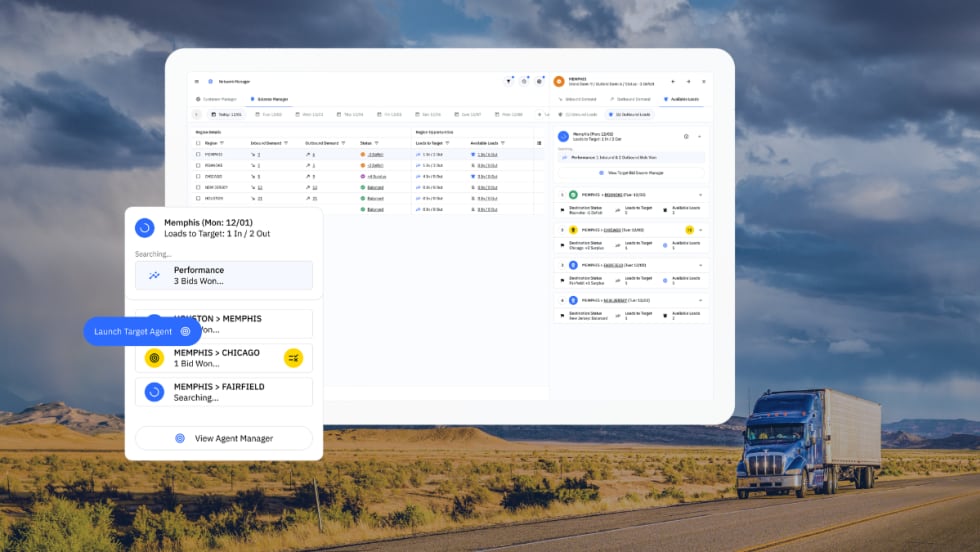
Optimal Dynamics says its new Scale platform uses AI agents and optimization to help carriers find and secure freight that improves network balance and profitability.
Read More →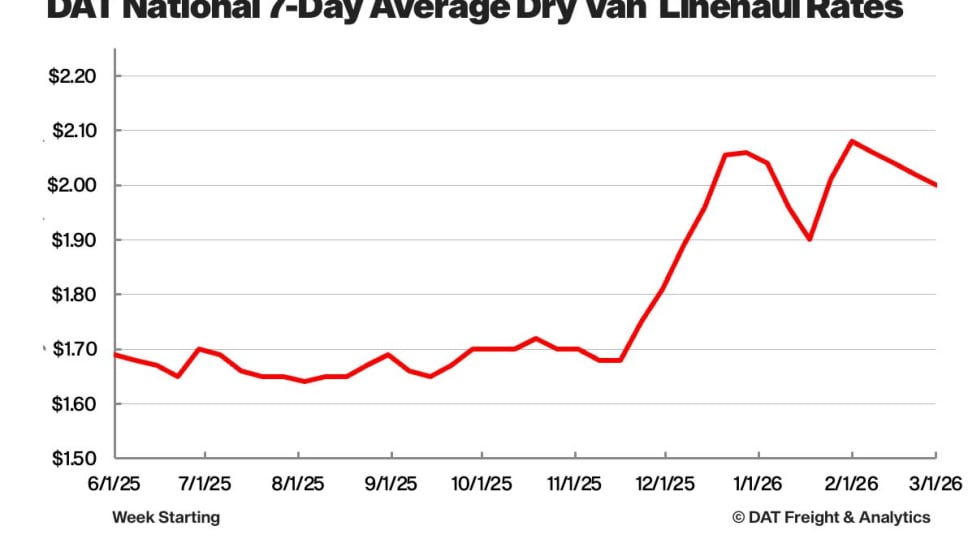
DAT Freight & Analytics data shows tightening flatbed capacity, easing produce markets, and softening van and reefer rates.
Read More →
NACFE's Run on Less - Messy Middle project demonstrates the power of data in helping to guide the future of alternative fuels and powertrains for heavy-duty trucks.
Read More →