The Senate has passed a transportation funding bill that includes a fix of earlier legislative language that muddied what might happen to the Hour of Service rule’s restart provisions if a mandated study cannot show that the restart changes benefitted drivers.
David Cullen・[Former] Business/Washington Contributing Editor
The Senate has passed a transportation funding bill that includes a fix of earlier legislative language that muddied what might happen to the Hour of Service rule’s restart provisions if a mandated study cannot show that the restart changes benefitted drivers.
Ad Loading...
The measure also includes a firm deadline for issuing a federal speed-limiter rule for Class 7-8 trucks.
Ad Loading...
The Senate’s THUD bill was approved by a wide bipartisan margin of 89-8 on May 19 as part of a much larger legislative package.
Now, the HOS ball is in the House’s court. The House Appropriations Committee is expected to mark up its THUD version next week. At that point, language to fix the HOS glitch put forward earlier this week by a subcommittee will be on the table.
The Senate bill would clarify how the results of a Department of Transportation study--- mandate by an earlier bill— will eventually impact HOS restart provisions. The measure includes language that aims to prevent drivers from abusing the restart rule by capping the amount of time they can spend behind the wheel or on duty at 73 hours per week.
By contrast, the HOS measure the House committee forwarded would simply roll back the HOS clock. It calls for removing altogether the 2011 restart provisions, which became effective on July 1, 2013 but were suspended by Congress in late 2014.
Since that rule suspension, trucking has been operating under the pre-2011 HOS rule that permits unlimited use of the restart provision and doesn’t require drivers to take two periods off between 1 a.m. and 5 a.m. during their 34-hour restart.
Ad Loading...
As for speed-limiters, the Senate measure directs the Department of Transportation to issue a final rule requiring speed-limiting devices on Class 7 and 8 trucks “not later than 6 months” after the THUD bill is enacted.
The $56.5 billion bill includes $16.9 billion in discretionary appropriations for the Department of Transportation and directs that $44 billion from the Highway Trust Fund be spent on the Federal-aid Highways Program, consistent with provisions of the FAST Act highway bill passed late last year.
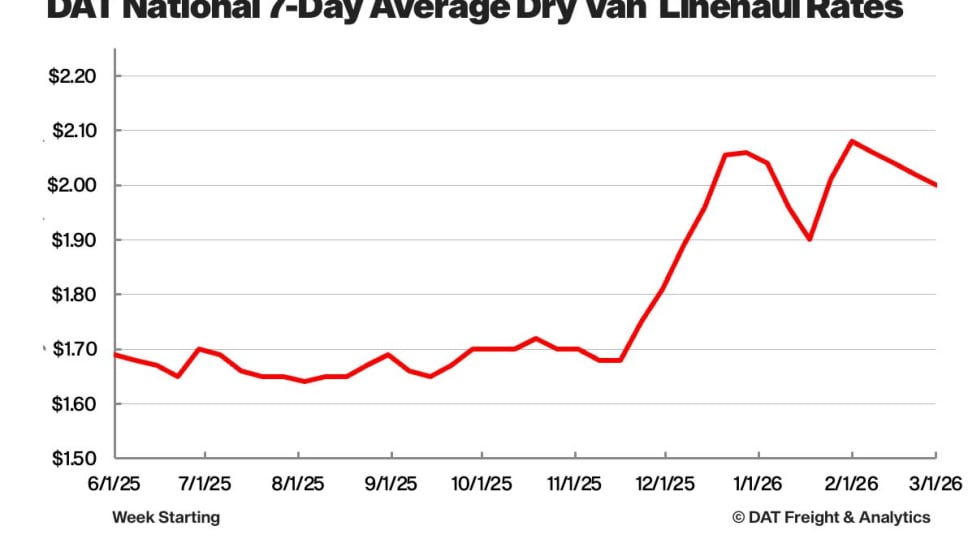
ACT Research data shows volumes hitting a four-year high and supply-demand balance strengthening, but higher oil prices are undercutting tariff relief and tempering optimism.
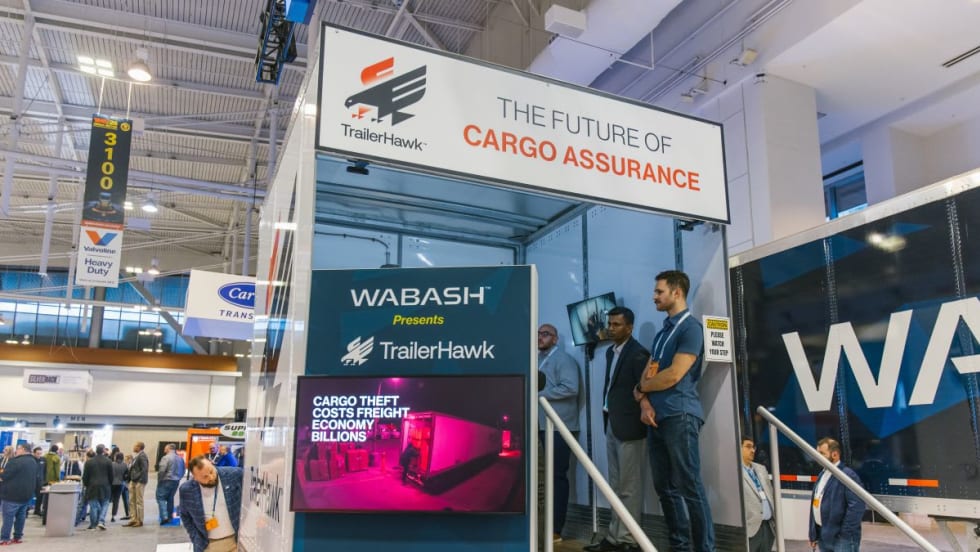
The patent-pending cargo solution integrates a digitally connected cargo door and an intelligent locking system with the TrailerHawk.AI technology platform.
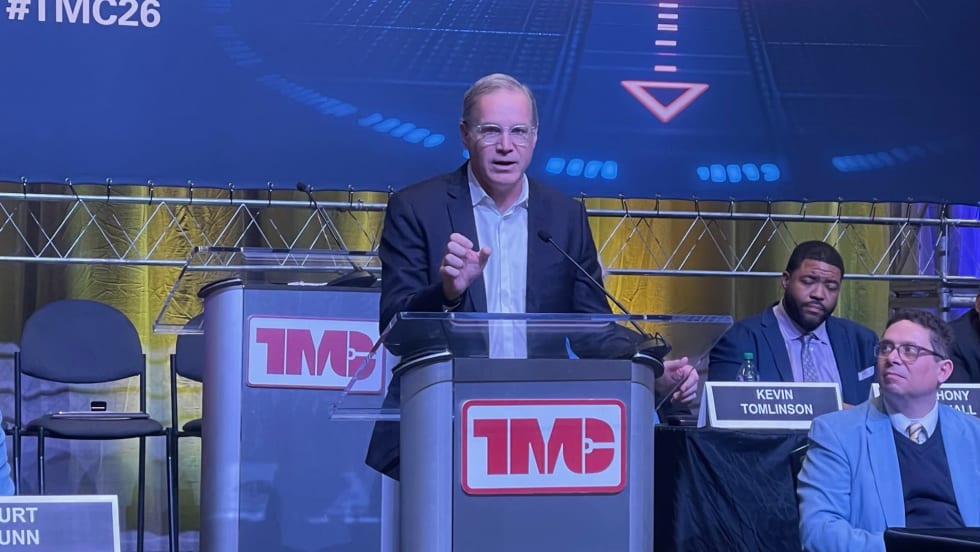
Speaking at the TMC Annual Meeting in Nashville, ATA President Chris Spear said trucking faces mounting pressure from rising fuel prices, geopolitical instability, and uncertainty around trade policy.
More than 100,000 new trucking companies enter the industry each year, but regulators manage to audit only a fraction of them. That churn creates opportunities for inexperienced startups — and for “chameleon carriers” that shut down after safety violations and reappear under new identities. Read more from Deborah Lockridge in this commentary.
HDTX is an intimate event that connects heavy-duty trucking fleet managers with industry suppliers through small-group discussions, educational sessions, and structured one-on-one meetings.
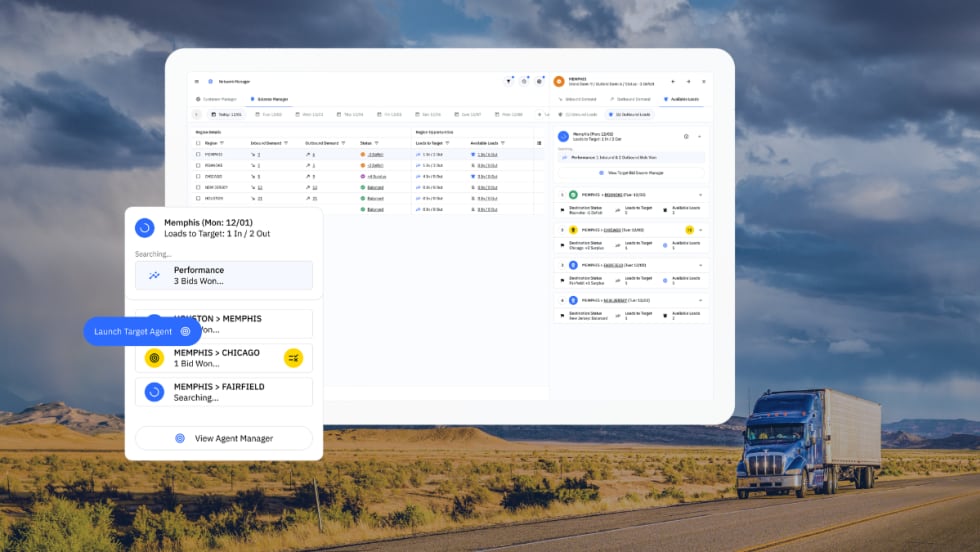
Optimal Dynamics says its new Scale platform uses AI agents and optimization to help carriers find and secure freight that improves network balance and profitability.
NACFE's Run on Less - Messy Middle project demonstrates the power of data in helping to guide the future of alternative fuels and powertrains for heavy-duty trucks.