



A bipartisan group of Senators has agreed on the outline of bill to reauthorize the federal highway program.
 MENU
MENU SEARCH
A bipartisan group of Senators has agreed on the outline of bill to reauthorize the federal highway program. The terms of the deal cover policy principles such as a long-term bill and maintaining existing programs but they do not cover the key question of how to pay for the program.

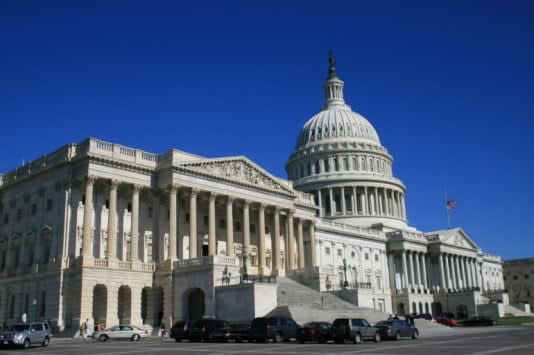
A bipartisan group of Senators has agreed on the outline of bill to reauthorize the federal highway program.
The terms of the deal cover policy principles such as a long-term bill and maintaining existing programs but they do not cover the key question of how to pay for the program.
Sen. Barbara Boxer, D-Calif., chair of the Environment and Public Works Committee, announced the deal on Thursday and said the committee will act on the bill when it returns from recess the last week of April.
Joining Boxer in the announcement were Sens. David Vitter, R-La., the ranking member of the committee, Thomas Carper, D-Del., and John Barrasso, R-Wyoming.
Boxer spelled out the principles included in the deal.
The bill should cover a longer term than the current two-year program – up to six years, reflecting the strong desire of highway users and planners for an extended, predictable program.
It should maintain current formulas for core programs.
It should promote fiscal responsibility by keeping current levels of funding, plus inflation.
It should expand opportunities for rural areas.
It should continue efforts to leverage local resources for projects.
It should require better information sharing on federal grants.
Congress is under pressure to act quickly. The Highway Trust Fund, the source of federal funding for highways, is going to run into the red within the next six months, perhaps as soon as August.
“The reason the four of us are standing here is to send a strong signal to this country that we, as leaders of this Committee, have worked across party lines to act before the Highway Trust Fund cannot pay its bills,” Boxer said.
The Environment and Public Works Committee is responsible for the main policy content of the bill, but other key areas must be handled by other committees.
The all-important matter of funding is the jurisdiction of the Finance Committee.
“(Finance) has to figure out how to pay for this six-year bill,” said Vitter. “EPW has an easier role.”
Also involved are the Commerce Committee, which writes the safety title of the bill, and the Banking Committee, which is responsible for transit.
On the House side, the Transportation and Infrastructure Committee is holding hearings in preparation for drafting a bill by summer.
ACT Research data shows volumes hitting a four-year high and supply-demand balance strengthening, but higher oil prices are undercutting tariff relief and tempering optimism.
Read More →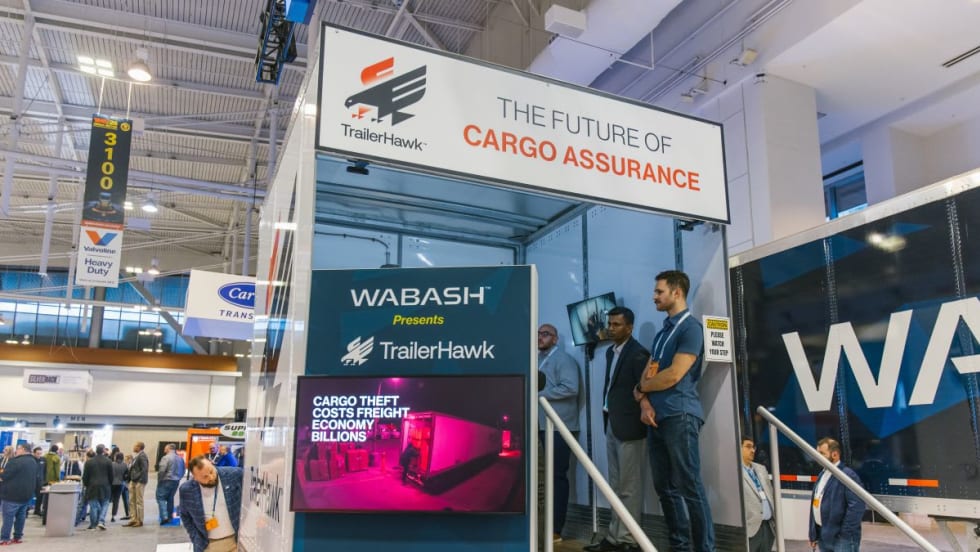
The patent-pending cargo solution integrates a digitally connected cargo door and an intelligent locking system with the TrailerHawk.AI technology platform.
Read More →
The impact of the Iran conflict extends beyond fuel costs, bringing more fraud and cybersecurity risks to the trucking industry.
Read More →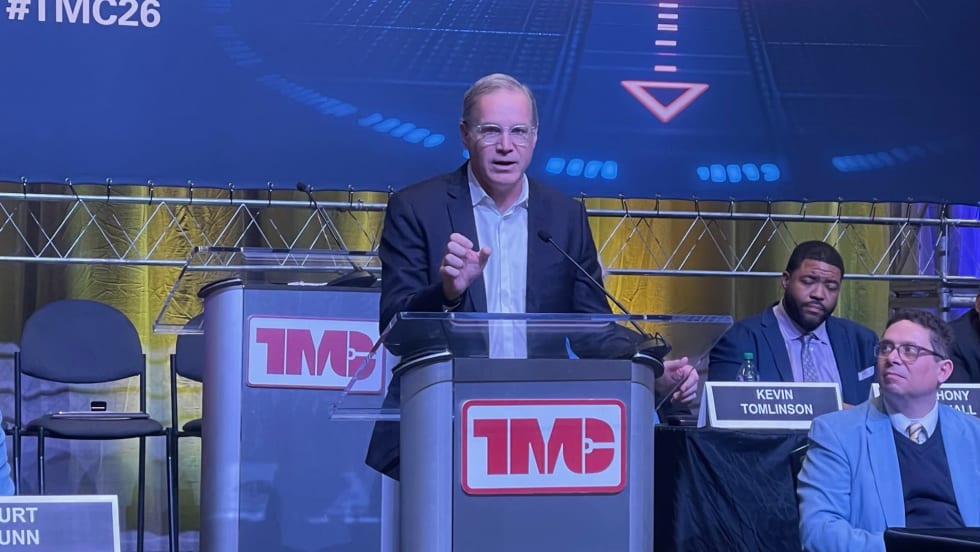
Speaking at the TMC Annual Meeting in Nashville, ATA President Chris Spear said trucking faces mounting pressure from rising fuel prices, geopolitical instability, and uncertainty around trade policy.
Read More →
More than 100,000 new trucking companies enter the industry each year, but regulators manage to audit only a fraction of them. That churn creates opportunities for inexperienced startups — and for “chameleon carriers” that shut down after safety violations and reappear under new identities. Read more from Deborah Lockridge in this commentary.
Read More →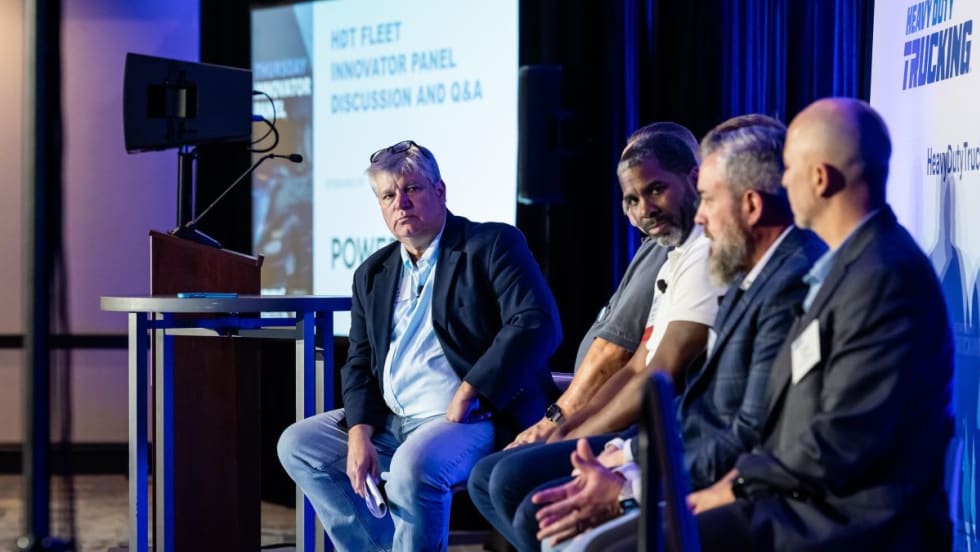
HDTX is an intimate event that connects heavy-duty trucking fleet managers with industry suppliers through small-group discussions, educational sessions, and structured one-on-one meetings.
Read More →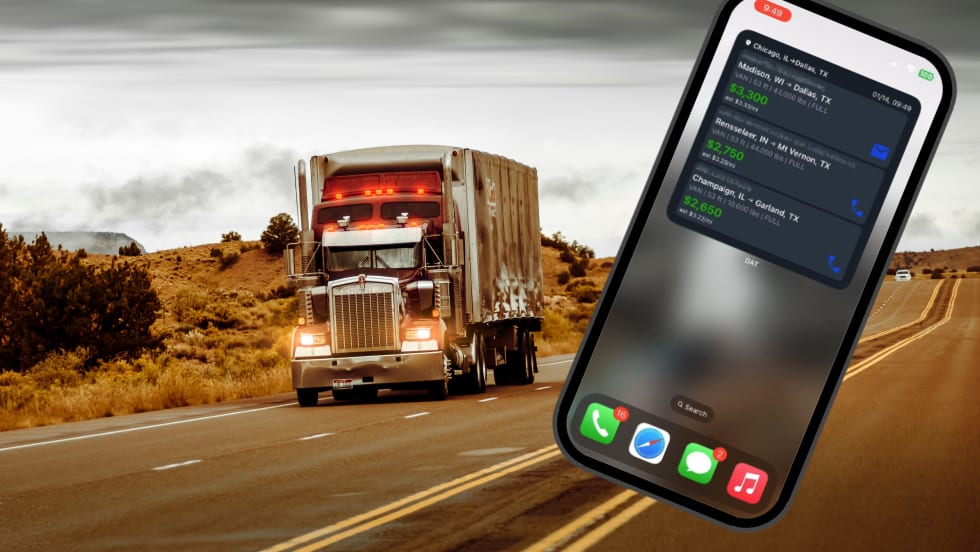
New DAT One feature shows top-paying loads directly on an iPhone’s home screen, helping carriers react faster to spot-market opportunities.
Read More →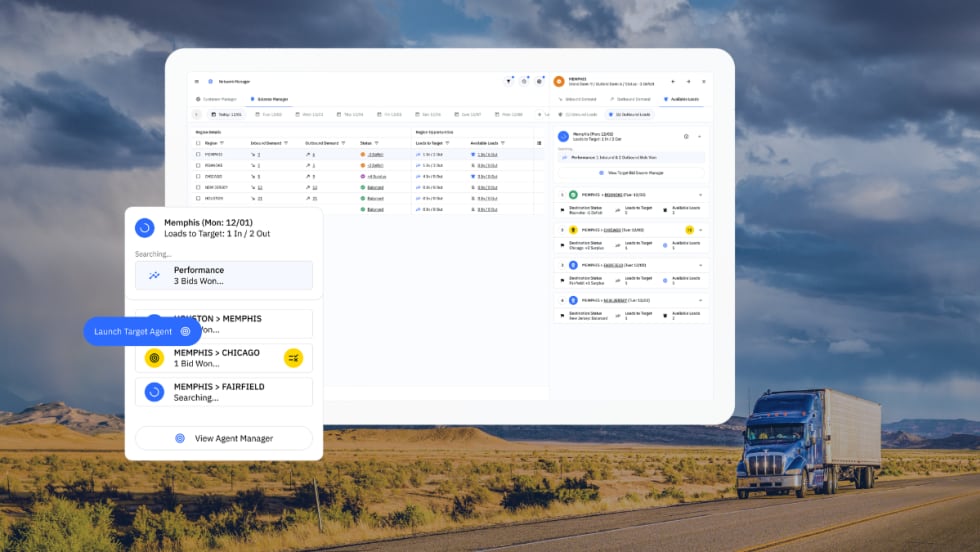
Optimal Dynamics says its new Scale platform uses AI agents and optimization to help carriers find and secure freight that improves network balance and profitability.
Read More →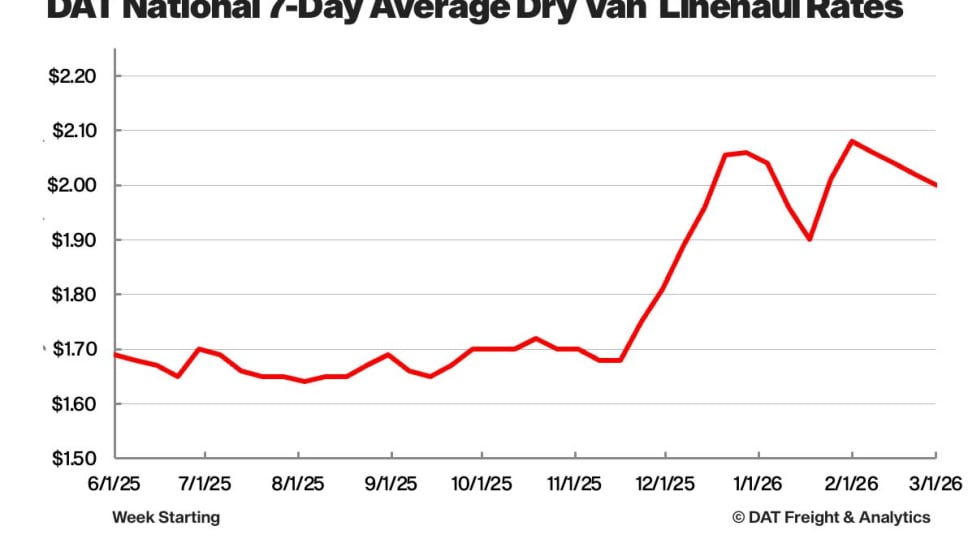
DAT Freight & Analytics data shows tightening flatbed capacity, easing produce markets, and softening van and reefer rates.
Read More →
NACFE's Run on Less - Messy Middle project demonstrates the power of data in helping to guide the future of alternative fuels and powertrains for heavy-duty trucks.
Read More →