



With the House and Senate going to conference on a Water Resources Development bill, the way is clear for transportation committees in both chambers to take up reauthorization of the federal highway program.
 MENU
MENU SEARCH
With the House and Senate going to conference on a Water Resources Development bill, the way is clear for transportation committees in both chambers to take up reauthorization of the federal highway program.

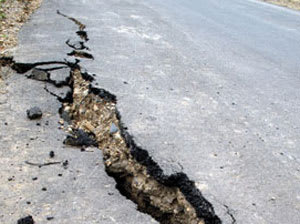
"We will not ignore the funding issue, but I think it’s important that we need to build the case,” said Bill Shuster.
With the House and Senate going to conference on a Water Resources Development bill, the way is clear for transportation committees in both chambers to take up reauthorization of the federal highway program.
The program must be reauthorized by October 2014, and there’s much work to be done.
Rep. Bill Shuster, R-Pa., the chairman of the House Transportation and Infrastructure Committee, recently said his goal is to complete a draft highway bill by next spring or summer.
He wants this to be a bipartisan effort, like the Water Resources Development Act, he said in remarks to a gathering of transportation interests sponsored by the American Highway Users Alliance and Volvo Group.
WRDA, whose final details are being negotiated by conferees from the House and Senate, cleared the House by 417-3 and the Senate by 83-14. The bill is seen as an example of how Congress can get some things done despite the divisive political atmosphere in Washington.
It will be more difficult to find common ground on funding for the highway bill, however.
The Highway Trust Fund will run dry by 2015 unless Congress either severely limits reinvestment in infrastructure or increases revenues into the Fund.
It’s a problem Congress kicked down the road when it wrote the 2012 bill, Moving Ahead for Progress in the 21st Century. The funding for that bill was cobbled together from a number of one-time sources and there is strong consensus among highway users and some legislators that the next bill has to include adequate long-term funding.
Shuster acknowledged the challenge.
“We will not ignore the funding issue, but I think it’s important that we need to build the case,” he said. “We need to make sure that the American people know there’s a problem.”
He urged his audience to take part in getting that message out to the public, but warned that the message should not lead with need for more revenue.
“If we lead talking about funding, I think that diminishes the case,” he said. “I encourage you all not to lead with funding, but lead with examples. Explain the problem to the American people and it will happen, I believe.”

ACT Research data shows volumes hitting a four-year high and supply-demand balance strengthening, but higher oil prices are undercutting tariff relief and tempering optimism.
Read More →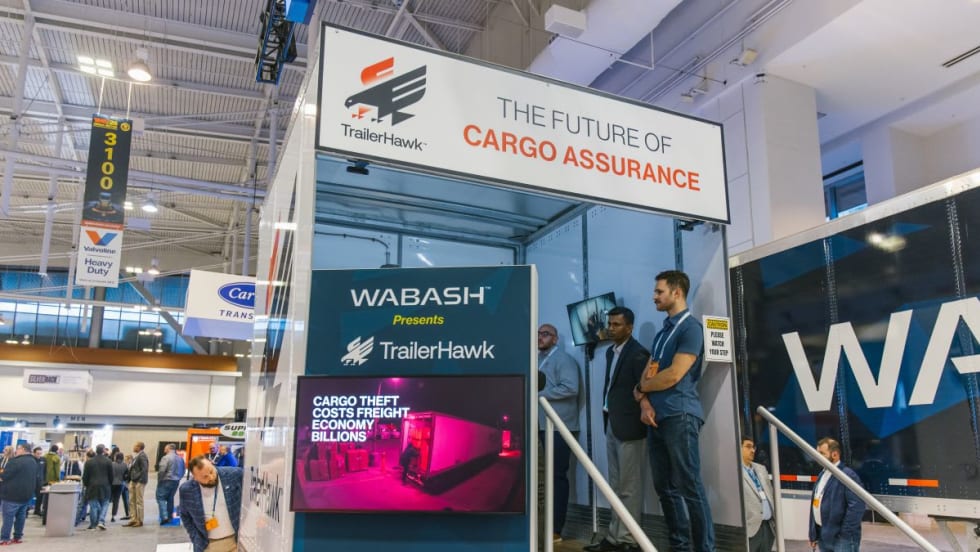
The patent-pending cargo solution integrates a digitally connected cargo door and an intelligent locking system with the TrailerHawk.AI technology platform.
Read More →
The impact of the Iran conflict extends beyond fuel costs, bringing more fraud and cybersecurity risks to the trucking industry.
Read More →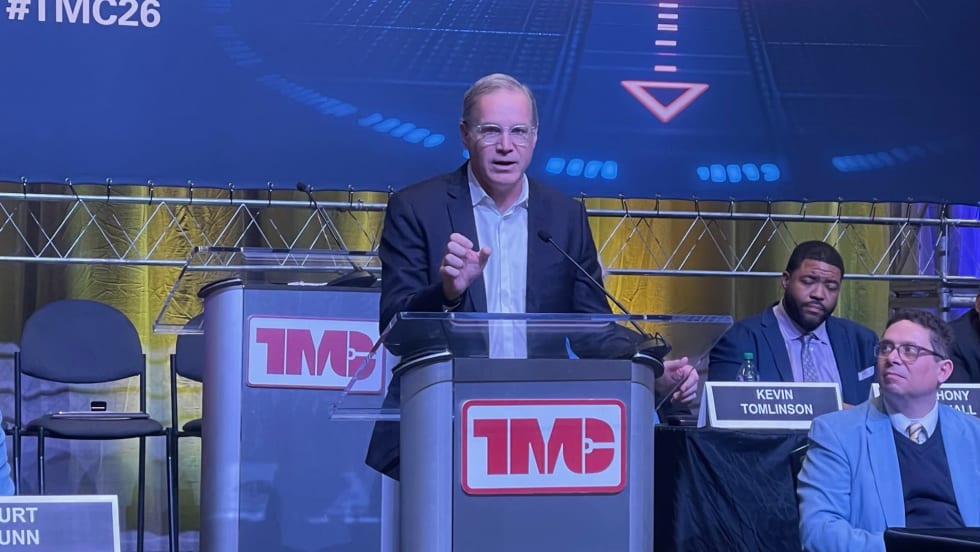
Speaking at the TMC Annual Meeting in Nashville, ATA President Chris Spear said trucking faces mounting pressure from rising fuel prices, geopolitical instability, and uncertainty around trade policy.
Read More →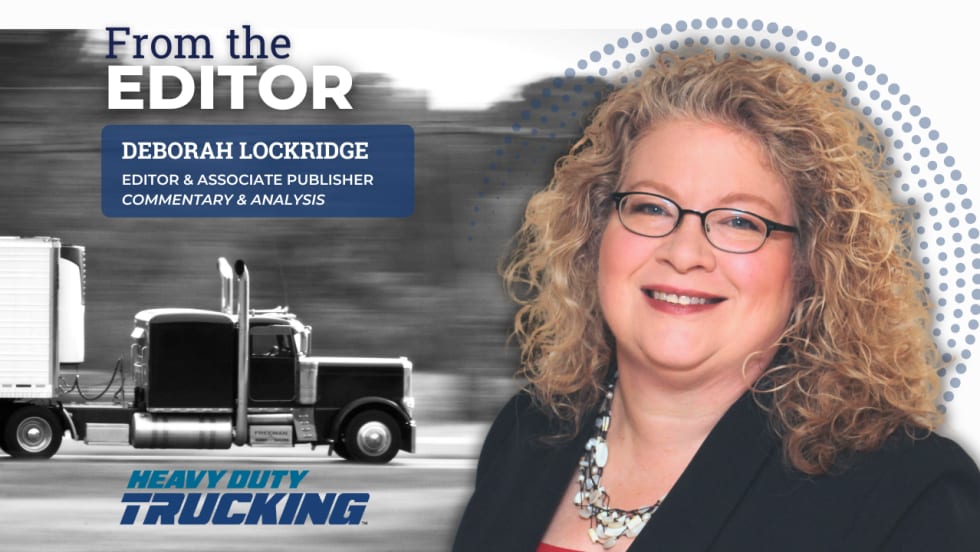
More than 100,000 new trucking companies enter the industry each year, but regulators manage to audit only a fraction of them. That churn creates opportunities for inexperienced startups — and for “chameleon carriers” that shut down after safety violations and reappear under new identities. Read more from Deborah Lockridge in this commentary.
Read More →
HDTX is an intimate event that connects heavy-duty trucking fleet managers with industry suppliers through small-group discussions, educational sessions, and structured one-on-one meetings.
Read More →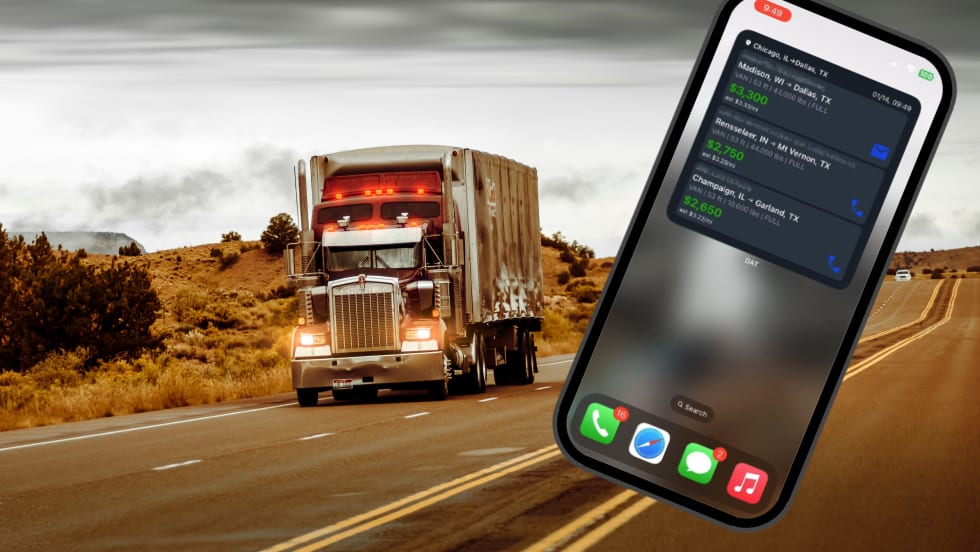
New DAT One feature shows top-paying loads directly on an iPhone’s home screen, helping carriers react faster to spot-market opportunities.
Read More →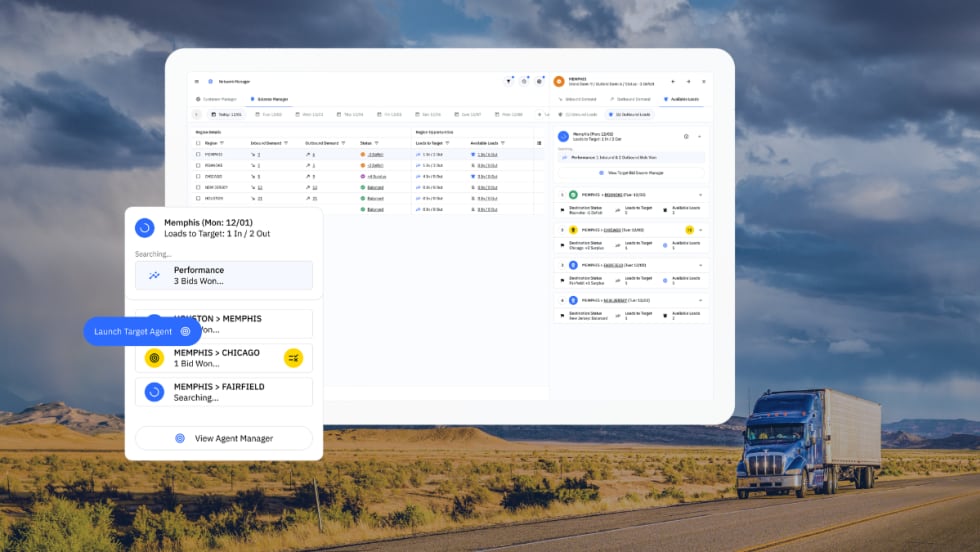
Optimal Dynamics says its new Scale platform uses AI agents and optimization to help carriers find and secure freight that improves network balance and profitability.
Read More →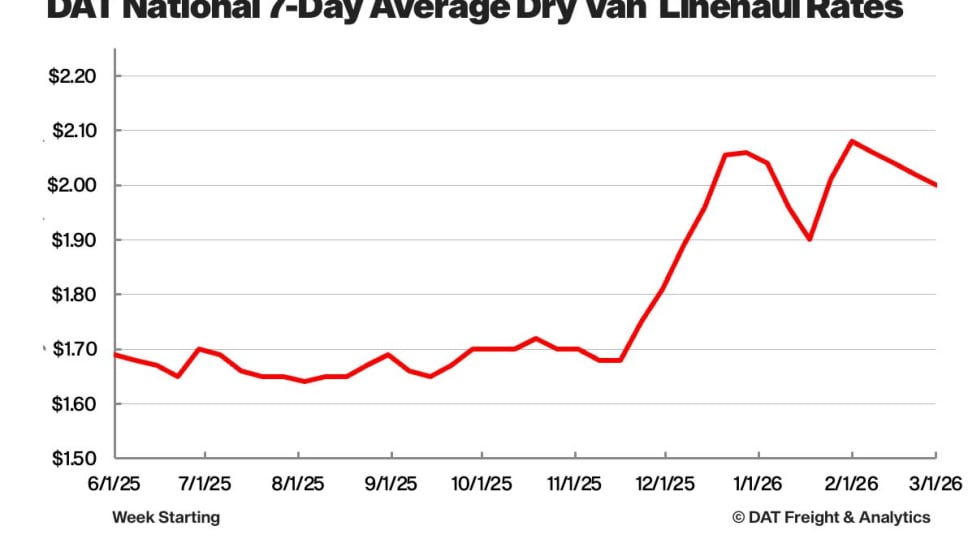
DAT Freight & Analytics data shows tightening flatbed capacity, easing produce markets, and softening van and reefer rates.
Read More →
NACFE's Run on Less - Messy Middle project demonstrates the power of data in helping to guide the future of alternative fuels and powertrains for heavy-duty trucks.
Read More →