




A labor dispute at the Port of Boston that led to a slowdown in processing trucks has had the truckers who haul containers in and out of the port fuming this week.
After layoffs at the Conley Container Terminal Oct. 1, members of the Local 1066 of the International Longshoremen's Assn. started to reduce productivity at the terminal, reducing the number of trucks they were processing a day from 650 to between 515 and 550.
In response, Monday the Massachusetts Port Authority pared back hours at the terminal, opening an hour later and closing for the lunch hour. The reduced hours eliminated overtime paid to the protesting union members. It also infuriated port truckers, who were faced with five-hour turnaround times that enabled them to haul only one or two loads a day instead of the usual three into the metropolitan area.
Truckers were so upset that they blocked the entrance to the terminal Tuesday morning, parking their trucks in front of the gates. "A bunch of the drivers decided enough was enough," says 20-year port trucker veteran Paul Dodge. Although there is no official association, Dodge speaks for many of the drivers and has been in touch with other port driver groups online.
Massport and ILA leaders reached an agreement Tuesday afternoon which resulted in the port returning to extended hours. Dodge says the port authorities also spoke with truckers, whose blocking of the port he feels also had something to do with the decision to go back to the regular hours. However, Dodge says, the smaller number of people working after this month's layoffs is still creating slowdowns for truckers.
Although the port is still open during lunch, Dodge says, the clerks have told the truckers that with the layoffs, there are no longer enough bodies to keep all the lanes open while some of the staffers take their lunch break.
"Everything first thing in the morning goes well," Dodge says, "but at lunch you're going from four lanes to two lanes, causing a 35 to 40 truck backup, which then never seems to go away until the end of the day." Dodge said yesterday trucks were getting in and out of the port in an average of about two hours - but before all the changes happened, it was not uncommon for turnaround times to be less than an hour.
Dodge estimates there are one to two weeks' worth of containers backed up at the port from the slowdowns.
Although truckers from the Boston port did not have a huge show of support for the national port trucker rallies organized by the Teamsters earlier this month, Dodge says the Teamsters have been working with the drivers to educate them about their situation and options.
"To have any real independence, we need some power behind us," Dodge said, "and the Teamsters union could do this."
Slowdowns Prompt Protest at Massachusetts Port
A labor dispute at the Port of Boston that led to a slowdown in processing trucks has had the truckers who haul containers in and out of the port fuming this week
More Fleet Management

'Beyond Compliance,' Regulations, Driver Coaching on ATRI’s 2026 Research List
The American Transportation Research Institute will examine driver coaching, regulatory impacts — including the "Beyond Compliance" concept —and weather disruptions that shape trucking operations.
Read More →
Fleet Advantage's Brian Antonellis on the Growing Need to Replace Old Trucks
Fleet Advantage's Brian Antonellis says it's time for fleets to get back to the fundamentals of good maintenance practices. And that includes replacing older, inefficient equipment.
Read More →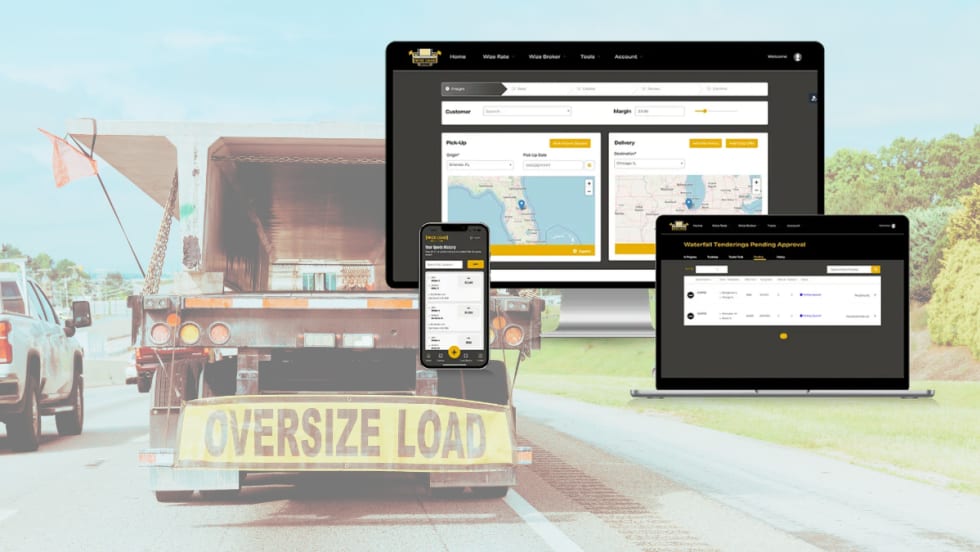
Truckstop.com Adding to Open Deck, Heavy Haul Offerings
Load matching for flatbed, lowbed, oversize and overweight loads can't be automated like basic van freight, but Truckstop.com is adding more high-tech tools to help.
Read More →
Trucker Path, Truckstop.com Expand Load Access Partnership
An expanded Trucker Path and Truckstop.com integration brings more freight opportunities into the TruckLoads app while emphasizing security and network quality.
Read More →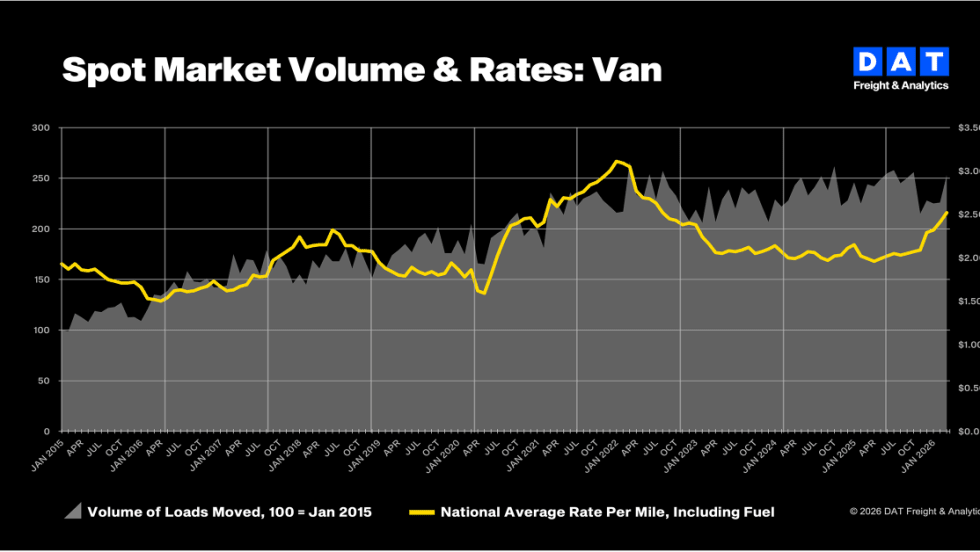
Truckload Rates Hit Two-Year Highs as Diesel Costs Surge, DAT Says
Strong March freight demand combined with a spike in fuel costs pushed both spot and contract truckload rates to their highest levels in more than two years.
Read More →
The AI Conversation You Need to Have with Your TMS Provider
Everyone’s talking about AI — but is your transportation management system actually built for it?
Read More →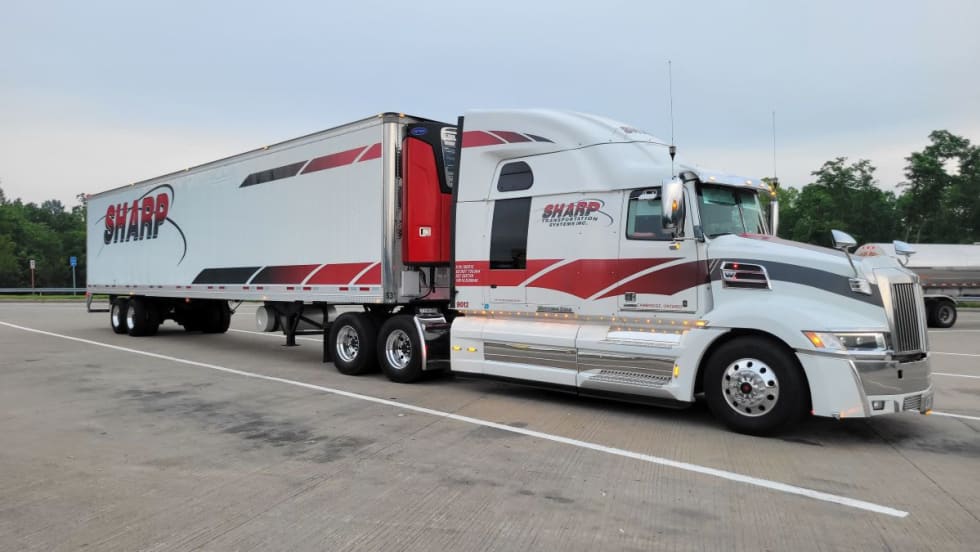
Kriska Buys Fellow Canadian Carrier Sharp Transportation Systems
Being part of KTG will allow Sharp to expand and improve its services.
Read More →
Bill in House Would Raise Minimum Insurance for Motor Carriers to $5 Million
The Fair Compensation for Truck Crash Victims Act would increase insurance requirements for interstate motor carriers by nearly seven times.
Read More →
FTR Trucking Conditions Index Hits Four-Year High in February
Strong freight rates push TCI to 10.2, but FTR expects fuel-price volatility to skew March results.
Read More →
C.H. Robinson Offers Carriers Relief as Diesel Prices Surge
C.H. Robinson is waiving fees on fuel cards and cash advances for April and May, aiming to help carriers offset rising diesel costs tied to geopolitical instability.
Read More →