




Small and medium producers of biodiesel had "significant failure rates" in the U.S. Department of Energy's 2007 biodiesel quality survey, while about 90 percent of all the biodiesel tested met specifications.
Smaller Biodiesel Producers Fail Quality Tests More Often
Small and medium producers of biodiesel had "significant failure rates" in the U.S. Department of Energy's 2007 biodiesel quality survey, while about 90 percent of all the biodiesel tested met specifications
by Staff
April 7, 2008
2 min to read
To evaluate the quality of biodiesel produced in the U.S., the DOE's National Renewable Energy Laboratory conduct periodic quality surveys to see if the fuel meetings ASTM International D6751 specifications. Biodiesel must meet these specs to be considered a legal fuel and qualify for tax credits.
The samples were tested for properties deemed critical for engine operation: oxidation stability, flash point and alcohol content, cloud point, water and sediment, acid value, and free and total glycerin. They also were analyzed for phosphorus, sodium, potassium, magnesium and calcium, which are poisons to advanced emissions control equipment.
For the 2007 survey, the agency collected samples representing 70 percent of the U.S. market. Producers meeting the National Biodiesel Board's voluntary BQ-9000 specifications accounted for 74 percent of the volume in the survey. Large producers and BQ-9000 producers hardly ever failed to meet the specifications.
However, small and medium biodiesel producers "had significant failure rates," according to the NREL's report. The small and medium producers failed to meet oxidation stability specifications most often - 30 percent of their samples failed.
Samples collected from BQ-9000 producers were "overwhelmingly on specification," with the exception of one. That one failed to meet water and sediment specifications, indicating that contamination of the sample was likely.
More Drivers

FMCSA Extends Paper Medical Card Exemption … Again
Five states still aren't ready to accept commercial driver medical exam information directly from the medical examiner's registry.
Read More →
Mack Launches Digital Driver Guide for Chassis-Specific Truck Info
Mack’s new, virtual owner’s manual delivers VIN-based, on-demand guidance for vehicle systems via web, app, and soon in-cab displays.
Read More →
Western Star Showcases Truckers' Pride and Skill
Western Star is expanding its Star Nation Experience in 2026, adding new competitions and dealer participation to highlight operator skills and promote careers in trucking.
Read More →
Best Fleets to Drive For: Two Carriers Earn Overall Award for First Time
CarriersEdge announced the 2026 Best Fleets to Drive For overall winners, with Crawford Trucking, Fortigo Freight Services, and FTC Transportation receiving top awards.
Read More →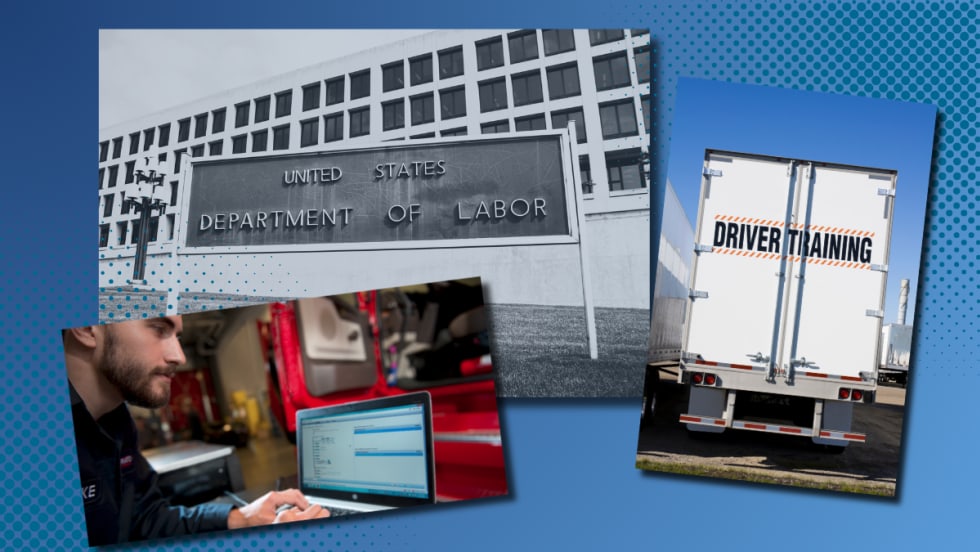
Federal Proposal Would Allow Pell Grants for Shorter-Term Job Training
The Department of Labor plans to expand Pell Grant eligibility to some shorter workforce training programs, a move the American Trucking Associations said will help strengthen commercial driver training schools and diesel technician training programs.
Read More →
Owner-Operator Model Gets Boost as DOL Proposes 2024 Independent Contractor Definition Reversal
For an industry that has watched this issue go back and forth for years, the independent contractor proposal marks the latest swing in the regulatory pendulum.
Read More →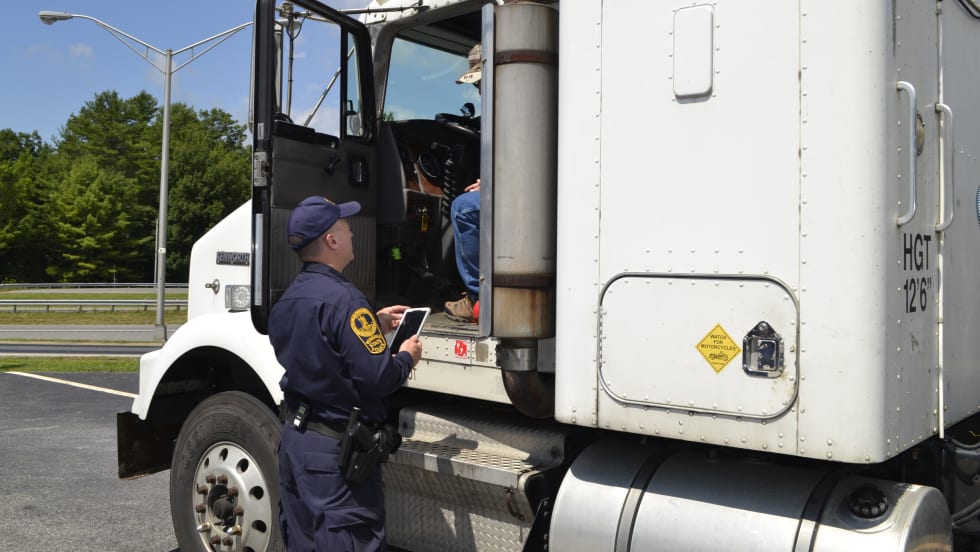
FMCSA Reinstates Field Warrior ELD to Registered Device List
One electronic logging device has been reinstated to the FMCSA's list of registered ELDs.
Read More →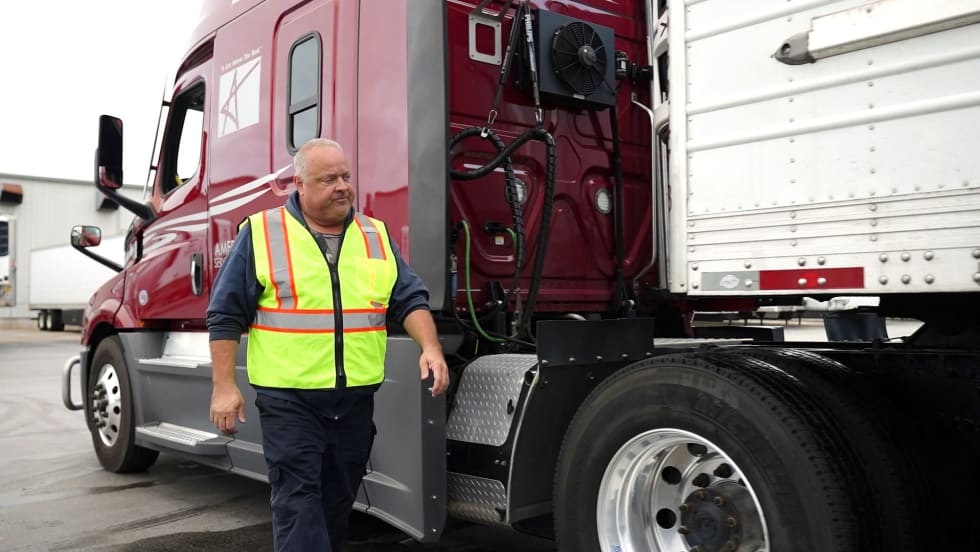
How One Company is Using Smart Suspension Technology to Reduce Driver Injuries and Improve Retention
America’s Service Line adopted Link’s SmartValve and ROI Cabmate systems to address whole-body vibration, repetitive strain, and driver turnover. The trucking fleet is already seeing measurable results.
Read More →
CarriersEdge Announces 2026 Best Fleets to Drive For
The 18th annual contest recognizing the best workplaces for truck drivers sees changes to Top 20, Hall of Fame
Read More →
FMCSA Targets 550+ ‘Sham’ CDL Schools in Nationwide Sting Operation
The Federal Motor Carrier Safety Administration issued more than 550 notices of proposed removal to commercial driver training providers following a five-day nationwide enforcement sweep. Investigators cited unqualified instructors, improper training vehicles, and failure to meet federal and state requirements.
Read More →