



National average spot truckload rates continued their decline into February but remain unseasonably high, according to new figures based on the DAT Solutions network of load boards.
 MENU
MENU SEARCH
National average spot truckload rates continued their decline into February but remain unseasonably high, according to new figures based on the DAT Solutions network of load boards.

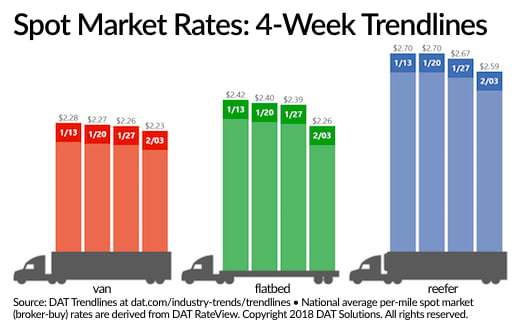
National average spot truckload rates continued their decline into February but remain unseasonably high, according to new figures based on the DAT Solutions network of load boards.
This happened as the number of available loads slipped nearly 6% for the week ending Feb. 3 from the previous week as the number of truck posts increased 3%. This also pushed dry van and refrigerated load-to-truck ratios down to near mid-December levels, before the mandate on electronic logging devices took effect.
Vans: 6.9 available loads per truck
Flatbeds: 61.1 loads per truck
Reefers: 10.2 loads per truck
National average rates dropped 3 cents for van freight to $2.23 per mile, 8 cents for reefers to $2.59 per mile, and 13 cents for flatbeds at $2.26 per mile. The price of diesel rose again, with the national average up 1.6 cents to $3.09 per gallon. All reported rates include fuel surcharges.
Heading into what is traditionally a slow month, the number of van loads posted declined 16% and truck posts rose 4%. Van rates fell in nearly every major market, although prices are higher than they were a year ago. Chicago’s outbound average had the sharpest decline last week, down 16 cents to $2.77 per mile after a 15-cent drop the previous week. Other noteable declines include:
Houston, $2.00 per mile, down 6 cents
Memphis, $2.54 per mile, down 1 cent
Los Angeles, $2.32 per mile, down 9 cents
Columbus, Ohio, $2.29 per mile, down 8 cents
Reefer load posts fell 19% and truck posts increased 2%. Prices remain high even though rates on most high-traffic lanes were down. Long-haul lanes from the southern border took big steps back, including McAllen, Texas - Elizabeth, New Jersey, down 51 cents to $2.76 per mile; and Nogales, Arizona - Brooklyn, down 79 cents to $2.43 per mile.
Spot prices for flatbed freight remain solid amid improved demand for capacity. Load posts increased 13% and truck posts declined 2%. The 61.9 to 1 load-to-truck is the second highest flatbed load-to-truck ratio seen in years.

ACT Research data shows volumes hitting a four-year high and supply-demand balance strengthening, but higher oil prices are undercutting tariff relief and tempering optimism.
Read More →
The patent-pending cargo solution integrates a digitally connected cargo door and an intelligent locking system with the TrailerHawk.AI technology platform.
Read More →
The impact of the Iran conflict extends beyond fuel costs, bringing more fraud and cybersecurity risks to the trucking industry.
Read More →
Speaking at the TMC Annual Meeting in Nashville, ATA President Chris Spear said trucking faces mounting pressure from rising fuel prices, geopolitical instability, and uncertainty around trade policy.
Read More →
More than 100,000 new trucking companies enter the industry each year, but regulators manage to audit only a fraction of them. That churn creates opportunities for inexperienced startups — and for “chameleon carriers” that shut down after safety violations and reappear under new identities. Read more from Deborah Lockridge in this commentary.
Read More →
HDTX is an intimate event that connects heavy-duty trucking fleet managers with industry suppliers through small-group discussions, educational sessions, and structured one-on-one meetings.
Read More →
New DAT One feature shows top-paying loads directly on an iPhone’s home screen, helping carriers react faster to spot-market opportunities.
Read More →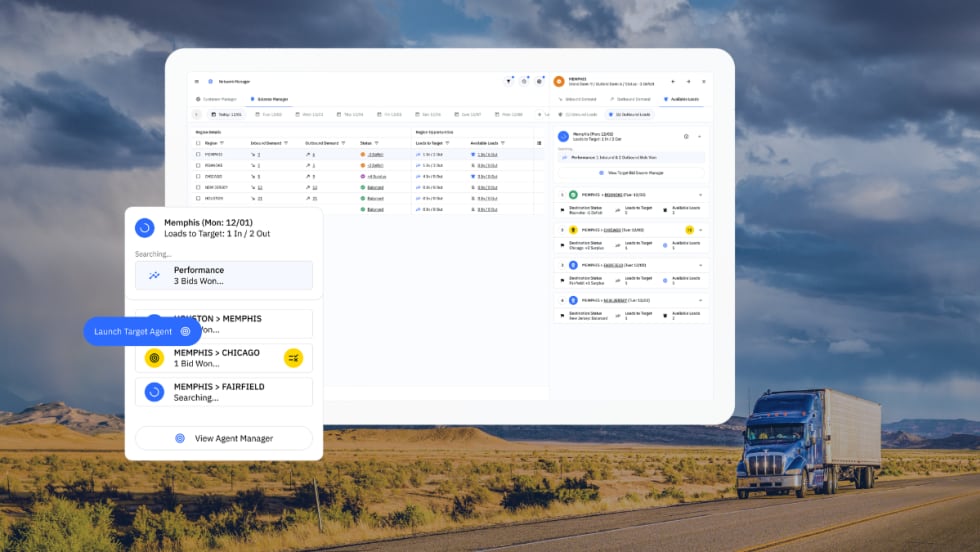
Optimal Dynamics says its new Scale platform uses AI agents and optimization to help carriers find and secure freight that improves network balance and profitability.
Read More →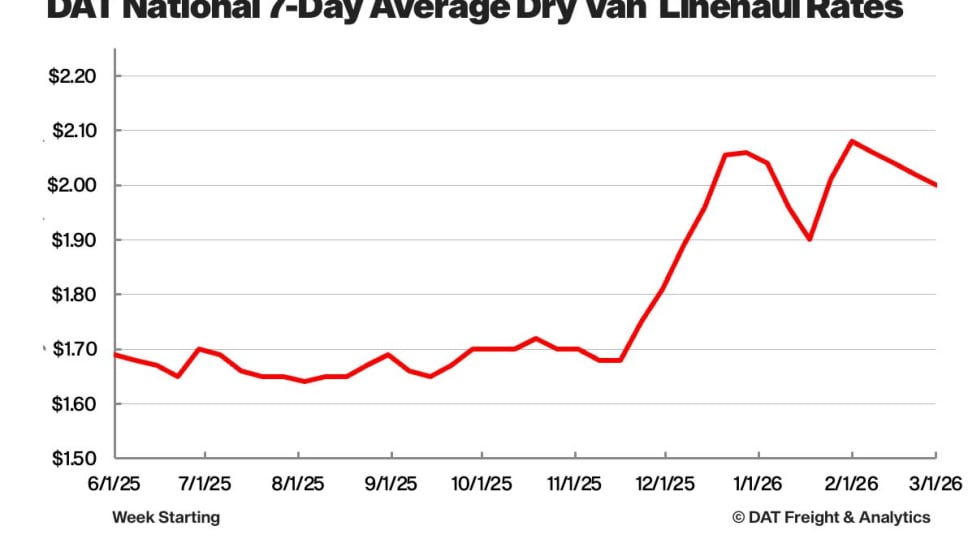
DAT Freight & Analytics data shows tightening flatbed capacity, easing produce markets, and softening van and reefer rates.
Read More →
NACFE's Run on Less - Messy Middle project demonstrates the power of data in helping to guide the future of alternative fuels and powertrains for heavy-duty trucks.
Read More →