



Transportation leaders from California, Texas, Arizona and New Mexico have created a coalition supporting innovation along the Interstate 10 corridor to improve the safety and efficiency of the vital transportation route.
 MENU
MENU SEARCH
Transportation leaders from California, Texas, Arizona and New Mexico have created a coalition supporting innovation along the Interstate 10 corridor to improve the safety and efficiency of the vital transportation route.
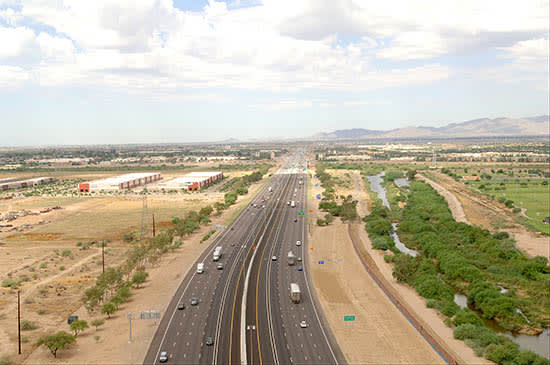
Photo: Arizona DOT
Transportation leaders from California, Texas, Arizona and New Mexico have created a coalition supporting innovation along the Interstate 10 corridor to improve the safety and efficiency of the vital transportation route.
An agreement establishing the voluntary I-10 Corridor Coalition, proposed by Arizona Department of Transportation director John Halikowski, was signed June 2. The initiative is modeled after a coalition involving 15 states that govern Interstate 95 that runs the length of the East Coast.
“The efficient flow of commerce in Arizona drives our state’s economic vitality,” said Halikowski. “This agreement with our transportation partners in California, New Mexico and Texas will work to build a reliable, friction-free I-10 corridor to support Arizona’s businesses and export industries.”
The partnership is designed to remove what transportation officials refer to as “friction” from the corridor, such as the variety of commercial vehicle permitting and inspection practices in each state along I-10. These different policies and regulations restrict the movement of goods, creating transportation inefficiencies.
The coalition will employ the transportation knowledge of each state collectively to enable resource sharing, joint testing and economies of scale. It will apply best practices to improve safety and efficiency along the corridor, improve freight movement, expand and coordinate the use of technology along the corridor and promote cooperative planning.
Interstate 10 is a major trucking route from the Ports of Long Beach and Los Angeles in Southern California to the rest of the U.S., transporting goods coming to the country from Asian markets all the way through Central Texas.
“We want to see the day when a truck or a non-commercial vehicle can travel the 1,700 miles between Los Angeles ports and Houston ports– safely, efficiently and without delay,” said Halikowski. “Someday we want the I-10 Corridor to be filled with truck platoons and connected vehicles, weigh-in-motion sensors and automated truck parking lots.”

ACT Research data shows volumes hitting a four-year high and supply-demand balance strengthening, but higher oil prices are undercutting tariff relief and tempering optimism.
Read More →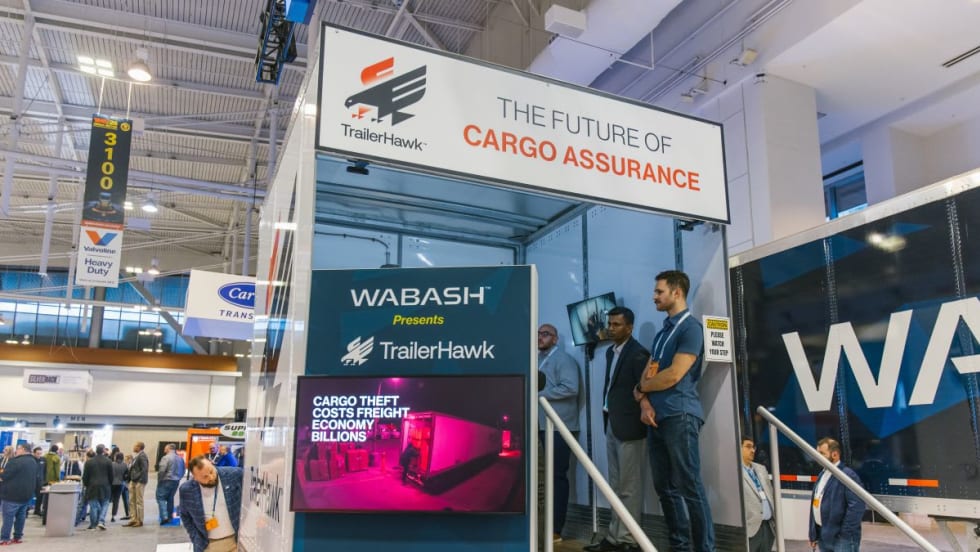
The patent-pending cargo solution integrates a digitally connected cargo door and an intelligent locking system with the TrailerHawk.AI technology platform.
Read More →
The impact of the Iran conflict extends beyond fuel costs, bringing more fraud and cybersecurity risks to the trucking industry.
Read More →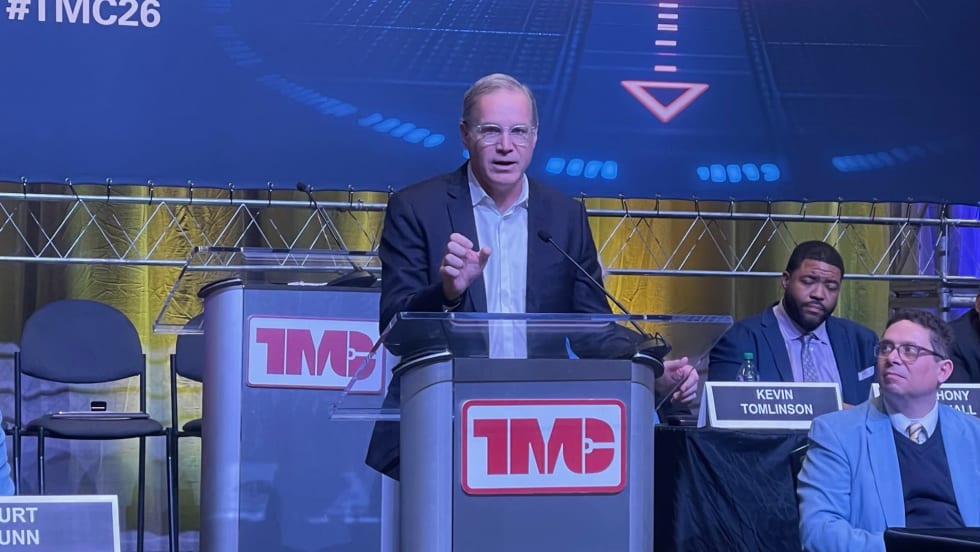
Speaking at the TMC Annual Meeting in Nashville, ATA President Chris Spear said trucking faces mounting pressure from rising fuel prices, geopolitical instability, and uncertainty around trade policy.
Read More →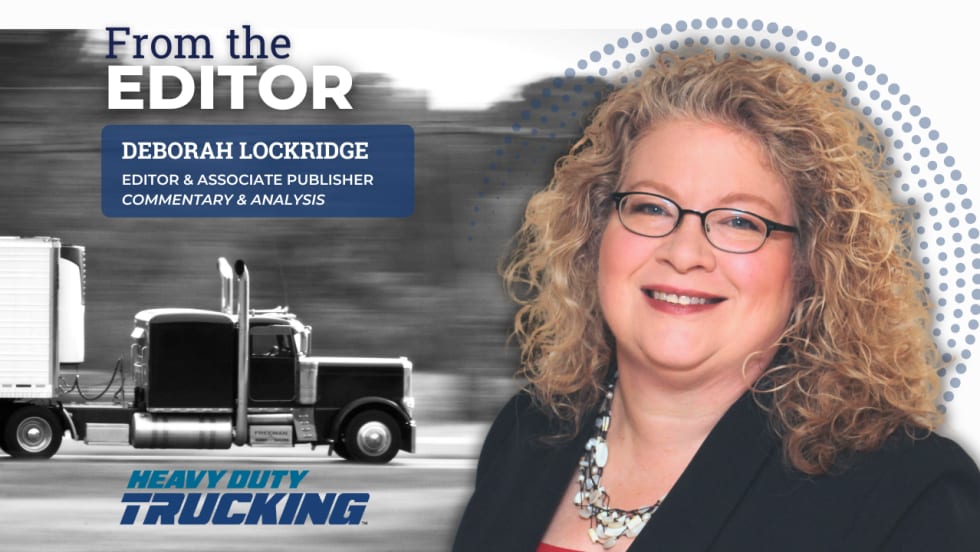
More than 100,000 new trucking companies enter the industry each year, but regulators manage to audit only a fraction of them. That churn creates opportunities for inexperienced startups — and for “chameleon carriers” that shut down after safety violations and reappear under new identities. Read more from Deborah Lockridge in this commentary.
Read More →
HDTX is an intimate event that connects heavy-duty trucking fleet managers with industry suppliers through small-group discussions, educational sessions, and structured one-on-one meetings.
Read More →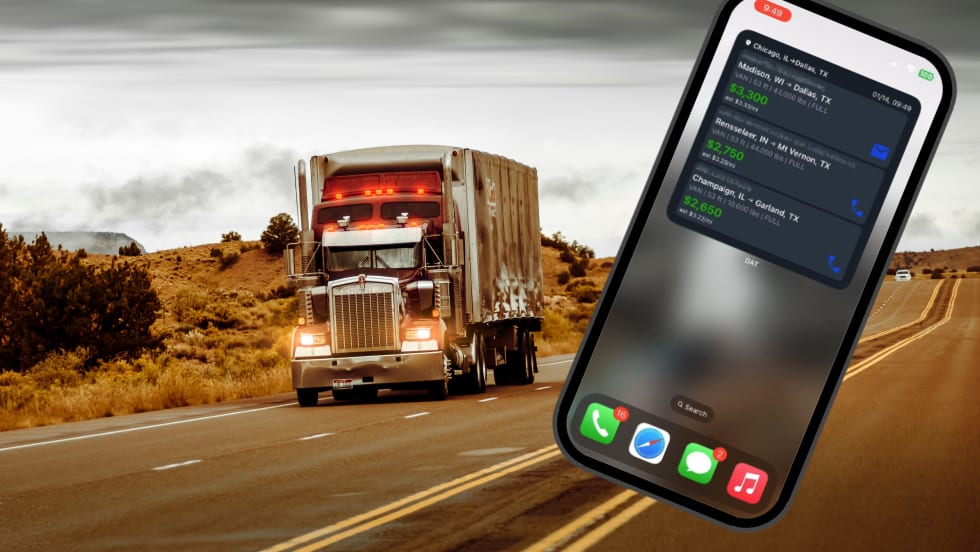
New DAT One feature shows top-paying loads directly on an iPhone’s home screen, helping carriers react faster to spot-market opportunities.
Read More →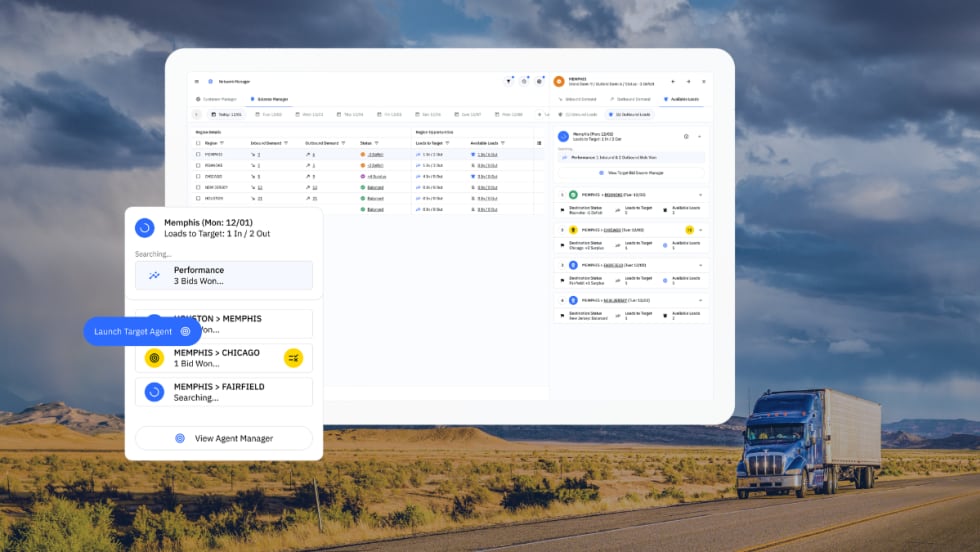
Optimal Dynamics says its new Scale platform uses AI agents and optimization to help carriers find and secure freight that improves network balance and profitability.
Read More →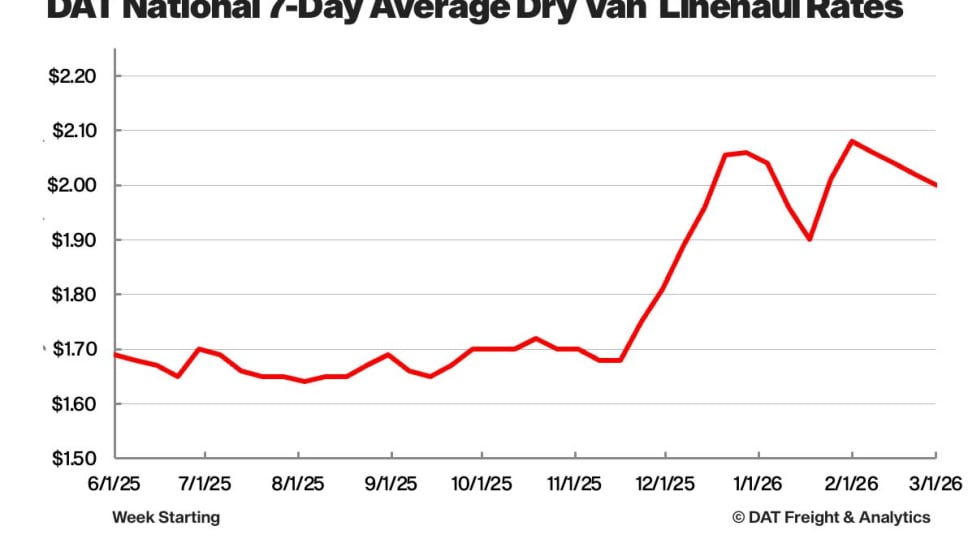
DAT Freight & Analytics data shows tightening flatbed capacity, easing produce markets, and softening van and reefer rates.
Read More →
NACFE's Run on Less - Messy Middle project demonstrates the power of data in helping to guide the future of alternative fuels and powertrains for heavy-duty trucks.
Read More →