




U.S. and international container shipping ports are among the biggest sources of air pollution and greenhouse gas emissions, because of their reliance on diesel fuel. But progress toward reducing harmful emissions by switching to clean alternative fuels is gaining momentum
worldwide, according to a new study.
"Container Ports and Air Pollution," published by Energy Futures Inc., found that natural gas is currently the leading alternative fuel for goods movement at U.S. container ports, while hybrid electric vehicles are gaining popularity in Asia.
The 77-page report presents findings from a 10-month-long study that included on-site visits to evaluate air pollution control efforts at top container ports in the U.S., Europe and Asia. The new Energy Futures study updates and expands on a report titled "U.S. Container Ports and Air Pollution: A Perfect Storm," which was published in February 2008. That study identified environmental protection alternative fuel programs at each of the top 10 U.S. container ports, including their use of natural gas, biodiesel or hybrid electric vehicles.
"A key premise of our studies of air pollution in the container shipping industry is that alternative fuels offer viable options for use in goods movement operations to replace polluting fuels that are derived from oil," says James S. Cannon, president, Energy Futures. "These clean-burning fuels are known to work well in port goods movement, and there is great promise that they can be more widely used in the shipping supply chain."
Cannon unveiled the new report to an international audience in a speech Wednesday at the GreenPorts 2009 Conference in Naples, Italy.
Included in the new report are updated profiles that showcase air pollution control efforts at the Ports of Los Angeles and Long Beach, Calif.; the Port of New York and New Jersey; the Port of Savannah, Ga.; the Port of Oakland, Calif.; the Port of Hampton Roads, Va.; the Port of Seattle, Wash.; the Port of Tacoma, Wash.; the Port of Houston, Texas, and the Port of Charleston, S.C. Case studies at the Port of Rotterdam, the Netherlands, and the Port of Hong Kong are also included.
The research clearly shows that 2008 was the busiest year yet for innovative new environmental efforts, particularly at the top U.S. container ports. Many ports are taking action to reduce the pollution they generate through alternative fuel and advanced technology programs. In 2008, for example, regional truck programs were launched at the three California ports - Los Angeles, Long Beach and Oakland - that are expected to deploy thousands of natural gas-powered goods movement trucks during the next few years.
Cannon explained that the U.S. is the largest importer of containerized goods, yet the millions of containers handled at U.S. ports annually comprise only about 10 percent of the global container trade. The study documents significant progress during 2008 in environmental programs affecting international goods movement.
"Air Pollution and Container Ports" is available for download at no charge at www.energy-futures.com.
Study: Clean Alternative Fuels Gains at Container Shipping Ports
U.S. and international container shipping ports are among the biggest sources of air pollution and greenhouse gas emissions, because of their reliance on diesel fuel. But progress toward reducing harmful emissions by switching to clean alternative fuels is gaining momentu
More Fleet Management

'Beyond Compliance,' Regulations, Driver Coaching on ATRI’s 2026 Research List
The American Transportation Research Institute will examine driver coaching, regulatory impacts — including the "Beyond Compliance" concept —and weather disruptions that shape trucking operations.
Read More →
Fleet Advantage's Brian Antonellis on the Growing Need to Replace Old Trucks
Fleet Advantage's Brian Antonellis says it's time for fleets to get back to the fundamentals of good maintenance practices. And that includes replacing older, inefficient equipment.
Read More →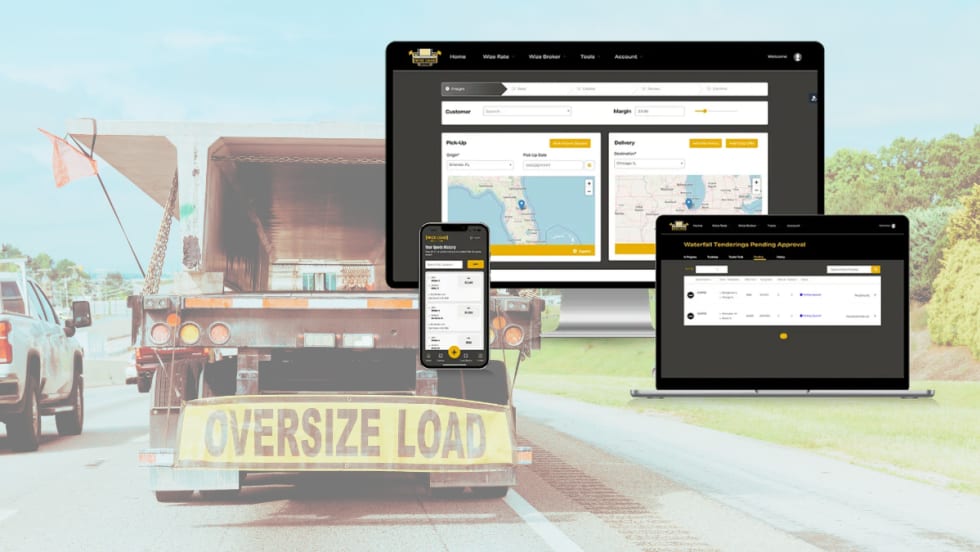
Truckstop.com Adding to Open Deck, Heavy Haul Offerings
Load matching for flatbed, lowbed, oversize and overweight loads can't be automated like basic van freight, but Truckstop.com is adding more high-tech tools to help.
Read More →
Trucker Path, Truckstop.com Expand Load Access Partnership
An expanded Trucker Path and Truckstop.com integration brings more freight opportunities into the TruckLoads app while emphasizing security and network quality.
Read More →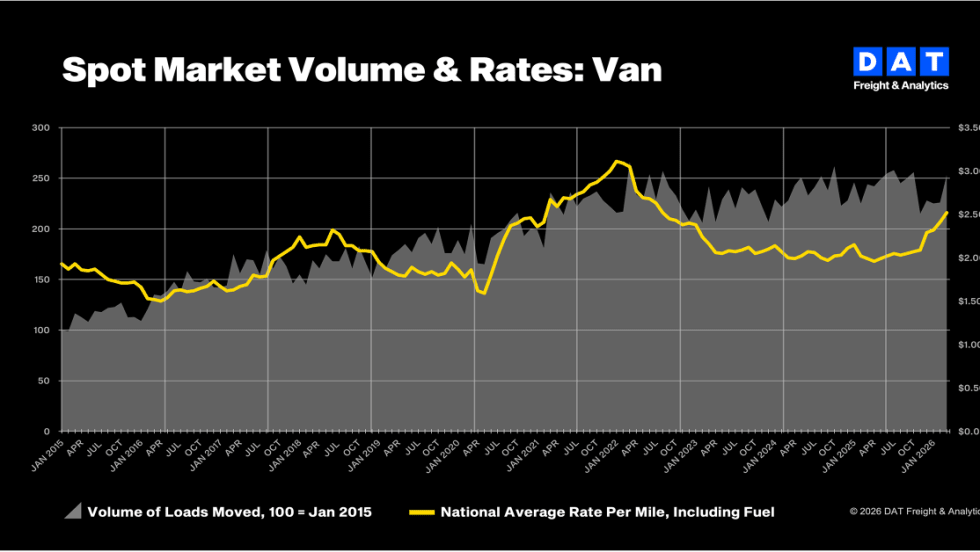
Truckload Rates Hit Two-Year Highs as Diesel Costs Surge, DAT Says
Strong March freight demand combined with a spike in fuel costs pushed both spot and contract truckload rates to their highest levels in more than two years.
Read More →
The AI Conversation You Need to Have with Your TMS Provider
Everyone’s talking about AI — but is your transportation management system actually built for it?
Read More →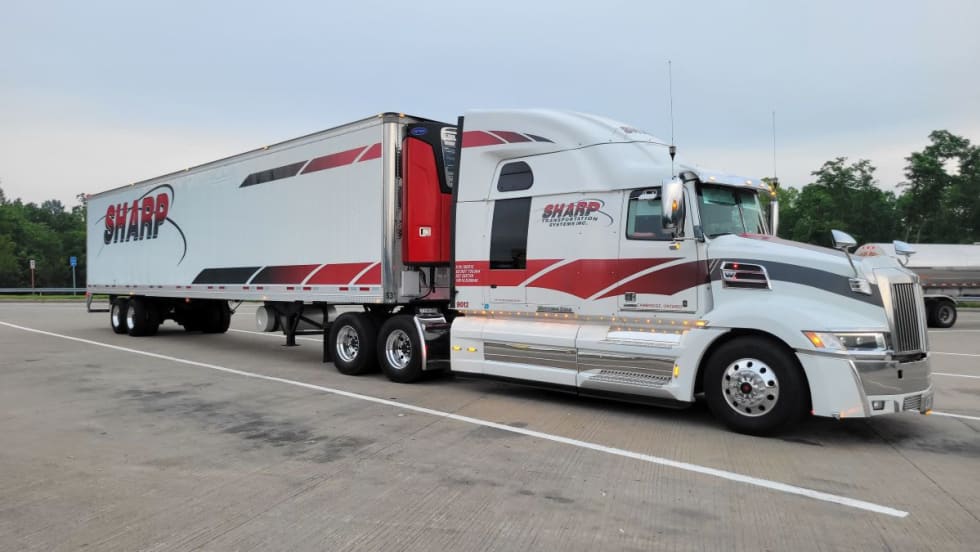
Kriska Buys Fellow Canadian Carrier Sharp Transportation Systems
Being part of KTG will allow Sharp to expand and improve its services.
Read More →
Bill in House Would Raise Minimum Insurance for Motor Carriers to $5 Million
The Fair Compensation for Truck Crash Victims Act would increase insurance requirements for interstate motor carriers by nearly seven times.
Read More →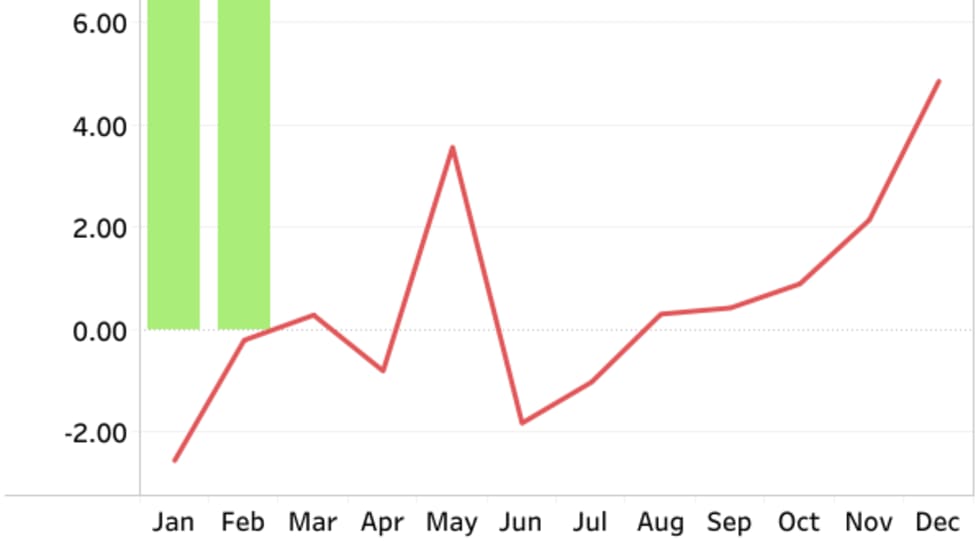
FTR Trucking Conditions Index Hits Four-Year High in February
Strong freight rates push TCI to 10.2, but FTR expects fuel-price volatility to skew March results.
Read More →
C.H. Robinson Offers Carriers Relief as Diesel Prices Surge
C.H. Robinson is waiving fees on fuel cards and cash advances for April and May, aiming to help carriers offset rising diesel costs tied to geopolitical instability.
Read More →