



A new report shows distracted driving is a growing problem along a section of one of America’s most heavily travelled routes.
 MENU
MENU SEARCH
A new report shows distracted driving is a growing problem along a section of one of America’s most heavily travelled routes.

A new report shows distracted driving is a growing problem along a section of one of America’s most heavily travelled routes.
In a second annual report on distracted drivers on Interstate 95 in Northern Virginia, the number of frequent I-95 drivers likely to use their cell phone while driving has increased from 56% in 2013 to 62% this year.
The report is from the motorist group AAA Mid-Atlantic, along with two companies involved in a construction project in Northern Virginia. It is based on a survey of 1,023 drivers who live in the area and frequently travel the route.
It also found the number of distracted drivers on I-95 who have had a traffic incident or near-miss as a result of their behavior has increased from 24% in 2013 to 31% in 2014.
Fifty-four percent of all distracted drivers on I-95 say they are at least occasionally responding to a work-related issue. These responders are 10% more likely than non-work responders to have an incident or near miss behind the wheel, according to the study. It also found work responders are also more likely than non-work responders to read texts, write texts and read/respond to emails.
The top reasons distracted drivers respond to work-related issues on I-95 include:
The belief that an immediate response is expected, at 31%,
The desire to multitask/save time, at 27%,
The need to check that the issue is not an emergency, at 17%.
Just 18% of area drivers say their employer has a policy regarding the use of cell phones while driving.
Despite major construction activities along I-95 in Northern Virginia, just 18% of I-95 drivers have specifically opted to not read or write texts or emails in the I-95 construction zone. Only 11% say that they no longer talk on a cell phone in the construction zone.

ACT Research data shows volumes hitting a four-year high and supply-demand balance strengthening, but higher oil prices are undercutting tariff relief and tempering optimism.
Read More →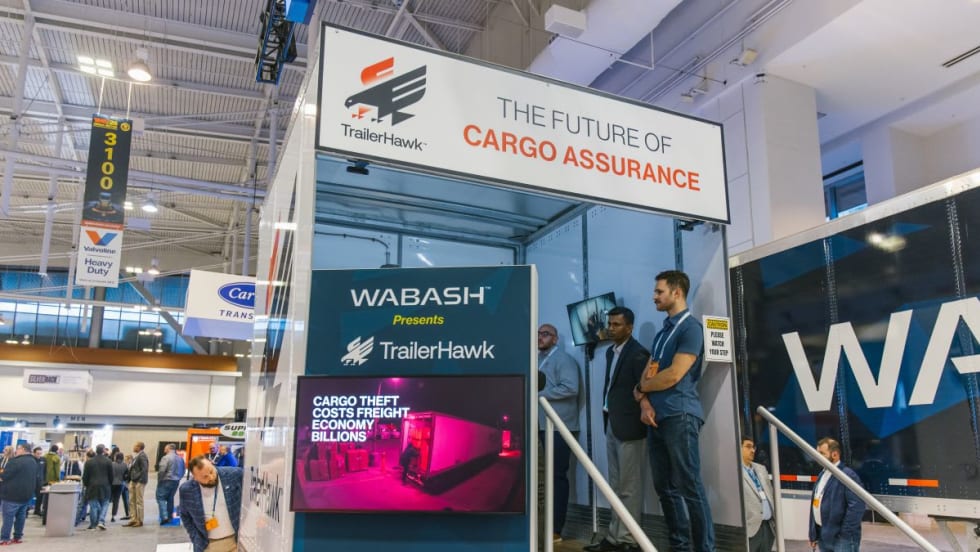
The patent-pending cargo solution integrates a digitally connected cargo door and an intelligent locking system with the TrailerHawk.AI technology platform.
Read More →
The impact of the Iran conflict extends beyond fuel costs, bringing more fraud and cybersecurity risks to the trucking industry.
Read More →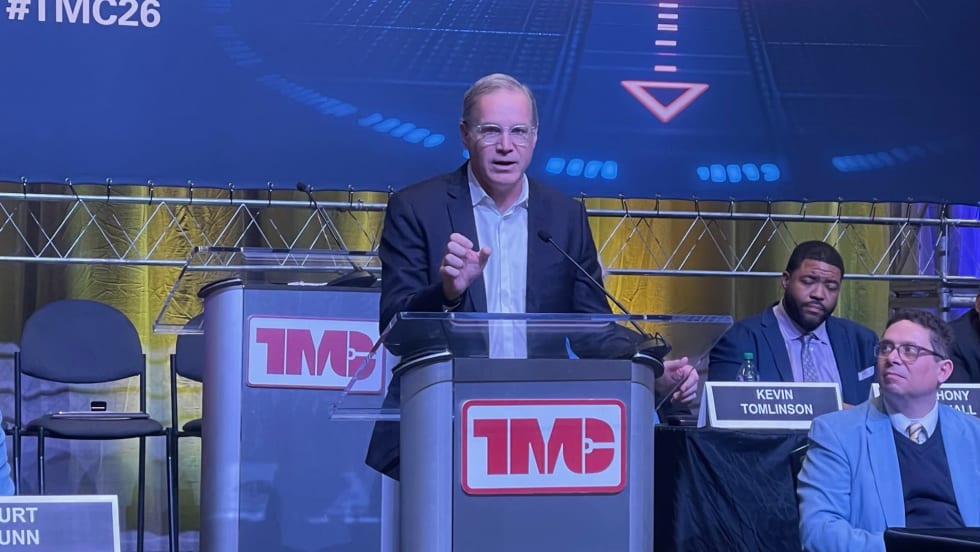
Speaking at the TMC Annual Meeting in Nashville, ATA President Chris Spear said trucking faces mounting pressure from rising fuel prices, geopolitical instability, and uncertainty around trade policy.
Read More →
More than 100,000 new trucking companies enter the industry each year, but regulators manage to audit only a fraction of them. That churn creates opportunities for inexperienced startups — and for “chameleon carriers” that shut down after safety violations and reappear under new identities. Read more from Deborah Lockridge in this commentary.
Read More →
HDTX is an intimate event that connects heavy-duty trucking fleet managers with industry suppliers through small-group discussions, educational sessions, and structured one-on-one meetings.
Read More →
New DAT One feature shows top-paying loads directly on an iPhone’s home screen, helping carriers react faster to spot-market opportunities.
Read More →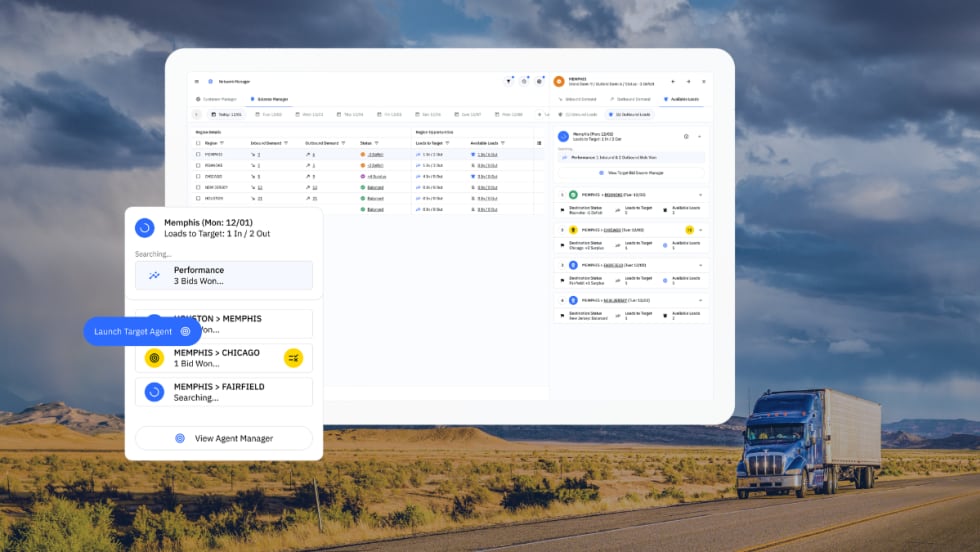
Optimal Dynamics says its new Scale platform uses AI agents and optimization to help carriers find and secure freight that improves network balance and profitability.
Read More →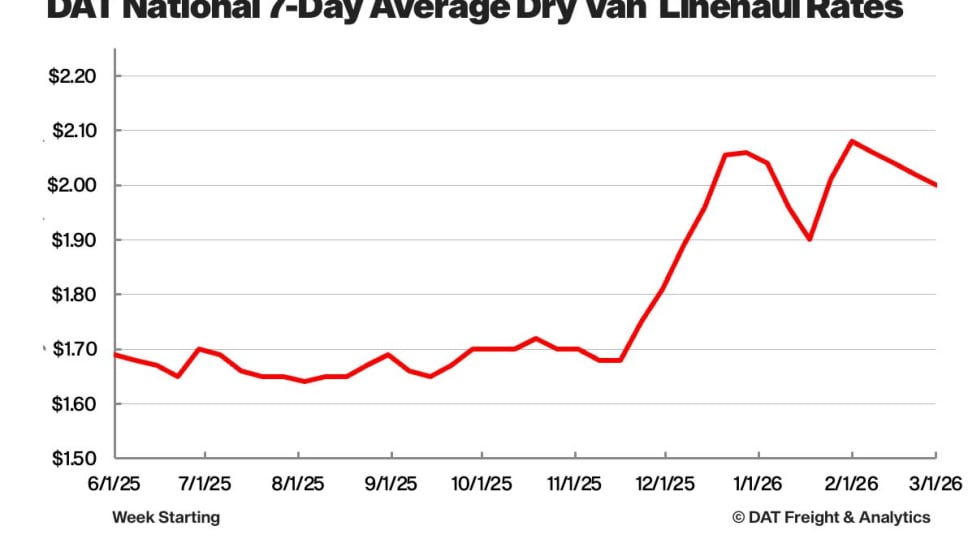
DAT Freight & Analytics data shows tightening flatbed capacity, easing produce markets, and softening van and reefer rates.
Read More →
NACFE's Run on Less - Messy Middle project demonstrates the power of data in helping to guide the future of alternative fuels and powertrains for heavy-duty trucks.
Read More →