




The U.S.transportation system is failing to keep pace with the demands of a 21st-century economy, and a piecemeal approach to improving the nation's transportation infrastructure no longer works, concluded a study released last week
by the Americans for Transportation Mobility Coalition and the National Chamber Foundation of the U.S. Chamber of Commerce.
"If the United States declines to invest in transportation infrastructure and ignores the transportation needs of key industry sectors, our economy will become less productive and less competitive," warned ATM Executive Director Janet F. Kavinoky. "Without an adequate transportation system, the nation's economic growth is at risk."
Meanwhile, global competitors have increased investment in transportation infrastructure. Economic powerhouses like China are building highways and rail lines, developing ports, and constructing airports while the U.S. transportation system erodes, the study said. As a result, "the margin of the U.S. competitive advantage is shrinking," noted the study.
The study, "The Transportation Challenge: Moving the U.S. Economy," attributed the poor performance of U.S. transportation system to the growing imbalance between supply and demand and the increasing age of the nation's infrastructure. Without investment guided by new policies, the U.S. transportation system will fall further behind the growing demand of five major economic sectors -- agriculture and natural resources, manufacturing, retail, services, and transportation -- that account for 84 percent of the U.S. economy.
Given population growth, shifting demographics and steady economic growth, a high-performance transportation system is a necessity. The U.S. population is projected to grow from 300 million today to 380 million people in 2035, while the economy is likely to double over the next 30 years, as is demand for freight transportation. These changing demographics create a more global, a more urban economy with a more diverse and aging workforce. Expanding demand and shrinking capacity for both freight and passengers across every mode of transportation raises fears about increased congestion, less reliability, and higher costs.
The report urged policymakers to become much more strategic in planning and investing in the U.S. transportation system. "If we do not, our transportation system will become a competitive disadvantage for U.S. industries, and it will be harder to sustain the growth of our regions and the national economy," the report said.
The study made a number of recommendations to address the
transportation problem.
Greater emphasis on economic needs and issues, including attention to regional mobility, in formulating national transportation initiatives
Development of a national consensus among citizens, businesses, and political leaders on the importance of increased investment in transportation infrastructure
Immediate attention to the approaching deficit in the federal Highway Trust Fund
Greater emphasis on investments in a national freight transportation program that would implement highway, rail, and marine transportation improvements to benefit commerce
More public investment in infrastructure, using all potential revenue sources, including user fees and other revenues collected at different levels of government
Increased use of financing and credit options including tax credits and public-private partnerships, to leverage an estimated $200 billion in private capital available for transportation infrastructure investment
A copy of the report and a report summary are available at:
www.uschamber.com/transportationchallenge
Study: Economy Suffers From Poor Transportation Strategy
The U.S.transportation system is failing to keep pace with the demands of a 21st-century economy, and a piecemeal approach to improving the nation's transportation infrastructure no longer works, concluded a study released last wee
More Drivers

FMCSA Extends Paper Medical Card Exemption … Again
Five states still aren't ready to accept commercial driver medical exam information directly from the medical examiner's registry.
Read More →
Mack Launches Digital Driver Guide for Chassis-Specific Truck Info
Mack’s new, virtual owner’s manual delivers VIN-based, on-demand guidance for vehicle systems via web, app, and soon in-cab displays.
Read More →
Western Star Showcases Truckers' Pride and Skill
Western Star is expanding its Star Nation Experience in 2026, adding new competitions and dealer participation to highlight operator skills and promote careers in trucking.
Read More →
Best Fleets to Drive For: Two Carriers Earn Overall Award for First Time
CarriersEdge announced the 2026 Best Fleets to Drive For overall winners, with Crawford Trucking, Fortigo Freight Services, and FTC Transportation receiving top awards.
Read More →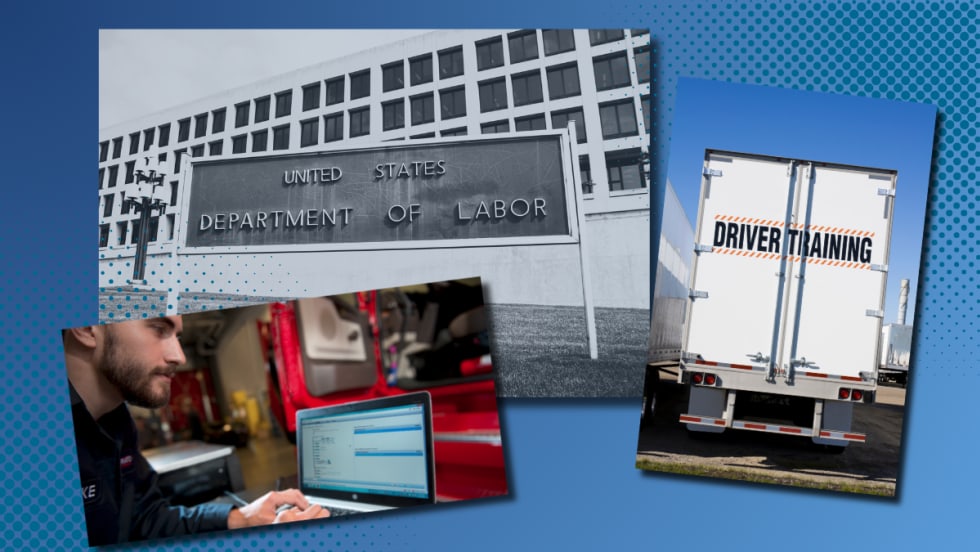
Federal Proposal Would Allow Pell Grants for Shorter-Term Job Training
The Department of Labor plans to expand Pell Grant eligibility to some shorter workforce training programs, a move the American Trucking Associations said will help strengthen commercial driver training schools and diesel technician training programs.
Read More →
Owner-Operator Model Gets Boost as DOL Proposes 2024 Independent Contractor Definition Reversal
For an industry that has watched this issue go back and forth for years, the independent contractor proposal marks the latest swing in the regulatory pendulum.
Read More →
FMCSA Reinstates Field Warrior ELD to Registered Device List
One electronic logging device has been reinstated to the FMCSA's list of registered ELDs.
Read More →
How One Company is Using Smart Suspension Technology to Reduce Driver Injuries and Improve Retention
America’s Service Line adopted Link’s SmartValve and ROI Cabmate systems to address whole-body vibration, repetitive strain, and driver turnover. The trucking fleet is already seeing measurable results.
Read More →
CarriersEdge Announces 2026 Best Fleets to Drive For
The 18th annual contest recognizing the best workplaces for truck drivers sees changes to Top 20, Hall of Fame
Read More →
FMCSA Targets 550+ ‘Sham’ CDL Schools in Nationwide Sting Operation
The Federal Motor Carrier Safety Administration issued more than 550 notices of proposed removal to commercial driver training providers following a five-day nationwide enforcement sweep. Investigators cited unqualified instructors, improper training vehicles, and failure to meet federal and state requirements.
Read More →