




As the anticipated boost in demand for freight transportation approaches, the U.S. may need to give more urgency to congestion and transportation infrastructure.
Study Recommends Infrastructure Overhaul
As the anticipated boost in demand for freight transportation approaches, the U.S. may need to give more urgency to congestion and transportation infrastructure
by Staff
June 12, 2009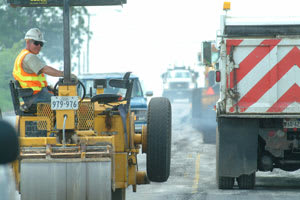
Copyright Texas Transportation Institute - 2004
3 min to read
According to a recent study conducted by the Rand Corporation, the U.S. freight system is threatened by bottlenecks, inefficient use of infrastructure, disruptions as well as environmental and energy problems.
"There's an opportunity now for the United States to develop policies and plans that will improve the flexibility and security of the freight transportation system, which is currently vulnerable to a host of dangers that could cause costly disruptions, whether from a terrorist attack or a natural disaster, such as an earthquake," said Richard Hillestad, lead author of the study and senior principal research with Rand. "The whole functionality of freight transportation is built on reliability and speed, and those elements need to be protected."
Rand's research points out the importance of the freight transportation system, which moves about $40 billion worth of goods each day. If performance and efficiency of the system goes awry, the consequences fall on the consumer, who would have to pay higher prices, Rand says. In addition, capacity on the nation's highways, port and railroads are reaching their limits in key urban areas.
The research surrounding the study involved looking at relevant transportation reports and conducting interviews with operators of both U.S. and foreign ports, local and regional transportation planners, railroad executives, trucking and sea-shipping industry representatives and companies that use the freight transportation system, including large and small retailers, auto manufacturers, raw-material shippers and chemical-product suppliers.
Rand came up with four key freight transportation issues that need attention:
*Expanding the capacity of the U.S.' national and international freight systems. The study not only recommends increasing the number of roads and rail lines, but also advocates implementing regulations, pricing, technology, improved operating practices and selective infrastructure investments.
*Making the freight transportation system more adaptable, less vulnerable and more resilient, which could be done by conducting system-level modeling to find out where congestion occurs. Researchers also suggest that shippers use different ports, not simply the largest.
*Prioritizing energy and environmental issues related to freight transportation. Emissions can be reduced by boosting the operational efficiency of freight transportation. The industry could implement direct mitigation technologies such as cleaner fuel, better engines and more aerodynamic vehicles. Twenty-five percent of the nation's hydrocarbon fuel use is created by transportation, one-fourth of which is freight transportation.
*Emphasizing the importance of public and private investment in infrastructure.
The study was funded by the Dow Chemical Company, the U.S. Chamber of Commerce, the Port Authority of New York and New Jersey, Union Pacific Railroad, the Port of Long Beach and the Port of Los Angeles.
The study, "Fast Forward: Key Issues in Modernizing the U.S. Freight Transportation System for Future Economic Growth," is available at www.rand.org.
More Drivers

FMCSA Extends Paper Medical Card Exemption … Again
Five states still aren't ready to accept commercial driver medical exam information directly from the medical examiner's registry.
Read More →
Mack Launches Digital Driver Guide for Chassis-Specific Truck Info
Mack’s new, virtual owner’s manual delivers VIN-based, on-demand guidance for vehicle systems via web, app, and soon in-cab displays.
Read More →
Western Star Showcases Truckers' Pride and Skill
Western Star is expanding its Star Nation Experience in 2026, adding new competitions and dealer participation to highlight operator skills and promote careers in trucking.
Read More →
Best Fleets to Drive For: Two Carriers Earn Overall Award for First Time
CarriersEdge announced the 2026 Best Fleets to Drive For overall winners, with Crawford Trucking, Fortigo Freight Services, and FTC Transportation receiving top awards.
Read More →
Federal Proposal Would Allow Pell Grants for Shorter-Term Job Training
The Department of Labor plans to expand Pell Grant eligibility to some shorter workforce training programs, a move the American Trucking Associations said will help strengthen commercial driver training schools and diesel technician training programs.
Read More →
Owner-Operator Model Gets Boost as DOL Proposes 2024 Independent Contractor Definition Reversal
For an industry that has watched this issue go back and forth for years, the independent contractor proposal marks the latest swing in the regulatory pendulum.
Read More →
FMCSA Reinstates Field Warrior ELD to Registered Device List
One electronic logging device has been reinstated to the FMCSA's list of registered ELDs.
Read More →
How One Company is Using Smart Suspension Technology to Reduce Driver Injuries and Improve Retention
America’s Service Line adopted Link’s SmartValve and ROI Cabmate systems to address whole-body vibration, repetitive strain, and driver turnover. The trucking fleet is already seeing measurable results.
Read More →
CarriersEdge Announces 2026 Best Fleets to Drive For
The 18th annual contest recognizing the best workplaces for truck drivers sees changes to Top 20, Hall of Fame
Read More →
FMCSA Targets 550+ ‘Sham’ CDL Schools in Nationwide Sting Operation
The Federal Motor Carrier Safety Administration issued more than 550 notices of proposed removal to commercial driver training providers following a five-day nationwide enforcement sweep. Investigators cited unqualified instructors, improper training vehicles, and failure to meet federal and state requirements.
Read More →