




Carriers and 3PLs are increasingly working together to use technology to eliminate blind spots in the movement of containers in the last mile - the final customer destination. So says a new report, Intermodal Optimization - Enhancing Last Mile Visibility and Execution, just published by the Aberdeen Group.
Commissioned by cloud transportation technology provider IAS, the report surveys 58 intermodal freight users out of 123 North American BCOs, 3PLs and carriers first interviewed for Aberdeen's August 2011 study Integrated Transportation in a Capacity Constrained Global Market. The goal was to analyze how challenges intermodal users face differed from their single-mode counterparts, how they were coping with current global intermodal requirements and what technology strategies were being adopted in response.
Compared to the others, intermodal users - companies moving containers to and from ocean ports and rail ramps, mainly as part of international shipments - face more complex requirements. These include not only coordinating equipment and container movements from port, rail, truck and inland customer delivery locations, but also the tracking and return of the containers to the port designated by the container owner. The challenge is magnified by the lengthening of global container supply chains, says the report.
Intermodal users are three times more likely to have automated the exchange of information, 2.9 times more likely to scorecard transportation activities and 1.6 times more likely to have visibility tools to support backhauling against empty miles, finds the report. Yet, "although they can be characterized as 'early adopters' of automated data exchange compared with single mode users, still only 57% of the intermodal users in the study had visibility and optimization tools in place to manage last mile execution," says report author Bob Heaney, Aberdeen senior research analyst, supply chain management.
The report highlights the particular challenges of improving visibility in North American operations due to the many parties controlling first and last mile deliveries to shipper/3PL distribution centers, including a large pool of independent motor carriers. Based on its research findings, Aberdeen recommends the use of existing collaborative cloud-based platforms as the swiftest and most flexible route to bring all the relevant partners onboard and achieve the required levels of visibility.
Study Says Last Mile Visibility a Growing Focus in Intermodal
Carriers and 3PLs are increasingly working together to use technology to eliminate blind spots in the movement of containers in the last mile - the final customer destination. So says a new report, Intermodal Optimization - Enhancing Last Mile Visibility and Execution, just published by the Aberdeen Group
More Fleet Management

'Beyond Compliance,' Regulations, Driver Coaching on ATRI’s 2026 Research List
The American Transportation Research Institute will examine driver coaching, regulatory impacts — including the "Beyond Compliance" concept —and weather disruptions that shape trucking operations.
Read More →
Fleet Advantage's Brian Antonellis on the Growing Need to Replace Old Trucks
Fleet Advantage's Brian Antonellis says it's time for fleets to get back to the fundamentals of good maintenance practices. And that includes replacing older, inefficient equipment.
Read More →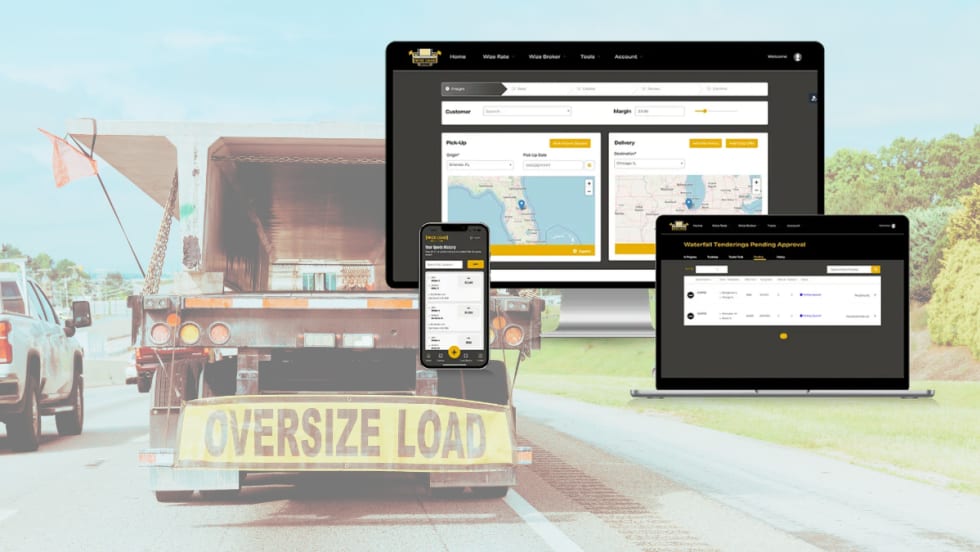
Truckstop.com Adding to Open Deck, Heavy Haul Offerings
Load matching for flatbed, lowbed, oversize and overweight loads can't be automated like basic van freight, but Truckstop.com is adding more high-tech tools to help.
Read More →
Trucker Path, Truckstop.com Expand Load Access Partnership
An expanded Trucker Path and Truckstop.com integration brings more freight opportunities into the TruckLoads app while emphasizing security and network quality.
Read More →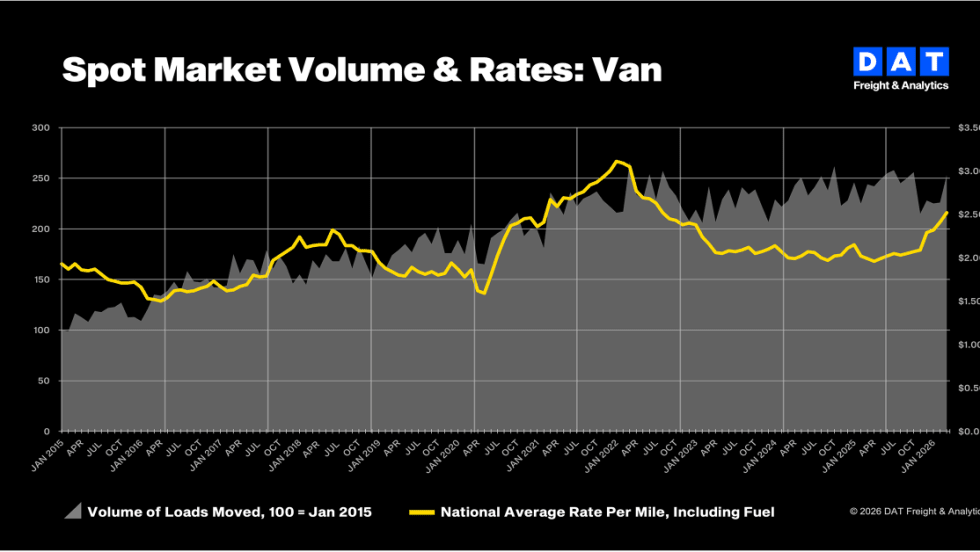
Truckload Rates Hit Two-Year Highs as Diesel Costs Surge, DAT Says
Strong March freight demand combined with a spike in fuel costs pushed both spot and contract truckload rates to their highest levels in more than two years.
Read More →
The AI Conversation You Need to Have with Your TMS Provider
Everyone’s talking about AI — but is your transportation management system actually built for it?
Read More →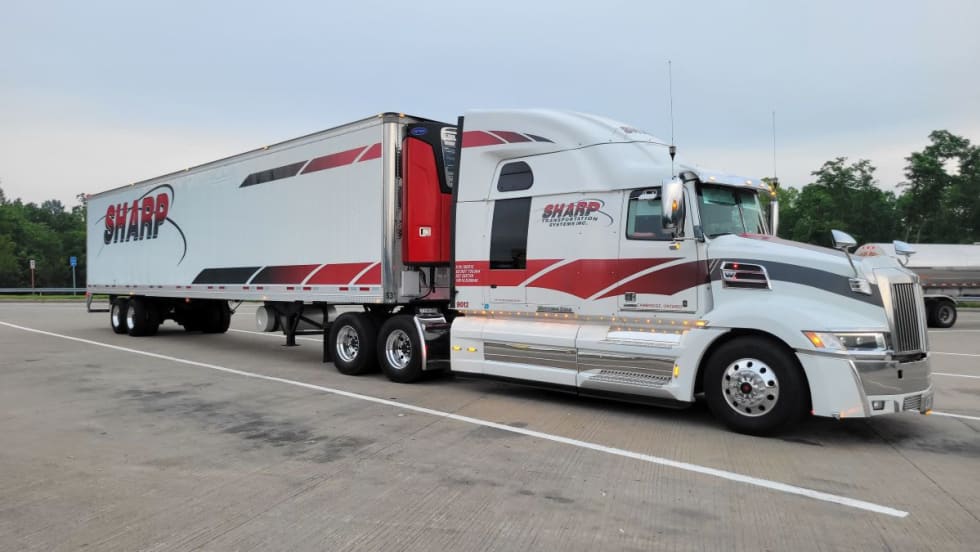
Kriska Buys Fellow Canadian Carrier Sharp Transportation Systems
Being part of KTG will allow Sharp to expand and improve its services.
Read More →
Bill in House Would Raise Minimum Insurance for Motor Carriers to $5 Million
The Fair Compensation for Truck Crash Victims Act would increase insurance requirements for interstate motor carriers by nearly seven times.
Read More →
FTR Trucking Conditions Index Hits Four-Year High in February
Strong freight rates push TCI to 10.2, but FTR expects fuel-price volatility to skew March results.
Read More →
C.H. Robinson Offers Carriers Relief as Diesel Prices Surge
C.H. Robinson is waiving fees on fuel cards and cash advances for April and May, aiming to help carriers offset rising diesel costs tied to geopolitical instability.
Read More →