




The answer to achieving reductions in greenhouse gas emissions may not necessarily be the greater use of freight rail, but we should consider improved access to intermodal terminals, equalization of rail and truck standards for production of potent NOx exhaust
Switching to Rail Freight May Not Be the Greenest Option
The answer to achieving reductions in greenhouse gas emissions may not necessarily be the greater use of freight rail, but we should consider improved access to intermodal terminals, equalization of rail and truck standards for production of potent NOx exhaus
by Staff
December 17, 2009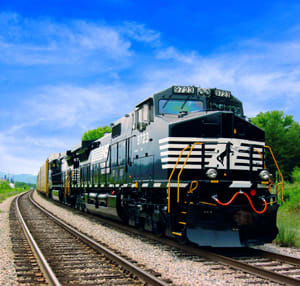
One option for a greener transport system would be a transloading model, where truck is used for local transport and rail for the intercity movement. Photo courtesy of Norfolk Southern
2 min to read
and modifying existing truck size and weight regulations, according to Noel Perry, author of Transportation Fundamentals. In his analysis, Perry questions government efforts to encourage greater use of freight rail to produce a greener transportation system.
"Existing market forces have already done an excellent job of maximizing fuel efficiency by allowing rail and truck to do what they do best," Perry said.
While Perry agrees that rail is far more fuel efficient than truck, he says that this is just part of the energy equation. In examining fuel efficiency, he says you need to look at the complete supply chain from start to finish, including the local pick-up and delivery function for which trucks are far more efficient than rail. When taking all of this into account, most freight currently moving by truck would consume more energy if coverted to a 100 percent rail move, he says.
Perry suggests a transloading model, where truck is used for local transport and rail for the intercity movement. Government efforts should be directed at creation of more such truck/rail interchange terminals to make this option more accessible.
Perry also recommends modifying existing truck size and weight standards, which have not changed in over 20 years. Both energy efficiency and safety would be improved by the operation of larger, but fewer trucks, he believes.
Another way to reduce greenhouse gas emissions would be to apply current truck standards for the emission of NOx greenhouse gases to the railroads. One unit of NOx produces 310 times the global warming effect of one unit of CO2, the gas normally tracked in carbon comparisons. Perry says that as a result of the differences in regulation between truck and rail engines, rail locomotives currently emit an average of 4.5 times more NOx per horsepower-hour than truck. Even after both truck and rail NOx emission regulations are tightened, new locomotives will still emit 6.5 times more NOx per horsepower-hour than new trucks.
Transport Fundamental Newsletter is a monthly commentary on transport economics and its impact on the North American heavy freight market published by Transport Fundamentals, Inc. and distributed by FTR Associates.
For more information, visit www.ftrassociates.com.
More Fleet Management

'Beyond Compliance,' Regulations, Driver Coaching on ATRI’s 2026 Research List
The American Transportation Research Institute will examine driver coaching, regulatory impacts — including the "Beyond Compliance" concept —and weather disruptions that shape trucking operations.
Read More →
Fleet Advantage's Brian Antonellis on the Growing Need to Replace Old Trucks
Fleet Advantage's Brian Antonellis says it's time for fleets to get back to the fundamentals of good maintenance practices. And that includes replacing older, inefficient equipment.
Read More →
Truckstop.com Adding to Open Deck, Heavy Haul Offerings
Load matching for flatbed, lowbed, oversize and overweight loads can't be automated like basic van freight, but Truckstop.com is adding more high-tech tools to help.
Read More →
Trucker Path, Truckstop.com Expand Load Access Partnership
An expanded Trucker Path and Truckstop.com integration brings more freight opportunities into the TruckLoads app while emphasizing security and network quality.
Read More →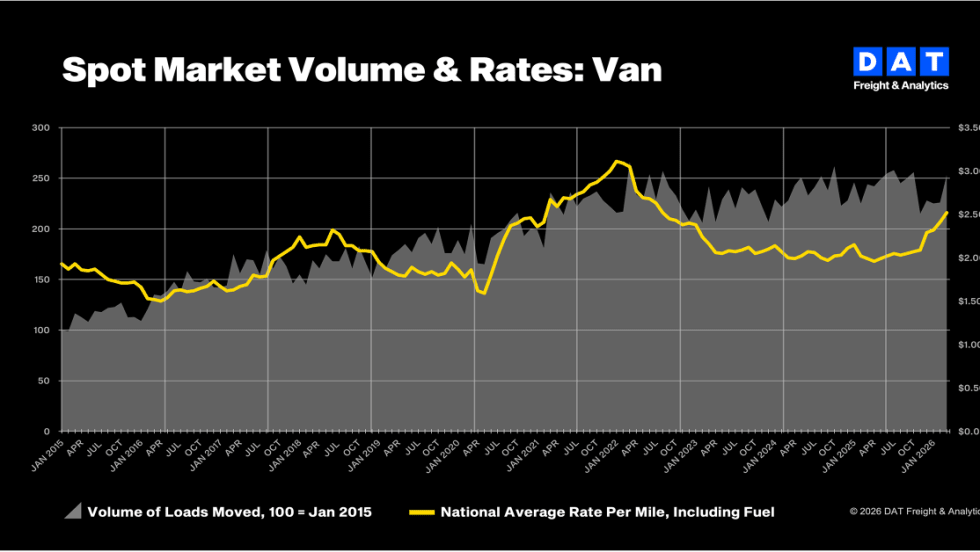
Truckload Rates Hit Two-Year Highs as Diesel Costs Surge, DAT Says
Strong March freight demand combined with a spike in fuel costs pushed both spot and contract truckload rates to their highest levels in more than two years.
Read More →
The AI Conversation You Need to Have with Your TMS Provider
Everyone’s talking about AI — but is your transportation management system actually built for it?
Read More →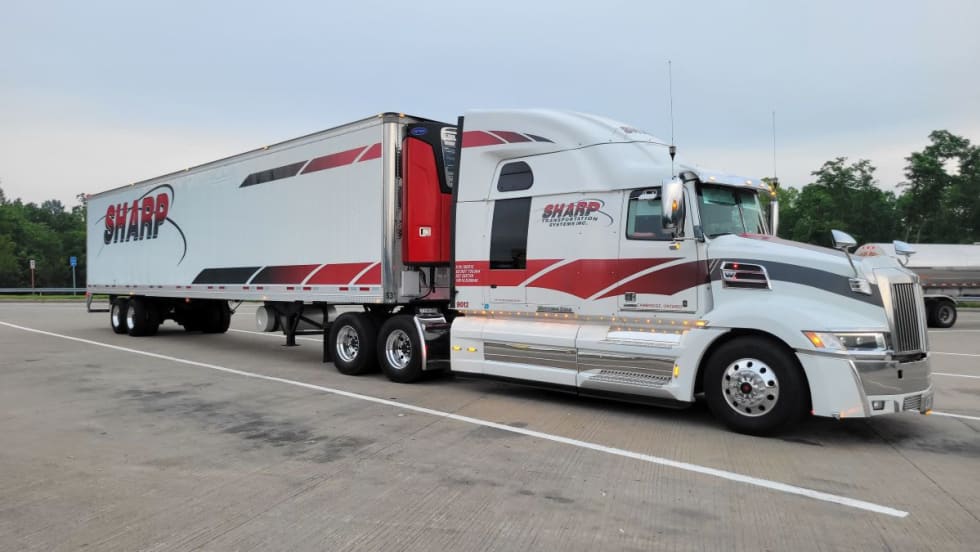
Kriska Buys Fellow Canadian Carrier Sharp Transportation Systems
Being part of KTG will allow Sharp to expand and improve its services.
Read More →
Bill in House Would Raise Minimum Insurance for Motor Carriers to $5 Million
The Fair Compensation for Truck Crash Victims Act would increase insurance requirements for interstate motor carriers by nearly seven times.
Read More →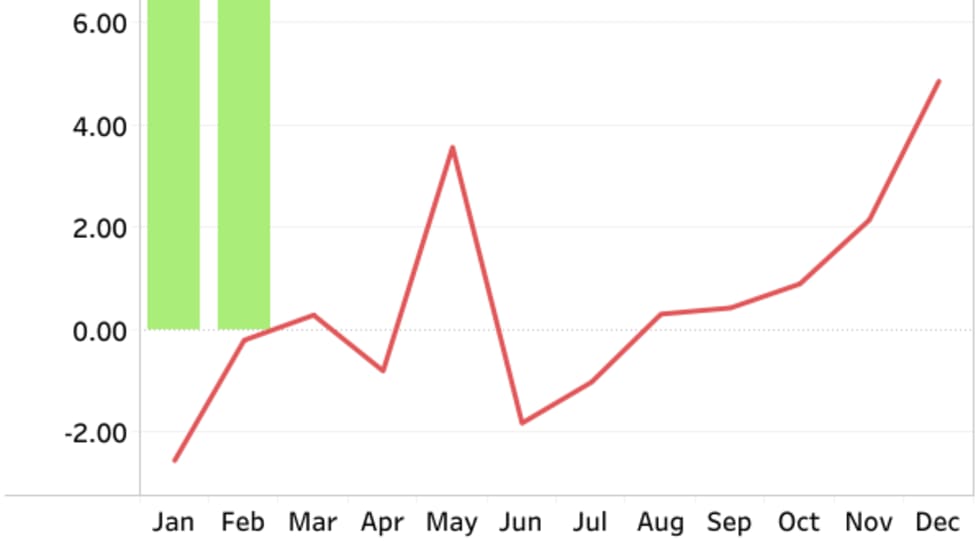
FTR Trucking Conditions Index Hits Four-Year High in February
Strong freight rates push TCI to 10.2, but FTR expects fuel-price volatility to skew March results.
Read More →
C.H. Robinson Offers Carriers Relief as Diesel Prices Surge
C.H. Robinson is waiving fees on fuel cards and cash advances for April and May, aiming to help carriers offset rising diesel costs tied to geopolitical instability.
Read More →