




The Transport Capital Partners (TCP) 4th Quarter 2011 Business Expectations Survey finds 73 percent of responding carriers will not be adding any significant capacity until rates improve, providing a better return on their investment.
TCP: Carriers Resist Adding Capacity on Poor ROI
The Transport Capital Partners (TCP) 4th Quarter 2011 Business Expectations Survey finds 73 percent of responding carriers will not be adding any significant capacity until rates improve, providing a better return on their investment
by Staff
January 11, 2012
Carrier won't be making significant equipment investments until they see the rate increases needed to recoup that investment, says TCP. (Photo by Jim Park)
2 min to read
The total number of carriers who expect to add 0-5 percent capacity has remained steady for the last two quarters, TCP reports.
"Carriers tell us that rates are not covering investment risks, nor are they close to covering the record prices of new trucks," says Richard Mikes, TCP Partner and survey leader.
Mikes says about 25 percent of the carriers surveyed said then would need an operating ration in 87-90 range before they would see an ROI sufficient to prompt investment in new tractors.
"Half the group says they would need an operating ratio of 91-94," Mikes notes. "If a carrier is asset intensive and financing equipment, it is difficult to show a net margin with a 95+ OR."
When split between large and small carriers (more or less than $25 million in revenue), the survey found 53% of larger carriers said they were achieving an adequate rate of return to spur investment in new equipment compared to just 41% of smaller carriers.
"Fifty-three percent is hardly a ringing endorsement that rates are adequate for the investment needed and the risks taken by the larger carriers," notes TCP partner, Lana Batts.
Operating ratios and return on investment aside, nearly 70 percent of the carriers surveyed indicated they were currently unable to seat all the trucks they currently have.
Those three factors alone explain why carriers, as a whole, are not interested in growing their fleets dramatically, even in the face of expected volume increases. Most truck purchases today are intended to replace aging equipment, not to expand operations, the survey finds.
Both Mikes and Batts agree that with low, two-percent GDP growth forecasts for 2012, the 15-20 percent reduction in the national fleet seen during the recession will not be made up until carriers see higher rates to compensate for escalating costs and regulatory constraints of CSA and hours of service.
To read the press release on TCP's recent survey regarding volumes and rates, click here.
See www.transportcap.com for more details about TCP services.
More Fleet Management

'Beyond Compliance,' Regulations, Driver Coaching on ATRI’s 2026 Research List
The American Transportation Research Institute will examine driver coaching, regulatory impacts — including the "Beyond Compliance" concept —and weather disruptions that shape trucking operations.
Read More →
Fleet Advantage's Brian Antonellis on the Growing Need to Replace Old Trucks
Fleet Advantage's Brian Antonellis says it's time for fleets to get back to the fundamentals of good maintenance practices. And that includes replacing older, inefficient equipment.
Read More →
Truckstop.com Adding to Open Deck, Heavy Haul Offerings
Load matching for flatbed, lowbed, oversize and overweight loads can't be automated like basic van freight, but Truckstop.com is adding more high-tech tools to help.
Read More →
Trucker Path, Truckstop.com Expand Load Access Partnership
An expanded Trucker Path and Truckstop.com integration brings more freight opportunities into the TruckLoads app while emphasizing security and network quality.
Read More →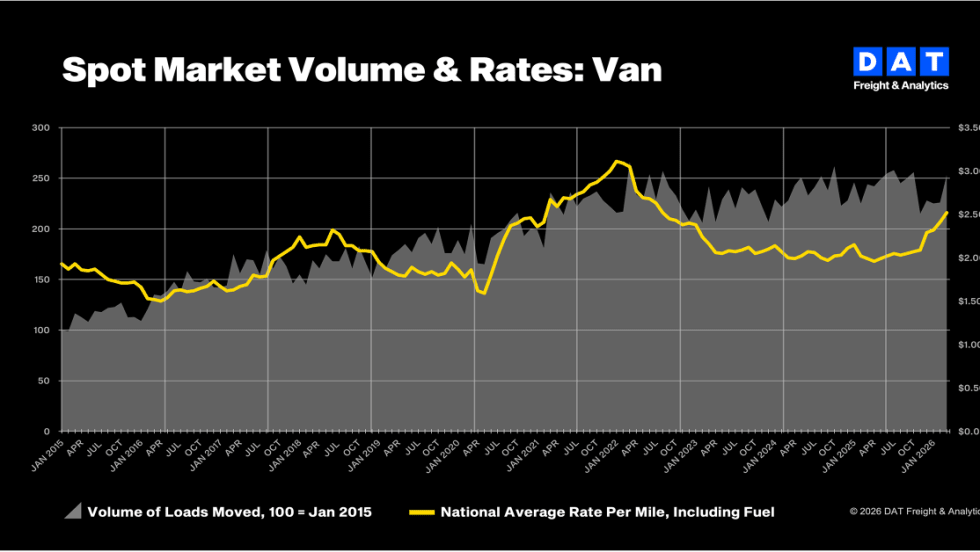
Truckload Rates Hit Two-Year Highs as Diesel Costs Surge, DAT Says
Strong March freight demand combined with a spike in fuel costs pushed both spot and contract truckload rates to their highest levels in more than two years.
Read More →
The AI Conversation You Need to Have with Your TMS Provider
Everyone’s talking about AI — but is your transportation management system actually built for it?
Read More →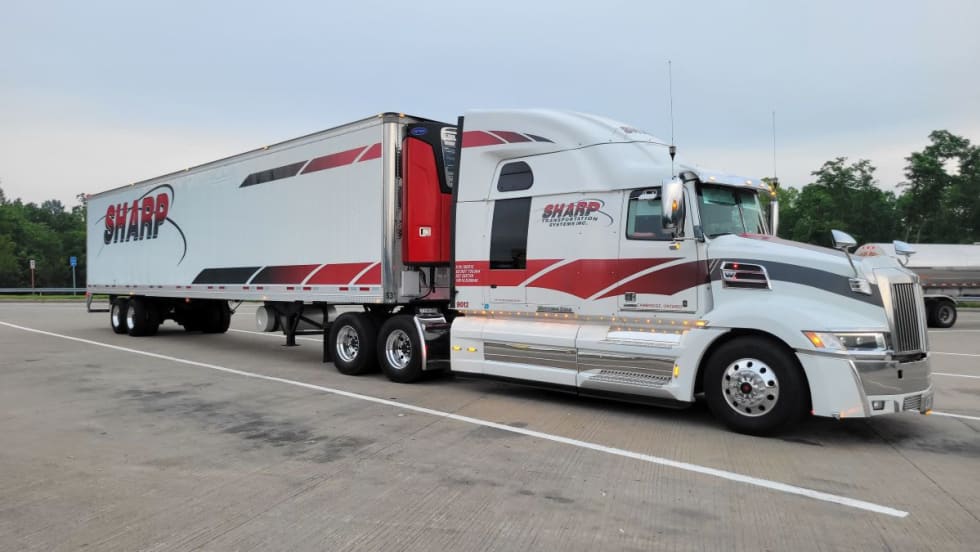
Kriska Buys Fellow Canadian Carrier Sharp Transportation Systems
Being part of KTG will allow Sharp to expand and improve its services.
Read More →
Bill in House Would Raise Minimum Insurance for Motor Carriers to $5 Million
The Fair Compensation for Truck Crash Victims Act would increase insurance requirements for interstate motor carriers by nearly seven times.
Read More →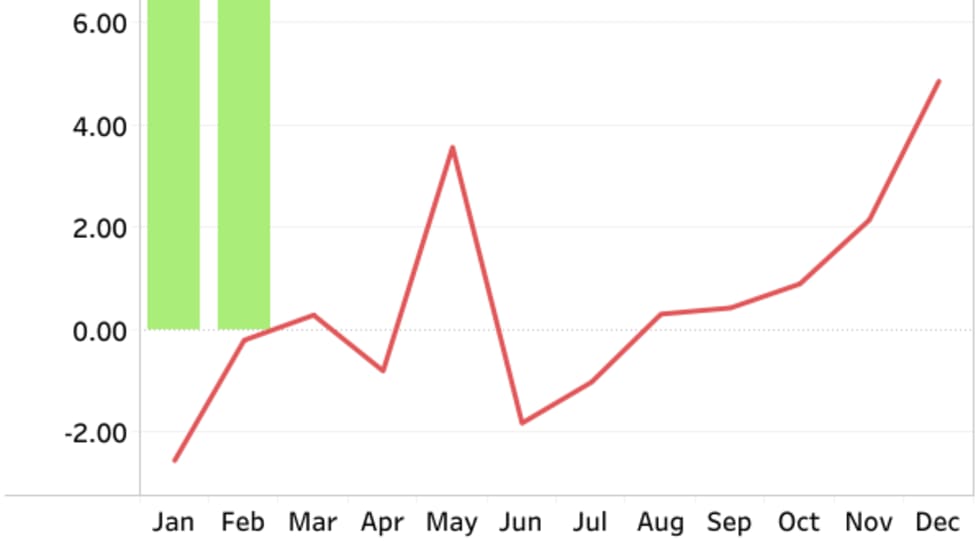
FTR Trucking Conditions Index Hits Four-Year High in February
Strong freight rates push TCI to 10.2, but FTR expects fuel-price volatility to skew March results.
Read More →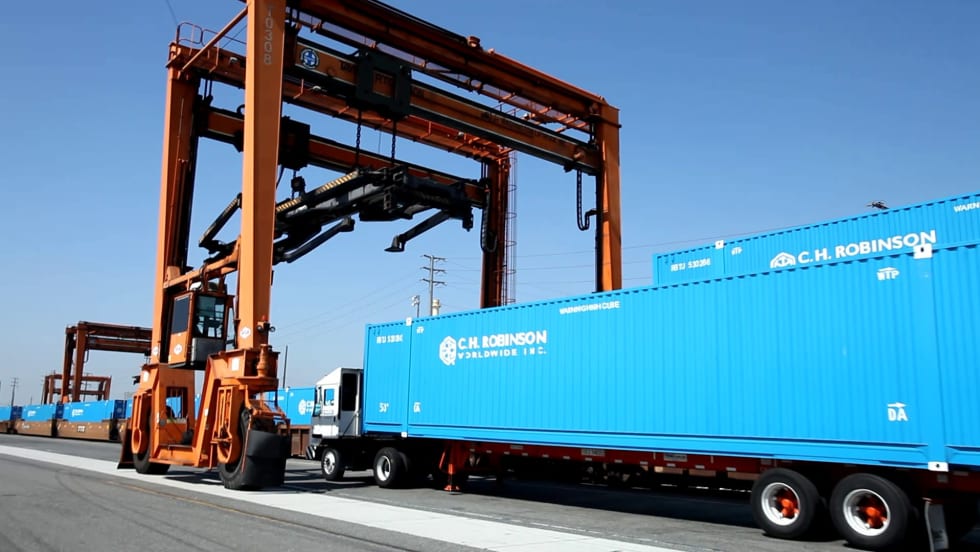
C.H. Robinson Offers Carriers Relief as Diesel Prices Surge
C.H. Robinson is waiving fees on fuel cards and cash advances for April and May, aiming to help carriers offset rising diesel costs tied to geopolitical instability.
Read More →