





Work is underway on a long-overdue TMC Recommended Practices document addressing excessive applied stroke in S-cam brakes – a problem too often incorrectly addressed by adjusting the automatic brake slack adjuster. The RP will provide a diagnostic and troubleshooting guide to help technicians repair the actual cause of an brake taken out of service because of excessive push-rod travel.
TMC Developing S-Cam Brake Troubleshooting Guide
Work is underway on a long-overdue TMC Recommended Practices document addressing excessive applied stroke in S-cam brakes – a problem too often incorrectly addressed by adjusting the automatic brake slack adjuster.
March 8, 2018
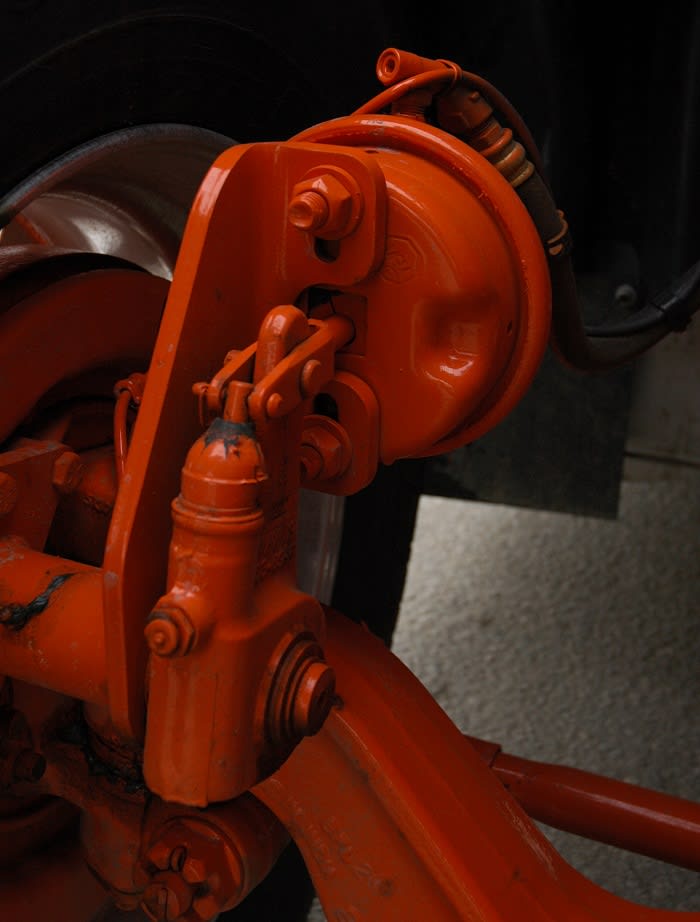
Ever since automatic brake adjusters (ABA, also called automatic slack adjusters) were first required by law in 1994, many drivers and surprisingly, brake technicians, still respond to an over-stroking S-cam brake by manually readjusting the device rather than determining the root cause of the problem. Photo: Jim Park
3 min to read

Discussions took place during the March 5 S.6 Chassis & Brake Task Force meeting, "Proper Diagnosis of S-cam Out-of-service Criteria," at the annual meeting of the ATA's Technology & Maintenance Council meeting in Atlanta. The task force committee was refining the wording of the RP.
Ever since automatic brake adjusters (ABA, also called automatic slack adjusters) were first required by law in 1994, many drivers and surprisingly, brake technicians, still respond to an over-stroking S-cam brake by manually readjusting the device rather than determining the root cause of the problem. By design, an ABA will self-adjust based on either the application stroke (stroke-sensing ABA models) or the return stroke (clearance-sensing ABA models) of the adjuster and find their own stroke length based on the conditions it senses. Unfortunately, a manually readjusted ABA will return to an over-stroke condition in just a few brake applications if some other physical problem exists with the foundation brake, the parking brake or any other component in the wheel-end brake assembly.
This RP will walk the technician through a troubleshooting tree that will determine the cause of the over-stroke so appropriate steps can be taken to solve the problem.
"All too often, the root cause of the excessive applied stroke condition is not diagnosed properly," said task force chairman, Glen Cram of Meritor. "It became clear during our research that no publication out there in the industry really gives the technician a clear-cut way to determine how to diagnose this problem."
When complete, the RP will take the technician through an eight-step process from confirming that an over-stroke condition actually exists (not just a faulty stroke measurement) to removing the wheel and inspecting lining and drum condition as well as the physical condition of the foundation brake, from excessive axial rotation of the cam and/or faulty return springs. It will be structured in such a way that the least invasive and most-likely-cause steps come first. The final step will be how to test the ABA for proper function.
Why you shouldn't adjust your slack adjusters
The risk in manually adjusting ABAs (except when an ABA is first installed or when reinstalled following wheel-end work) lies in the potential for damage to the ABA or in wearing out the internal adjustment mechanism.
In 2003, the National Transportation Safety Board determined that repeated manual readjustment on an ABA led directly to a fatal collision between a dump truck and a passenger car in Glen Rock, Pennsylvania.
"The National Transportation Safety Board determines that the probable cause of this accident was the lack of oversight by [the company], which resulted in an untrained driver improperly operating an overloaded, air brake-equipped vehicle with inadequately maintained brakes. Contributing to the accident was the misdiagnosis of the truck's underlying brake problems by mechanics involved with the truck's maintenance; also contributing was a lack of readily available and accurate information about automatic slack adjusters and inadequate warnings about the safety problems caused by manually adjusting them."
When this RP is completed, the information technicians need will be easier to find and widely available to anyone working with automatic brake adjusters on heavy trucks.
More Maintenance
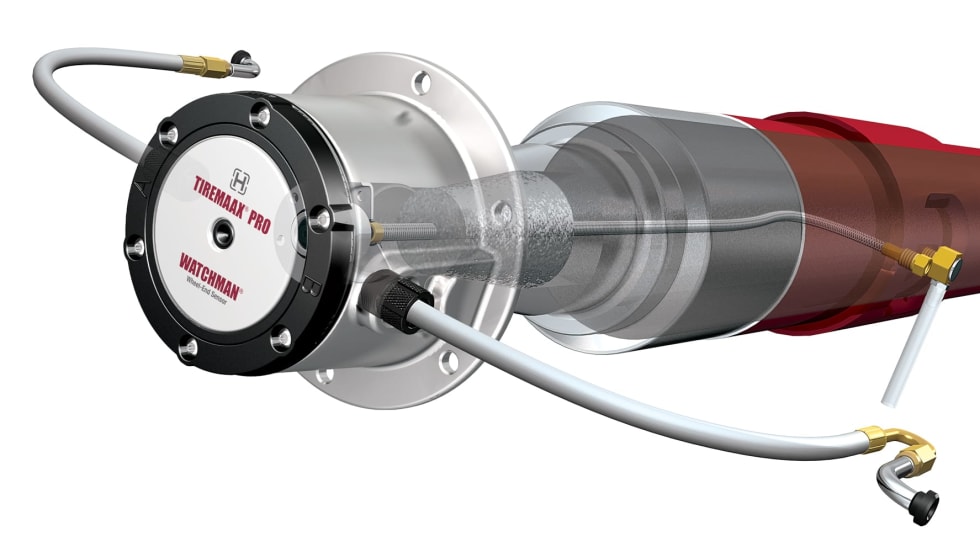
Hendrickson Unveils Watchman Smart Wheel-End System at TMC
Hendrickson’s new sensor platform integrates with its TireMaax system to deliver real-time tire and wheel-end insights, targeting uptime and cost savings.
Read More →
Over-the-Air Updates and the Modern Powertrain Explained
Over-the-air updates are moving beyond recalls, and expanding how fleets manage performance, compliance, and uptime.
Read More →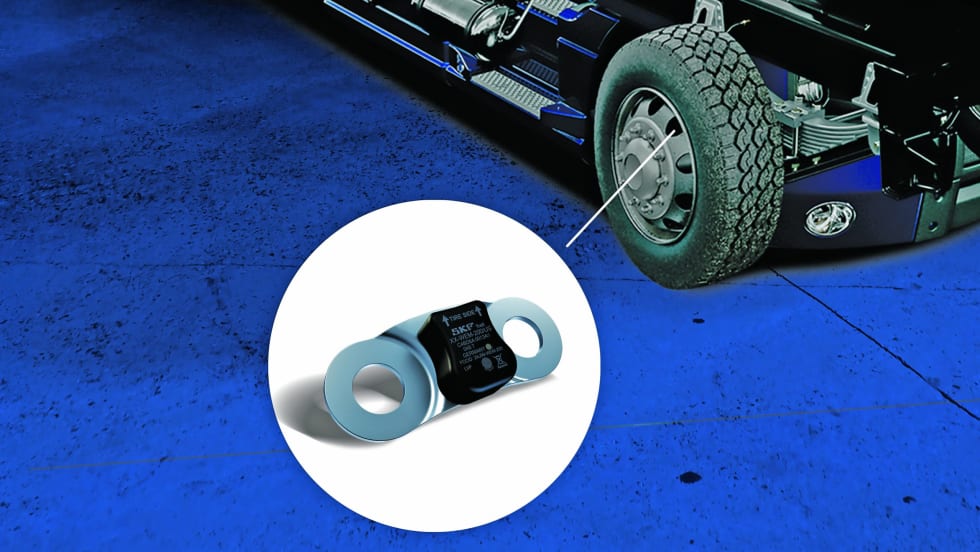
SKF, TMC Expand Hands-On Training to Boost Technician Skills at Annual Meeting
A new partnership between SFK and TMC brings certified, on-site instruction focused on wheel-end reliability and maintenance best practices.
Read More →
Why Higher Pay Isn’t Fixing the Heavy-Duty Technician Shortage
Hiring heavy-duty truck technicians has become a bidding war, but shops that focus on culture, training, and career paths are gaining an edge. That's the takeaway from a TMC panel discussion.
Read More →
Technology & Maintenance Council 2026 Annual Meeting [Photos]
Couldn't make it to Nashville for TMC's 2026 annual meeting? Check out these images.
Read More →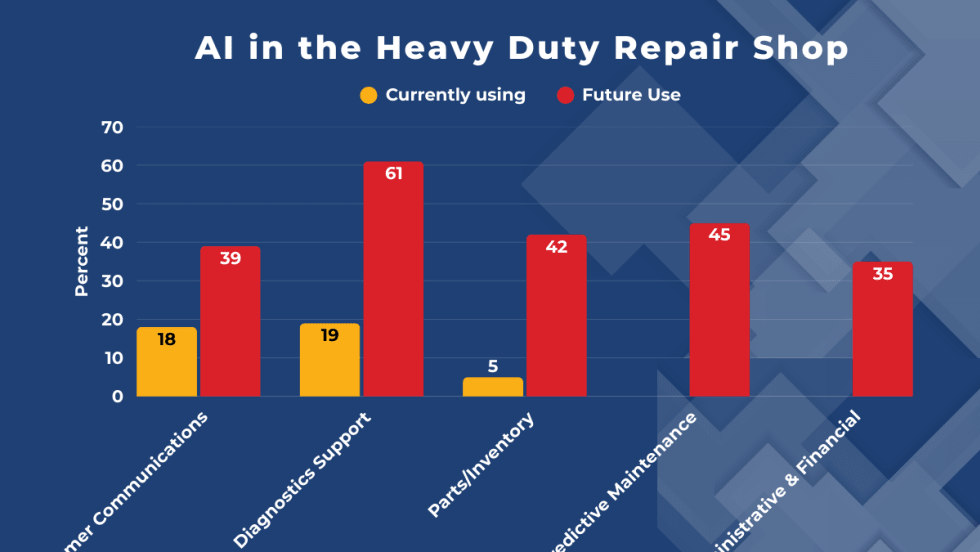
Fullbay Report: Heavy-Duty Shop Revenue Up, Rates Rising, but Shops Still Short on Techs
Strong growth across the heavy-duty repair sector is being tempered by workforce shortages and an aging technician pipeline.
Read More →
How Mack Sees the Next Era of Fleet Intelligence
Telematics has evolved from simple vehicle tracking into a connected service platform that can help fleets boost uptime, improve specifications, and move toward predictive maintenance. Mack executives say AI is now giving fleets a way to turn all that vehicle data into faster, smarter decisions.
Read More →
Clarios Expands Battery Monitoring Into Subscription Service with Battery Manager Pro
A new battery-monitoring-as-a-service program from Clarios Connected Services uses predictive analytics and automatic replacement to reduce downtime and smooth fleet maintenance costs.
Read More →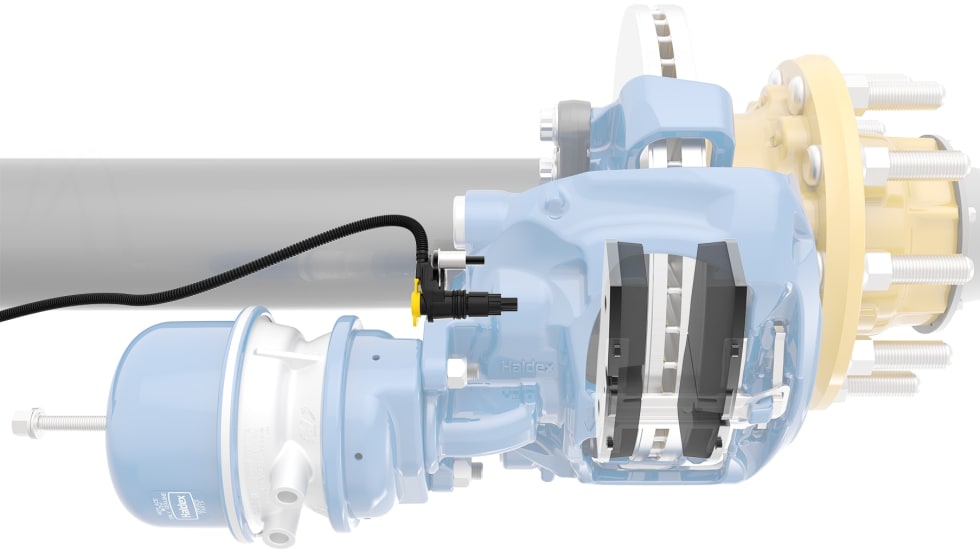
SAF-Holland’s BrakeSight Aims to Take the Guesswork Out of Air Disc Brake Maintenance
New Haldex sensor technology from SAF-Holland integrates with telematics systems to give fleets continuous insight into air disc brake condition.
Read More →
Vanair Introduces Solar, Battery Power Ecosystem for Class 8 Trucks
The company’s expanded EPEQ ecosystem includes flexible solar panels, lithium batteries, hydraulic power systems, and a portable fast charger for electric trucks.
Read More →