




The Equipment Leasing and Finance Association, which represents the $725 billion equipment finance sector, revealed its Top 10 Equipment Acquisition Trends for 2013.
Given that every year U.S. businesses, nonprofits and government agencies spend in excess of $1.2 trillion in capital goods or fixed business investment (including software), financing more than half of those assets, these trends impact a significant portion of the U.S. economy.
Businesses considering acquiring equipment this year will consider numerous end-user benefits while weighing continued uncertainty related to economic conditions and fiscal policies.
Equipment acquisition plays a critical role in driving the supply chains across all U.S. manufacturing and service sectors.
The ELFA has distilled recent research data, including the Equipment Leasing & Finance Foundation's 2013 Equipment Leasing & Finance U.S. Economic Outlook Report and U.S. Equipment Finance Market Study 2012-2013, industry participants' expertise, and member input from ELFA meetings and conferences to provide its best insight for the top 10 Equipment Acquisition Trends for 2013.
ELFA issued the following Top 10 Equipment Acquisition Trends for 2013 to help businesses with their strategic equipment acquisition plans:
1. Corporate perceptions of the economic outlook will be a primary driver of business investment decisions.
Despite pressing considerations such as technological innovations and aging equipment, the economy will be the true barometer for whether or not businesses acquire new equipment in 2013.
2. Equipment investment will pick up in the second half of 2013.
Equipment investment will grow this year, although the rate of growth will be hampered by fiscal uncertainty.
Some companies will remain cautious about taking on large capital investments even now that important decisions impacting short-term fiscal stability have been made.
Equipment acquisition activity will gain momentum through relief from the policy uncertainty that brought the economy to the edge of the fiscal cliff. An improving housing sector will provide an added boost.
3. Pent-up demand will spur investment across varied equipment types.
Demand for replacement equipment will drive investment in the construction, agriculture and transportation categories in particular, while other equipment types will await the replacement cycle. However, greater economic improvements will be needed before significant equipment investment expansion takes place.
4. A continuing low interest rate environment will enable companies to acquire the equipment they need and conserve cash.
The prospect of continued low interest rates at least through 2014 will be an incentive for businesses to acquire equipment through financing and still hold on to their cash for uncertainties.
In addition to maintaining cash flow, equipment financing will help businesses preserve capital and improve expense planning in challenging economic conditions.
5. A majority of U.S. businesses will use some form of financing for equipment acquisition.
In 2013, $742 billion (55%) of the projected $1.3 trillion investment in plant, equipment and software investment in the United States will be financed through loans, leases and lines of credit.
Seven out of 10 businesses will use at least one form of financing to acquire equipment.
6. Business size will impact equipment acquisition.
Size will matter when acquiring equipment in 2013.
Primarily larger businesses anticipate increasing equipment spending over the next 12 months. Small companies' high degree of concern about general economic conditions and less access to credit will temper their equipment acquisition plans.
7. The gaining prominence of cloud computing will transform the way businesses pay for IT investments.
Along with changes in how companies consume software and hardware, cloud computing will spawn new financing options. Companies will look to equipment financiers for variable payment structures in the cloud.
8. Credit market conditions will remain favorable for long-term equipment financing.
Businesses will generally find an improving credit supply as they consider equipment acquisitions.
9. The one-year extension of bonus depreciation may provide incentives for businesses to acquire equipment.
The continuation of the depreciation bonus will allow businesses to deduct up to 50% of the cost of new equipment purchases in 2013.
10. Although the value of lease financing will remain, businesses will begin to adapt their equipment acquisition strategies to comply with long-awaited changes to lease accounting standards.
A new draft of proposed changes to lease accounting standards by the Financial Accounting Standards Board and the International Accounting Standards Board should be announced this year, enabling businesses to begin to evaluate how their balance sheets, earnings and other financials will be affected by equipment financing agreements.
Top 10 Equipment Acquisition Trends for 2013
The Equipment Leasing and Finance Association, which represents the $725 billion equipment finance sector, revealed its Top 10 Equipment Acquisition Trends for 2013. Given that every year U.S. businesses, nonprofits and government agencies spend in excess of $1.2 trillion in capital goods or fixed business investment (including software), financing more than half of those assets, these trends impact a significant portion of the U.S. economy
More Fleet Management

'Beyond Compliance,' Regulations, Driver Coaching on ATRI’s 2026 Research List
The American Transportation Research Institute will examine driver coaching, regulatory impacts — including the "Beyond Compliance" concept —and weather disruptions that shape trucking operations.
Read More →
Fleet Advantage's Brian Antonellis on the Growing Need to Replace Old Trucks
Fleet Advantage's Brian Antonellis says it's time for fleets to get back to the fundamentals of good maintenance practices. And that includes replacing older, inefficient equipment.
Read More →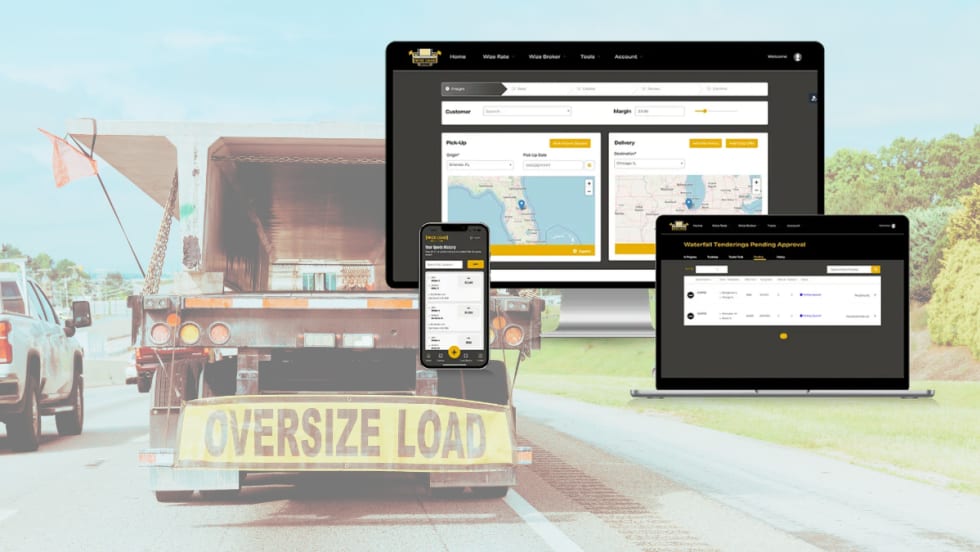
Truckstop.com Adding to Open Deck, Heavy Haul Offerings
Load matching for flatbed, lowbed, oversize and overweight loads can't be automated like basic van freight, but Truckstop.com is adding more high-tech tools to help.
Read More →
Trucker Path, Truckstop.com Expand Load Access Partnership
An expanded Trucker Path and Truckstop.com integration brings more freight opportunities into the TruckLoads app while emphasizing security and network quality.
Read More →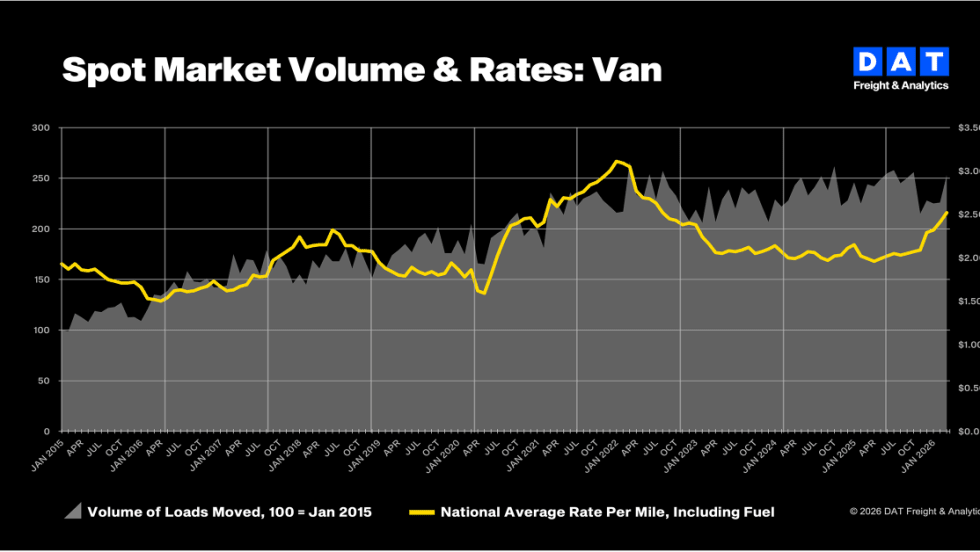
Truckload Rates Hit Two-Year Highs as Diesel Costs Surge, DAT Says
Strong March freight demand combined with a spike in fuel costs pushed both spot and contract truckload rates to their highest levels in more than two years.
Read More →
The AI Conversation You Need to Have with Your TMS Provider
Everyone’s talking about AI — but is your transportation management system actually built for it?
Read More →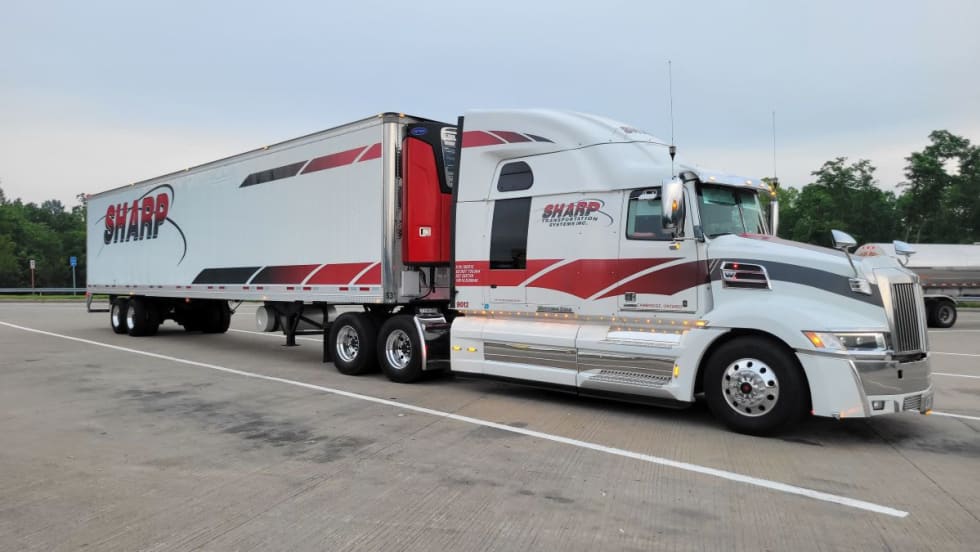
Kriska Buys Fellow Canadian Carrier Sharp Transportation Systems
Being part of KTG will allow Sharp to expand and improve its services.
Read More →
Bill in House Would Raise Minimum Insurance for Motor Carriers to $5 Million
The Fair Compensation for Truck Crash Victims Act would increase insurance requirements for interstate motor carriers by nearly seven times.
Read More →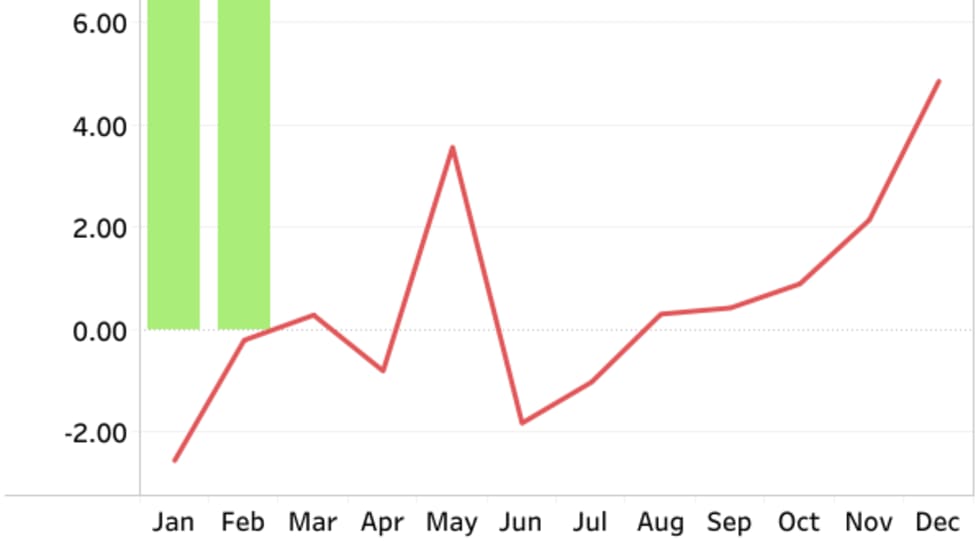
FTR Trucking Conditions Index Hits Four-Year High in February
Strong freight rates push TCI to 10.2, but FTR expects fuel-price volatility to skew March results.
Read More →
C.H. Robinson Offers Carriers Relief as Diesel Prices Surge
C.H. Robinson is waiving fees on fuel cards and cash advances for April and May, aiming to help carriers offset rising diesel costs tied to geopolitical instability.
Read More →