



A bid by conservatives in the House and Senate to effectively eliminate the federal highway program is drawing fire from American Trucking Associations and other transportation interests.
 MENU
MENU SEARCH
A bid by conservatives in the House and Senate to effectively eliminate the federal highway program is drawing fire from American Trucking Associations and other transportation interests.


A bid by conservatives in the House and Senate to effectively eliminate the federal highway program is drawing fire from American Trucking Associations and other transportation interests.
The Transportation Empowerment Act, sponsored by five Senators and 52 Representatives, would devolve control over highways and transit from the federal government to the states.
It also would lower the federal gas tax from 18.4 to 3.7 cents a gallon.
During a five-year transition period, the states would receive federal block grants with fewer federal requirements than are now in place.
On the Senate side, the bill is championed by Ted Cruz, R-Texas, Deb Fischer, R-Neb., Ron Johnson, R-Wisc., and Pat Roberts, R-Kan. Among the sponsors in the House are Reps. John Mica, R-Fla., former chairman of the Transportation and Infrastructure Committee, and Michele Bachman, R-Minn.
Supporters of the bill contend that it would reduce the red tape that can slow up projects, give states more flexibility to levy taxes and create jobs.
ATA and its allies said the bill is “ill-conceived.”
By stripping federal funding from transportation it would virtually eliminate the federal government’s constitutionally mandated role in promoting interstate commerce, the groups said.
Moreover, “The bill reduces funding for the federal-aid highway program by more than 80% by 2019 … with no consideration of the impact on state and local governments or private industry.”
It also would eradicate the federal transit program.
The groups acknowledge that some rules may slow down highway construction projects.
“However, these challenges do not warrant putting the safety of motorists and the health of the nation’s economy at risk by decimating the primary funding program for our nation’s most critical infrastructure,” they say in their letter to Congress.
Another problem with devolution is that the money now in the Highway Trust Fund would simply go away, they add. States would have to replace it by raising tens of billions of dollars in taxes or taking the money from other uses.
If states opted to raise their own fuel taxes, the average levy would go up by 16 cents a gallon and some states would have to go as high as 30 cents, the groups said.
“Devolution represents abandonment by Congress of its constitutional obligation to promote interstate commerce and would prove disastrous to state and local governments’ ability to maintain and improve their transportation systems.”
Devolution is not a solution but a distraction from the ongoing debate over how to pay for national infrastructure, the groups said.
“Congress must act now to avoid prolonging the ongoing funding crisis that is the result of failure to provide long-term stable funding for transportation,” they said.
Joining ATA are 16 national groups, including the U.S. Chamber of Commerce, the American Highway Users Alliance, AAA and the American Society of Civil Engineers.
The federal highway program is now running on a temporary extension that will expire next May. Some in Washington, including Transportation Secretary Anthony Foxx, are urging Congress to complete work on a new bill by the end of the year. But that effort was set back when the House Ways and Means Committee canceled a planned September hearing on transportation finance.

ACT Research data shows volumes hitting a four-year high and supply-demand balance strengthening, but higher oil prices are undercutting tariff relief and tempering optimism.
Read More →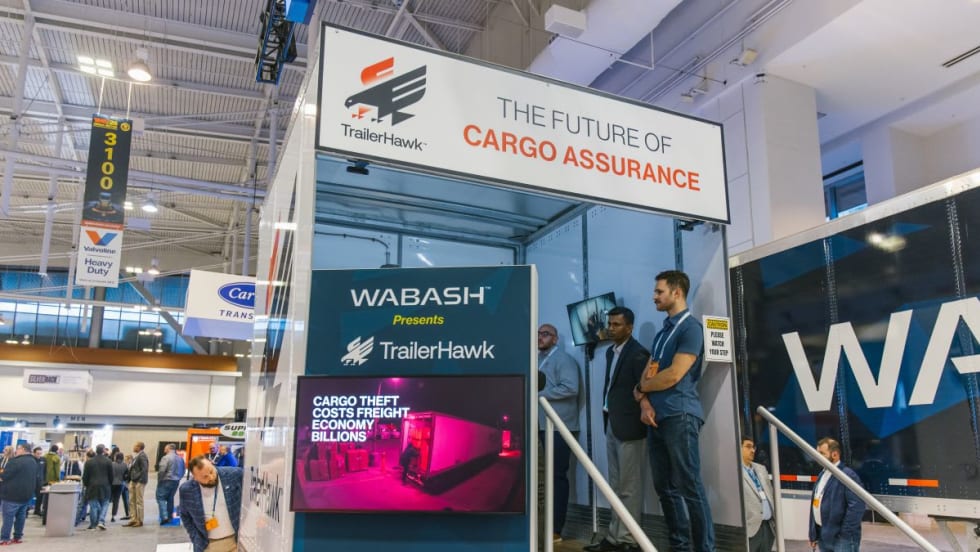
The patent-pending cargo solution integrates a digitally connected cargo door and an intelligent locking system with the TrailerHawk.AI technology platform.
Read More →
The impact of the Iran conflict extends beyond fuel costs, bringing more fraud and cybersecurity risks to the trucking industry.
Read More →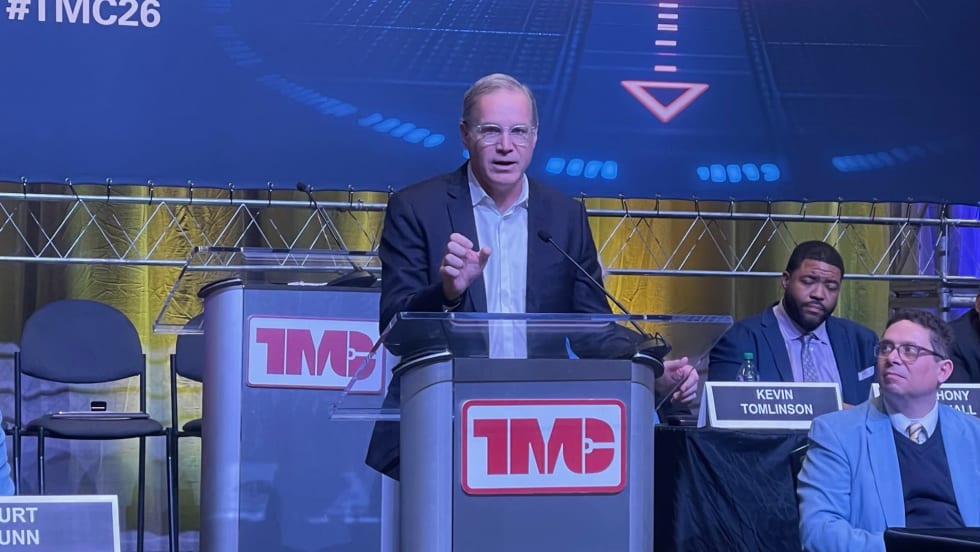
Speaking at the TMC Annual Meeting in Nashville, ATA President Chris Spear said trucking faces mounting pressure from rising fuel prices, geopolitical instability, and uncertainty around trade policy.
Read More →
More than 100,000 new trucking companies enter the industry each year, but regulators manage to audit only a fraction of them. That churn creates opportunities for inexperienced startups — and for “chameleon carriers” that shut down after safety violations and reappear under new identities. Read more from Deborah Lockridge in this commentary.
Read More →
HDTX is an intimate event that connects heavy-duty trucking fleet managers with industry suppliers through small-group discussions, educational sessions, and structured one-on-one meetings.
Read More →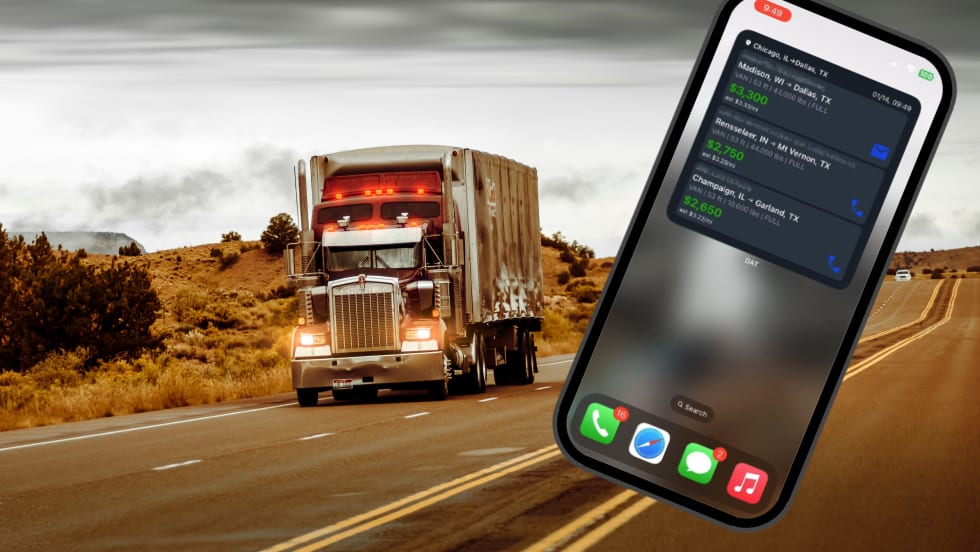
New DAT One feature shows top-paying loads directly on an iPhone’s home screen, helping carriers react faster to spot-market opportunities.
Read More →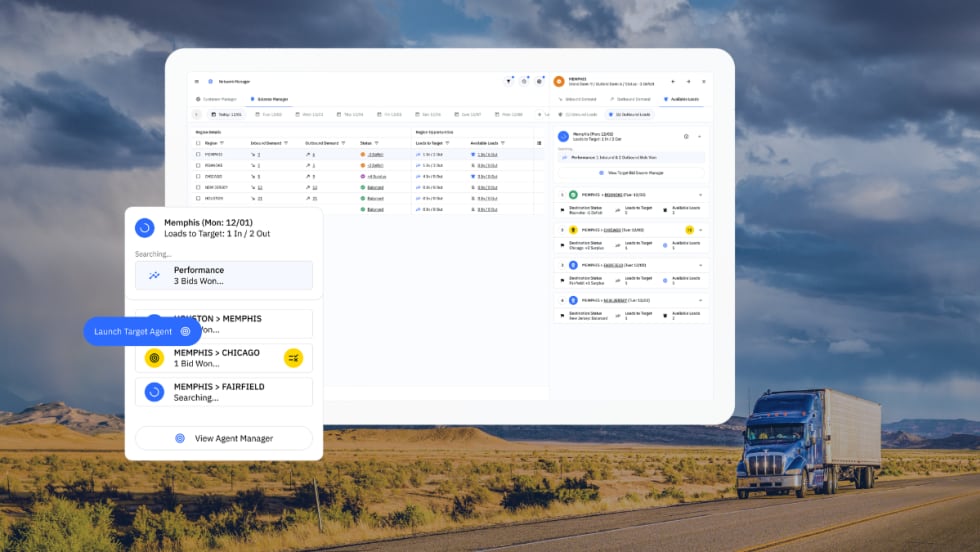
Optimal Dynamics says its new Scale platform uses AI agents and optimization to help carriers find and secure freight that improves network balance and profitability.
Read More →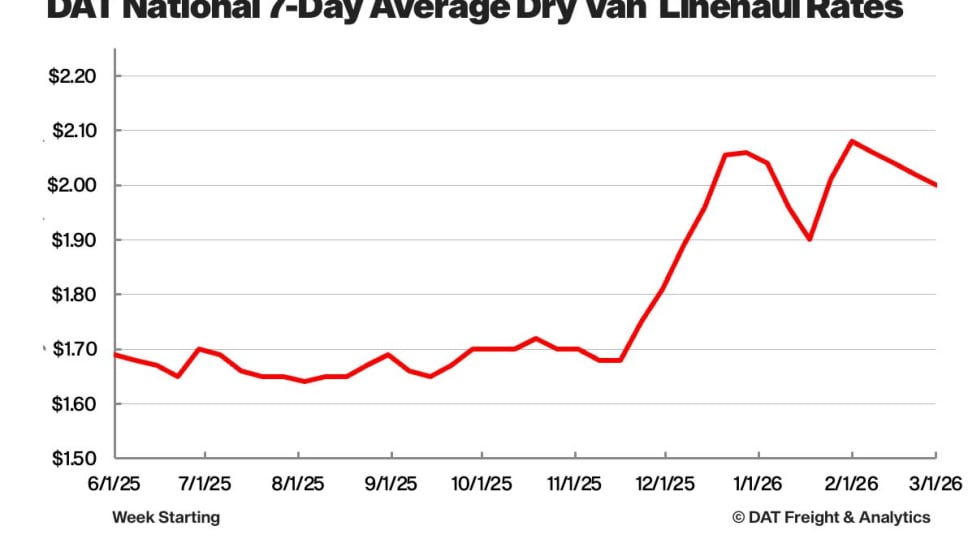
DAT Freight & Analytics data shows tightening flatbed capacity, easing produce markets, and softening van and reefer rates.
Read More →
NACFE's Run on Less - Messy Middle project demonstrates the power of data in helping to guide the future of alternative fuels and powertrains for heavy-duty trucks.
Read More →