




Freight haulers are embracing social media but still not a much as other business-to-business companies, according to a new study.
Trucking Lags When it Comes to Adopting Social Media
Freight haulers are embracing social media but still not a much as other business-to-business companies, according to a new study.
by Staff
December 3, 20132 min to read
Carrier Logistics, a developer of information technology systems for freight carriers, found 68 of the top hundred freight haulers have a social media presence. Of companies using social media, 80% have a Facebook page, 72% use LinkedIn and 64% use Twitter and/or use Google+.
“If you think the results show strong use of social media by transportation companies, consider that transportation companies use social media less than the average business-to-business company,” says Gary Snyder, business development manager for CLI, who conducted the study.
Eighty-seven percent of all B2B companies across all industries use social media other than blogs, he says, and 54% of those companies expect to increase their spending on social media content next year.
The study also looked at how often the transportation companies update their pages. Among freight carriers using social media, 70% updated at least once a week on Twitter and 63% on Facebook. On LinkedIn, however, just 26% updated pages weekly.
“The time has come when transportation companies can no longer afford not to be on social media,” says Ken Weinberg, vice president and co-founder of CLI. “If you want to be in the trucking business today, you need a presence on social media to secure your place in the industry.”
The study also included transportation software companies, the majority of which have adopted social media but surprisingly, they are using social media somewhat less than are top motor carriers. Sixty-three percent have established some form of social media presence. Eighty-two percent of those 63 companies use LinkedIn, 74% are on Facebook, and 72% use Twitter.
The survey did not consider postings’ content nor who the audience is, but the results reinforce the value of social media, says CLI.
“While ‘everyone is doing it,’ is not exactly the case, the study makes a compelling case for business-to-business organizations in general, and transportation companies in particular, to use social media for brand awareness, customer acquisition, and lead generation,” says Snyder.
More Fleet Management

ACT: Trucking Volumes Rise, Capacity Tightens as Fuel Prices Cloud Outlook
ACT Research data shows volumes hitting a four-year high and supply-demand balance strengthening, but higher oil prices are undercutting tariff relief and tempering optimism.
Read More →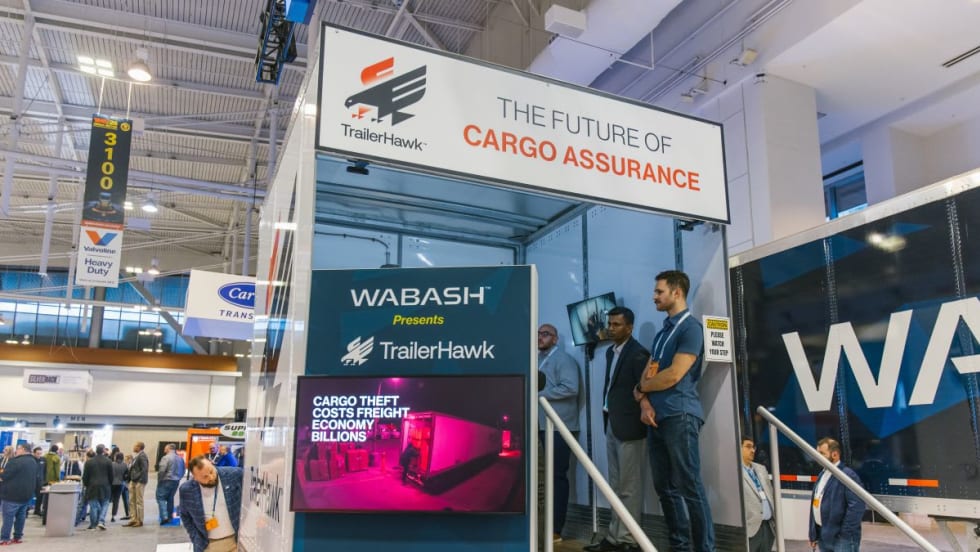
Wabash Teams Physical Security With Digital Tech For Better Cargo Visibility
The patent-pending cargo solution integrates a digitally connected cargo door and an intelligent locking system with the TrailerHawk.AI technology platform.
Read More →
From Diesel Prices to Cyberattacks: How the Iran War Is Affecting Trucking
The impact of the Iran conflict extends beyond fuel costs, bringing more fraud and cybersecurity risks to the trucking industry.
Read More →
ATA’s Spear Warns Fuel Prices, Trade Policy, and Global Conflict Could Stall Trucking Recovery
Speaking at the TMC Annual Meeting in Nashville, ATA President Chris Spear said trucking faces mounting pressure from rising fuel prices, geopolitical instability, and uncertainty around trade policy.
Read More →
New Entrants, Chameleon Carriers, and Safety: Is It Too Easy to Start a Trucking Company?
More than 100,000 new trucking companies enter the industry each year, but regulators manage to audit only a fraction of them. That churn creates opportunities for inexperienced startups — and for “chameleon carriers” that shut down after safety violations and reappear under new identities. Read more from Deborah Lockridge in this commentary.
Read More →
Fleet Managers Invited to Apply for Exclusive HDT Exchange Event
HDTX is an intimate event that connects heavy-duty trucking fleet managers with industry suppliers through small-group discussions, educational sessions, and structured one-on-one meetings.
Read More →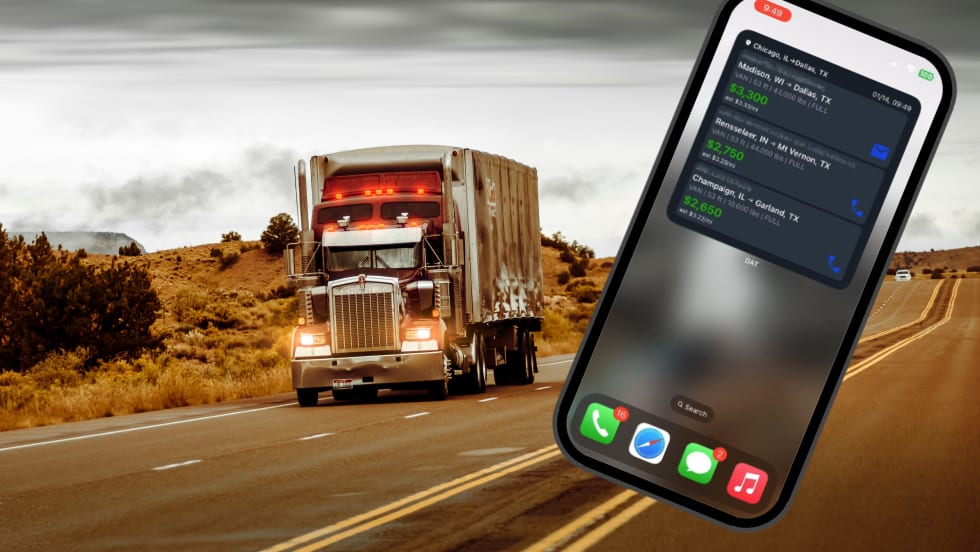
DAT Launches iPhone Widget to Help Owner-Operators Find Loads Faster
New DAT One feature shows top-paying loads directly on an iPhone’s home screen, helping carriers react faster to spot-market opportunities.
Read More →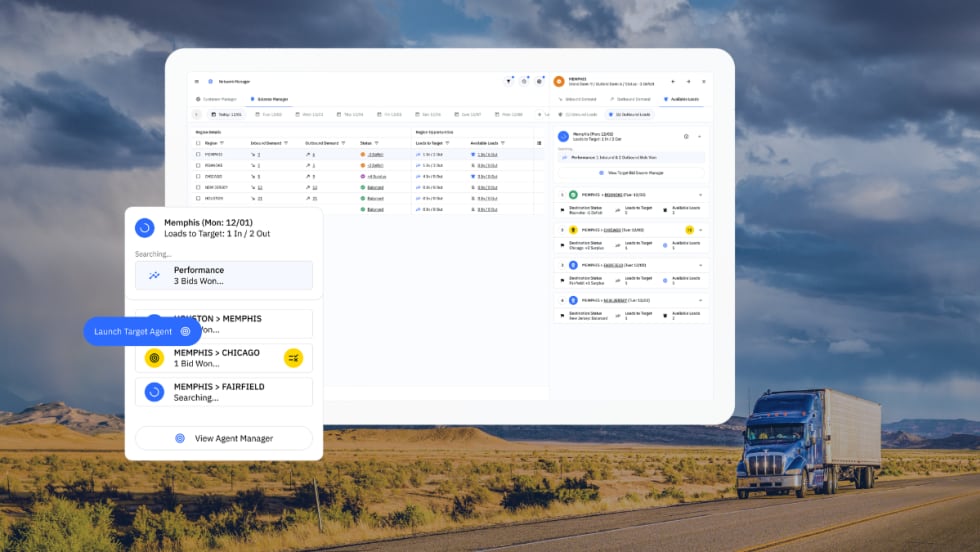
Optimal Dynamics Launches AI System to Help Carriers Choose Better Freight
Optimal Dynamics says its new Scale platform uses AI agents and optimization to help carriers find and secure freight that improves network balance and profitability.
Read More →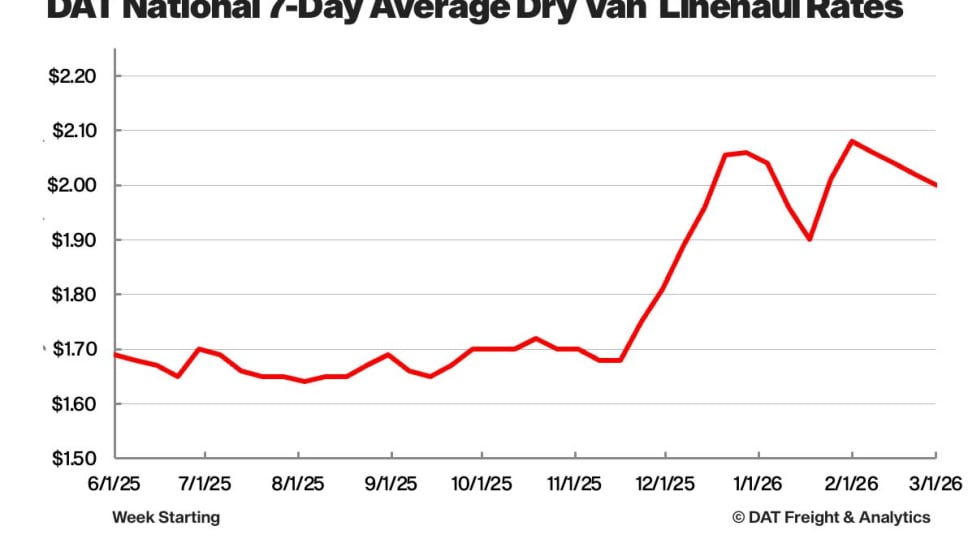
DAT: Flatbed Demand Climbs as Van and Reefer Rates Soften
DAT Freight & Analytics data shows tightening flatbed capacity, easing produce markets, and softening van and reefer rates.
Read More →
Run on Less “Messy Middle” Data Shows Multiple Paths Forward for Truck Powertrains [Watch]
NACFE's Run on Less - Messy Middle project demonstrates the power of data in helping to guide the future of alternative fuels and powertrains for heavy-duty trucks.
Read More →