Contract Transport has agreed to pay 201 truck drivers a total of $160,073 in back wages and fringe benefits after an investigation by the U.S. Department of Labor’s Wage and Hour Division found that the trucking company violated provisions of the McNamara-O’Hara Service Contract Act.
by Staff
April 1, 2013
2 min to read
Contract Transport has agreed to pay 201 truck drivers a total of $160,073 in back wages and fringe benefits after an investigation by the U.S. Department of Labor’s Wage and Hour Division found that the trucking company violated provisions of the McNamara-O’Hara Service Contract Act.
Ad Loading...
The department says the company, which has a contract to haul mail for the U.S. Postal Service, violated the SCA by failing to document and pay mail haul drivers for delay time during trips.
Ad Loading...
“Government contracts specify in detailed language how pay and benefits are to be determined, and employers are required to follow these rules so workers are paid correctly,” said Michael Staebell, district director of the Wage and Hour Division’s office in Des Moines. “Contractors are well aware of these obligations when they bid, and when the contracts are awarded. This investigation demonstrates the department’s commitment to ensuring that employees are paid the wages they have rightfully earned and to leveling the playing field among all employers who do business with the government.”
The investigation determined that the employer paid drivers for a predetermined number of hours per trip, without regard to how long the trips took. Delays brought on by weather, construction or other factors resulted in hours worked by employees going unpaid, in violation of the SCA. As a result, 115 employees at Contract Transport’s headquarters facility in Des Moines are due $64,217 in back wages, and 86 employees who operate out of the company’s Kansas City, Mo., facility are due $95,856.
In addition to paying all of the back wages found due, Contract Transport has agreed to train both office staff and drivers on the importance of proper time documentation, to ensure future documentation of all hours worked, including delay time, and to provide a phone number to workers to report pay discrepancies.
The SCA requires that contractors and subcontractors performing services on covered federal contracts in excess of $2,500 must pay their service workers no less than the wages and fringe benefits prevailing in the locality, or rates contained in a predecessor contractor’s collective bargaining agreement.
ACT Research data shows volumes hitting a four-year high and supply-demand balance strengthening, but higher oil prices are undercutting tariff relief and tempering optimism.
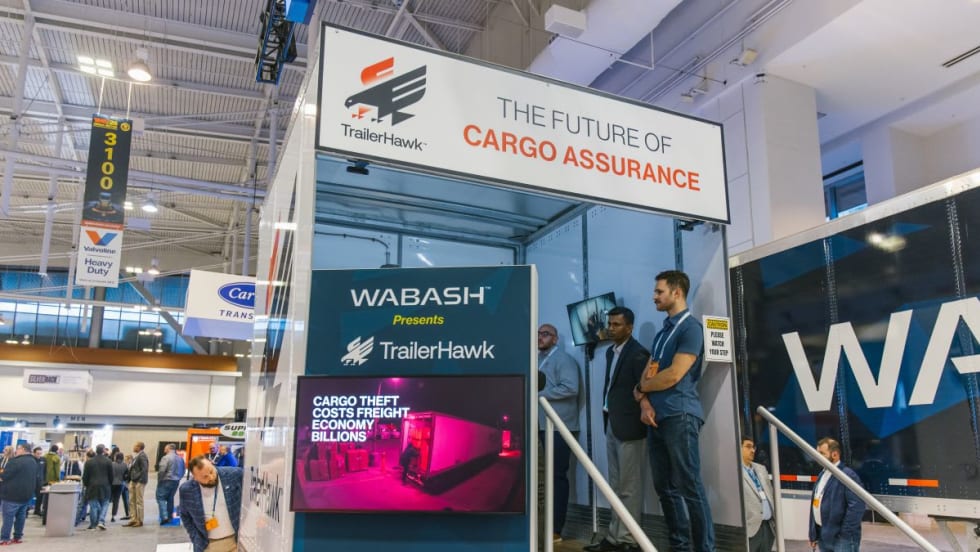
The patent-pending cargo solution integrates a digitally connected cargo door and an intelligent locking system with the TrailerHawk.AI technology platform.
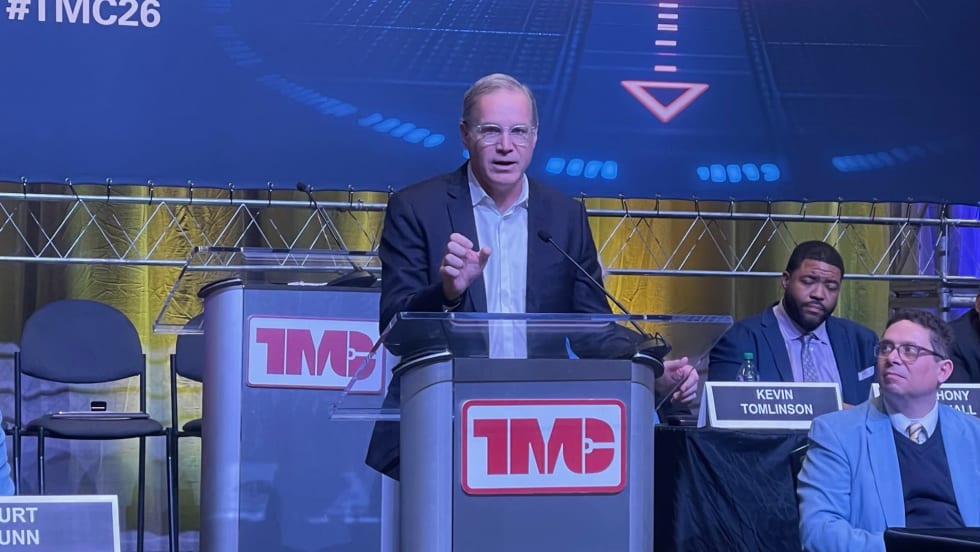
Speaking at the TMC Annual Meeting in Nashville, ATA President Chris Spear said trucking faces mounting pressure from rising fuel prices, geopolitical instability, and uncertainty around trade policy.
More than 100,000 new trucking companies enter the industry each year, but regulators manage to audit only a fraction of them. That churn creates opportunities for inexperienced startups — and for “chameleon carriers” that shut down after safety violations and reappear under new identities. Read more from Deborah Lockridge in this commentary.
HDTX is an intimate event that connects heavy-duty trucking fleet managers with industry suppliers through small-group discussions, educational sessions, and structured one-on-one meetings.
Optimal Dynamics says its new Scale platform uses AI agents and optimization to help carriers find and secure freight that improves network balance and profitability.
NACFE's Run on Less - Messy Middle project demonstrates the power of data in helping to guide the future of alternative fuels and powertrains for heavy-duty trucks.