




UPS has announced the accelerated growth of its alternative vehicle fleet with plans to purchase approximately 700 liquefied natural gas vehicles and to build four refueling stations by the end of 2014. Once completed, the company says, the LNG private fleet will be one of the most extensive in the U.S.
UPS Adding 700 New LNG Vehicles Across 10 States
UPS has announced the accelerated growth of its alternative vehicle fleet with plans to purchase approximately 700 liquefied natural gas vehicles and to build four refueling stations by the end of 2014. Once completed, the company says, the LNG private fleet will be one of the most extensive in the U.S.
by Staff
April 23, 20132 min to read
"LNG will be a viable alternative transportation fuel for UPS in the next decade as a bridge between traditional fossil fuels and emerging renewable alternative fuels and technologies that are not quite ready for broad-based long-term commercial deployment," says Scott Davis, UPS chairman and CEO.
New UPS-built fueling stations in Knoxville, Nashville and Memphis, Tenn., and Dallas, Texas, will serve its heavy-weight rigs traveling into adjacent states. With the addition of accessible LNG fueling stations, UPS also will add LNG trucks on routes from Dallas, Houston and San Antonio to further extend territory.
An initial investment of more than $18 million to build fueling stations will be supported by the purchase of these 700 LNG tractors and continued expansion of the natural gas fleet in the U.S.
UPS already operates 112 LNG tractor trailers from fueling stations in Las Vegas, Nev., Phoenix, Ariz., and Beaver and Salt Lake City, Utah, plus has its own LNG fueling station on its property in Ontario, Calif.
UPS says it has been operating natural gas vehicles for more than a decade. With natural gas prices 30% to 40% lower than imported diesel and U.S. production gearing up, the logistics company is investing more aggressively in the natural gas infrastructure necessary to make it part of the UPS delivery network.
Worldwide UPS has more than 1,000 natural gas vehicles on the road today. UPS's alternative fuel and advanced technology fleet of more than 2,600 vehicles also includes a wide array of low-emissions vehicles, including all-electrics, electric hybrids, hydraulic hybrids, propane, compressed natural gas and biomethane. Since 2000, the fleet powered by alternative fuels and technologies has driven more than 295 million miles.
More Fleet Management

ACT: Trucking Volumes Rise, Capacity Tightens as Fuel Prices Cloud Outlook
ACT Research data shows volumes hitting a four-year high and supply-demand balance strengthening, but higher oil prices are undercutting tariff relief and tempering optimism.
Read More →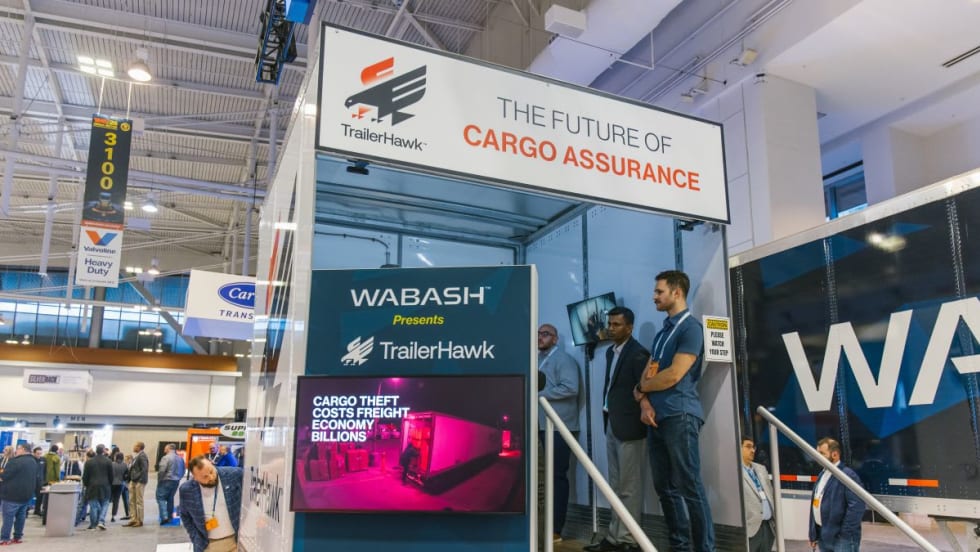
Wabash Teams Physical Security With Digital Tech For Better Cargo Visibility
The patent-pending cargo solution integrates a digitally connected cargo door and an intelligent locking system with the TrailerHawk.AI technology platform.
Read More →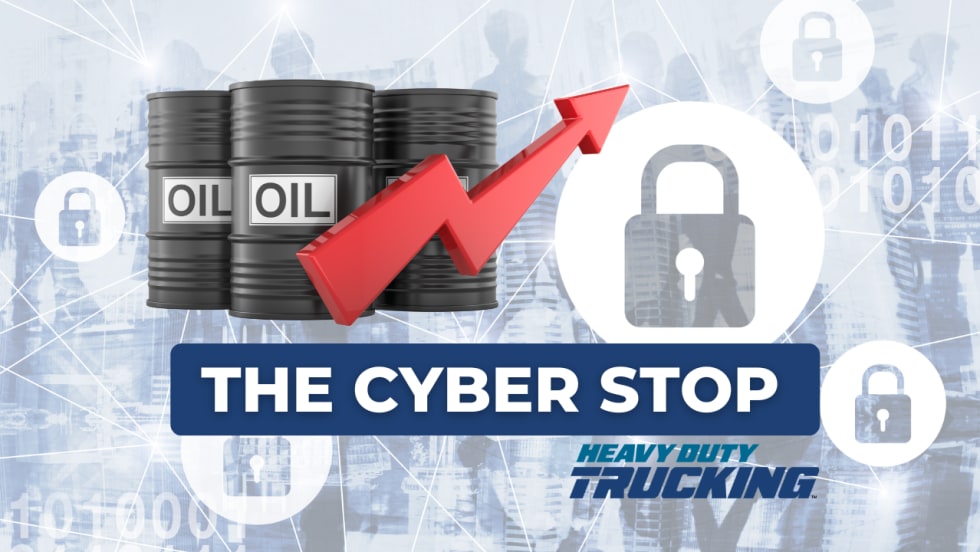
From Diesel Prices to Cyberattacks: How the Iran War Is Affecting Trucking
The impact of the Iran conflict extends beyond fuel costs, bringing more fraud and cybersecurity risks to the trucking industry.
Read More →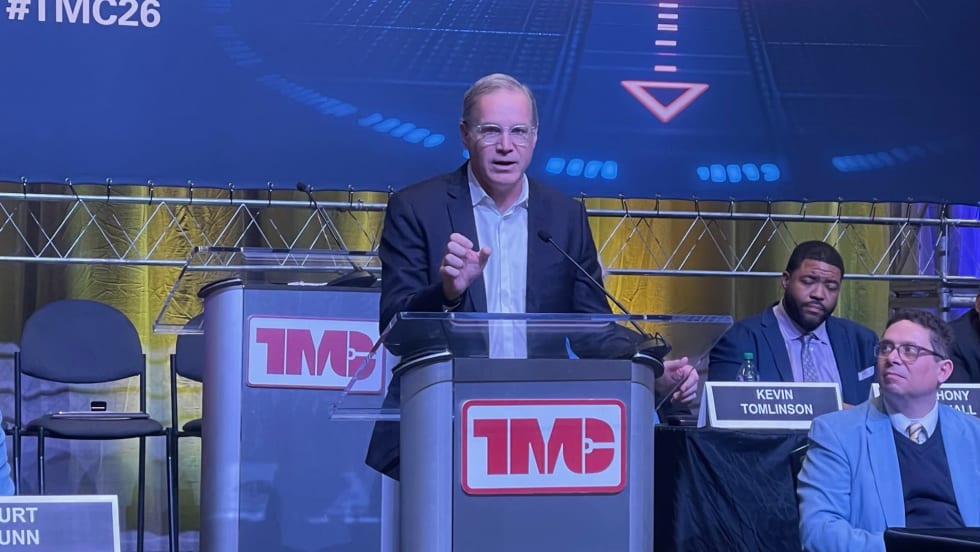
ATA’s Spear Warns Fuel Prices, Trade Policy, and Global Conflict Could Stall Trucking Recovery
Speaking at the TMC Annual Meeting in Nashville, ATA President Chris Spear said trucking faces mounting pressure from rising fuel prices, geopolitical instability, and uncertainty around trade policy.
Read More →
New Entrants, Chameleon Carriers, and Safety: Is It Too Easy to Start a Trucking Company?
More than 100,000 new trucking companies enter the industry each year, but regulators manage to audit only a fraction of them. That churn creates opportunities for inexperienced startups — and for “chameleon carriers” that shut down after safety violations and reappear under new identities. Read more from Deborah Lockridge in this commentary.
Read More →
Fleet Managers Invited to Apply for Exclusive HDT Exchange Event
HDTX is an intimate event that connects heavy-duty trucking fleet managers with industry suppliers through small-group discussions, educational sessions, and structured one-on-one meetings.
Read More →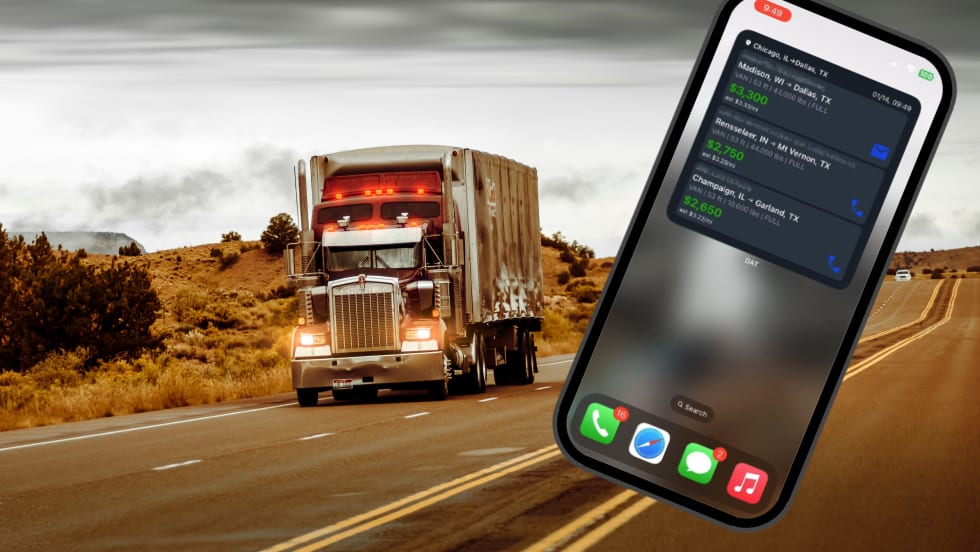
DAT Launches iPhone Widget to Help Owner-Operators Find Loads Faster
New DAT One feature shows top-paying loads directly on an iPhone’s home screen, helping carriers react faster to spot-market opportunities.
Read More →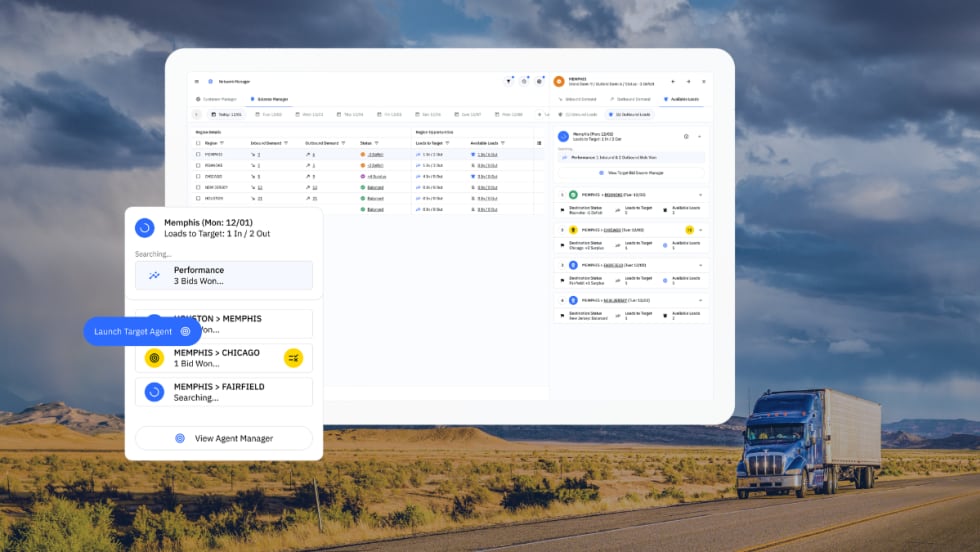
Optimal Dynamics Launches AI System to Help Carriers Choose Better Freight
Optimal Dynamics says its new Scale platform uses AI agents and optimization to help carriers find and secure freight that improves network balance and profitability.
Read More →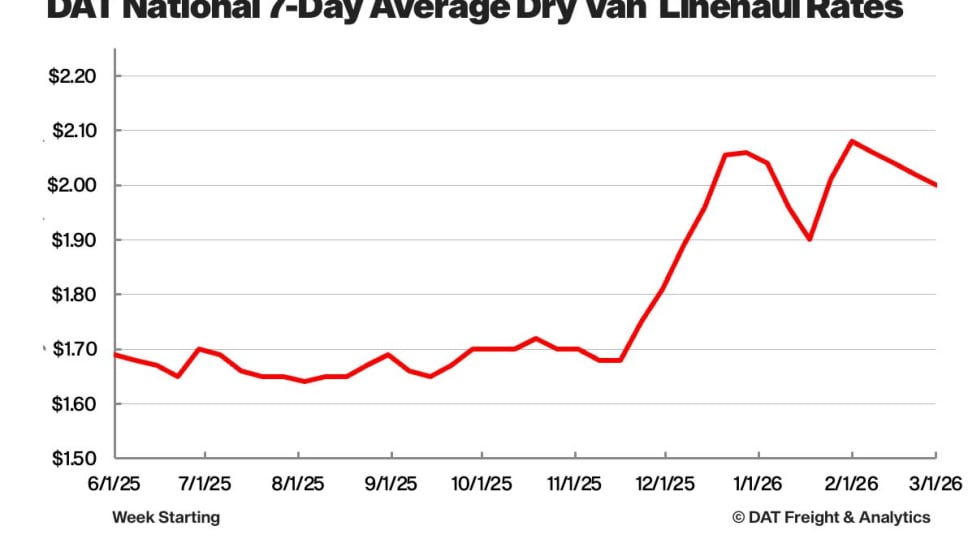
DAT: Flatbed Demand Climbs as Van and Reefer Rates Soften
DAT Freight & Analytics data shows tightening flatbed capacity, easing produce markets, and softening van and reefer rates.
Read More →
Run on Less “Messy Middle” Data Shows Multiple Paths Forward for Truck Powertrains [Watch]
NACFE's Run on Less - Messy Middle project demonstrates the power of data in helping to guide the future of alternative fuels and powertrains for heavy-duty trucks.
Read More →