



UPS has entered into a purchase agreement to acquire Coyote Logistics, a non-asset based truckload freight brokerage company for $1.8 billion from the global private equity firm Warburg Pincus.
 MENU
MENU SEARCH
UPS announced it's buying Coyote Logistics, a non-asset-based truckload freight brokerage company, giving it a major presence in the U.S. truckload brokerage market.
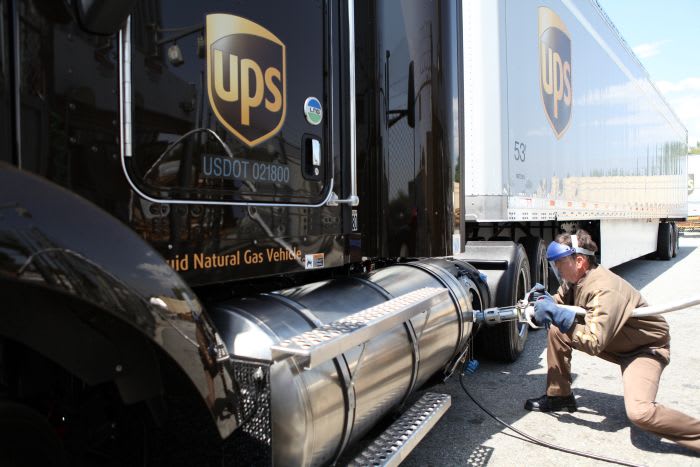
UPS has entered into a purchase agreement to acquire Coyote Logistics, a non-asset based truckload freight brokerage company for $1.8 billion from the global private equity firm Warburg Pincus.
Coyote arranges freight shipments on available trucking capacity contracted to members of its carrier network of more than 35,000 trucking companies.
"This deal gives UPS a real presence in the U.S. truckload brokerage market — the largest market in transportation," explains Dave Ross with Stifel Transportation & Logistics Research Group in an email to investors. "And, if one is going to enter truck brokerage, there are only a couple companies behind industry-leader C.H. Robinson to consider to become a player. As a fast-growing top-3/4 player in the market, Coyote helps round out the UPS portfolio."
In the past, UPS often used Coyote during peak holiday shipping season to supplement its fleet with contract transportation providers. In the past few years, Coyote’s role in supporting UPS’s peak operations had grown and the company expects to leverage Coyote’s carrier network even further for this purpose in the future.
“Through the Coyote network, UPS will provide our combined customer base with an even more seamless supply chain solutions portfolio from multi-modal freight shipments to small-package delivery,” said Alan Gershenhorn, UPS executive vice president and chief commercial officer. “We will now also have the technology to help our customers improve the utilization of their fleets as part of an extended network of carriers."
Coyote CEO Jeff Silver will continue to head the company, which will operate as a subsidiary of UPS. Coyote generated $2.1 billion in annual revenue last year.

ACT Research data shows volumes hitting a four-year high and supply-demand balance strengthening, but higher oil prices are undercutting tariff relief and tempering optimism.
Read More →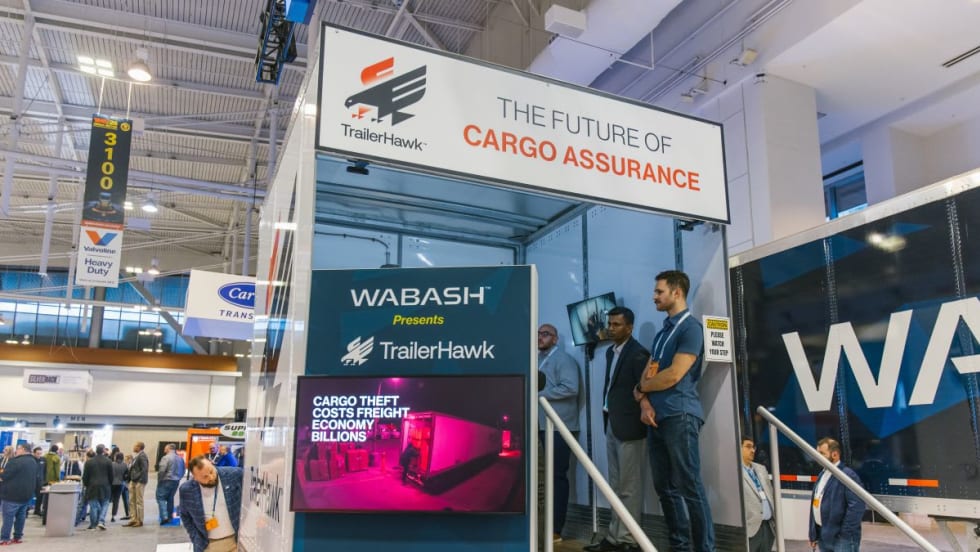
The patent-pending cargo solution integrates a digitally connected cargo door and an intelligent locking system with the TrailerHawk.AI technology platform.
Read More →
The impact of the Iran conflict extends beyond fuel costs, bringing more fraud and cybersecurity risks to the trucking industry.
Read More →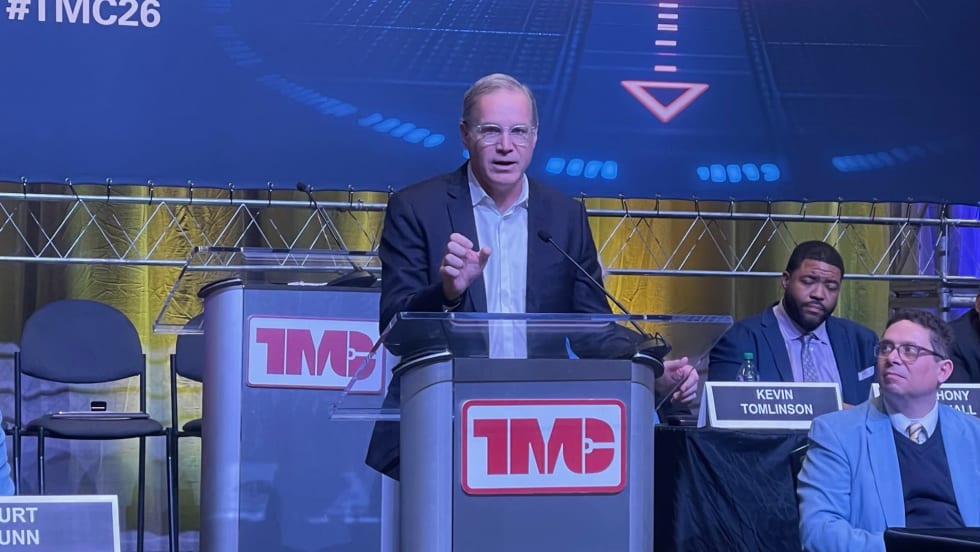
Speaking at the TMC Annual Meeting in Nashville, ATA President Chris Spear said trucking faces mounting pressure from rising fuel prices, geopolitical instability, and uncertainty around trade policy.
Read More →
More than 100,000 new trucking companies enter the industry each year, but regulators manage to audit only a fraction of them. That churn creates opportunities for inexperienced startups — and for “chameleon carriers” that shut down after safety violations and reappear under new identities. Read more from Deborah Lockridge in this commentary.
Read More →
HDTX is an intimate event that connects heavy-duty trucking fleet managers with industry suppliers through small-group discussions, educational sessions, and structured one-on-one meetings.
Read More →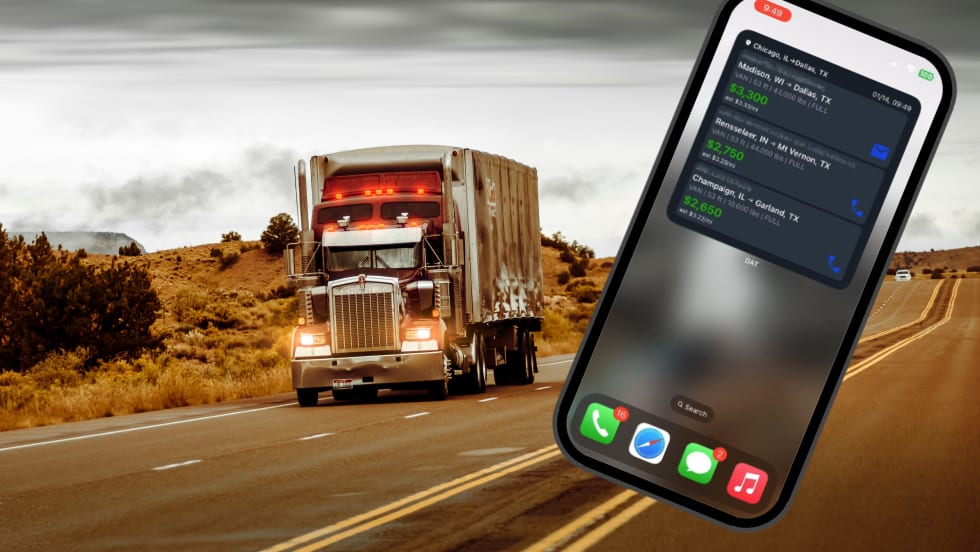
New DAT One feature shows top-paying loads directly on an iPhone’s home screen, helping carriers react faster to spot-market opportunities.
Read More →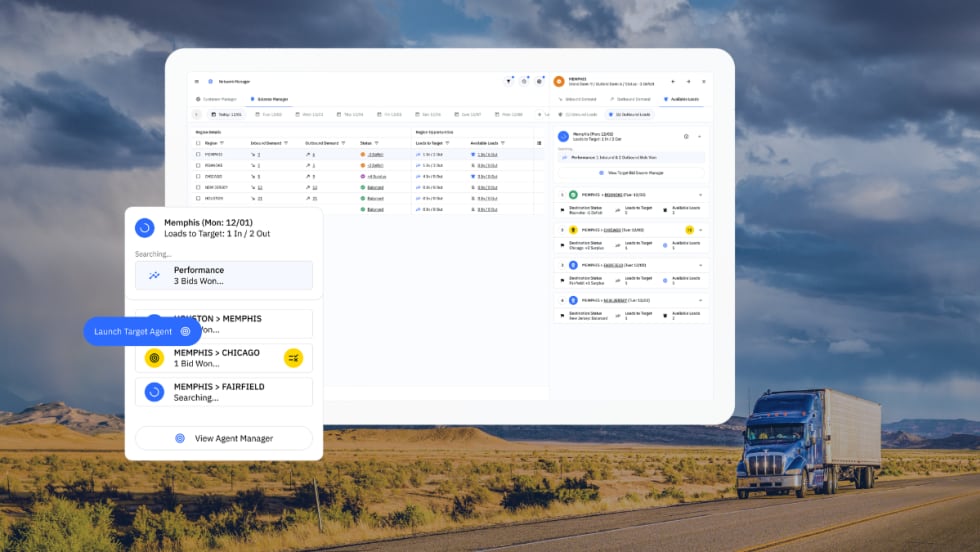
Optimal Dynamics says its new Scale platform uses AI agents and optimization to help carriers find and secure freight that improves network balance and profitability.
Read More →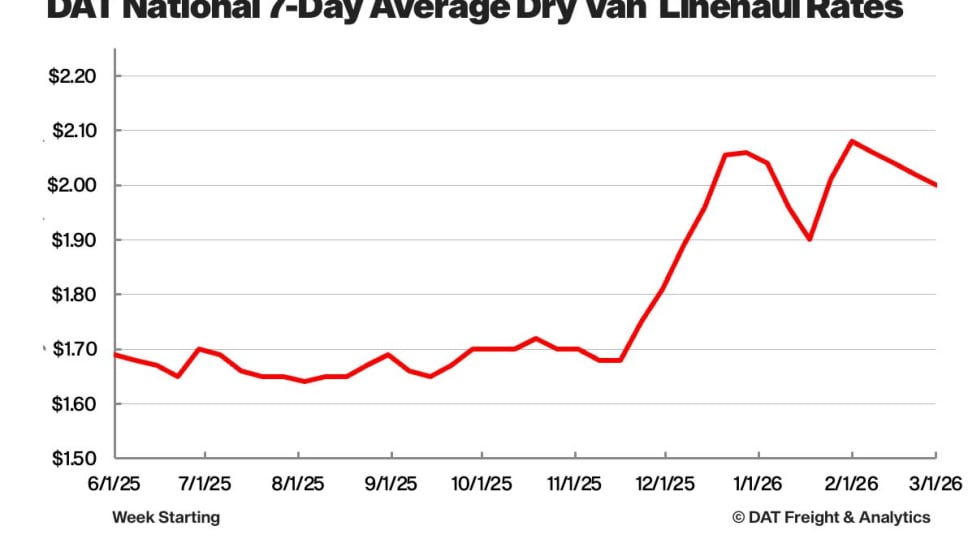
DAT Freight & Analytics data shows tightening flatbed capacity, easing produce markets, and softening van and reefer rates.
Read More →
NACFE's Run on Less - Messy Middle project demonstrates the power of data in helping to guide the future of alternative fuels and powertrains for heavy-duty trucks.
Read More →