




While rising fuel prices have caused some concern in the light-truck and car markets, they have yet to make a big impact on heavy- and medium-duty trucking, says Chris Visser, senior analyst with the ATD/NADA Official Commercial Truck Guide,
in an interview with NADA-TV's news program, "AutoFocus with David Hyatt."
But if prices continue to rise, slowing the overall economy, truck retailing could feel the effects of slowdowns in industrial production and, in turn, freight movement, Visser says.
Used-Truck Market Continues to Gain Despite Rising Fuel Prices
While rising fuel prices have caused some concern in the light-truck and car markets, they have yet to make a big impact on heavy- and medium-duty trucking, says Chris Visser, senior analyst with the ATD/NADA Official Commercial Truck Guide
by Staff
April 17, 20112 min to read
The national average for on-highway diesel topped $4 a gallon for the first time since mid-September 2008 during the week ending April 11, according to the U.S. Department of Energy's Energy Information Administration. Prices jumped 10.2 cents last week to $4.078 - just more than $1 higher than the same week last year.
"The trucking industry exists to move freight," Visser says. "So unless fuel prices get to the point where the overall economic recovery is impacted, we're not going to see much change in trucking purchases."
Despite rising fuel prices and supply shortages stemming from the earthquake in Japan, the used-truck market continues to accelerate. According to a report by the ATD/NADA Official Commercial Truck Guide, the average mileage, age and selling price of sleeper tractors continue to climb in tandem. In fact, the average selling price for these trucks in February hit its highest point since September 2008, at $44,581. Used truck buyers will likely see the disaster in Japan as temporary, Visser says, and supply and demand will continue to push up mileage, age and selling price.
More Fleet Management

'Beyond Compliance,' Regulations, Driver Coaching on ATRI’s 2026 Research List
The American Transportation Research Institute will examine driver coaching, regulatory impacts — including the "Beyond Compliance" concept —and weather disruptions that shape trucking operations.
Read More →
Fleet Advantage's Brian Antonellis on the Growing Need to Replace Old Trucks
Fleet Advantage's Brian Antonellis says it's time for fleets to get back to the fundamentals of good maintenance practices. And that includes replacing older, inefficient equipment.
Read More →
Truckstop.com Adding to Open Deck, Heavy Haul Offerings
Load matching for flatbed, lowbed, oversize and overweight loads can't be automated like basic van freight, but Truckstop.com is adding more high-tech tools to help.
Read More →
Trucker Path, Truckstop.com Expand Load Access Partnership
An expanded Trucker Path and Truckstop.com integration brings more freight opportunities into the TruckLoads app while emphasizing security and network quality.
Read More →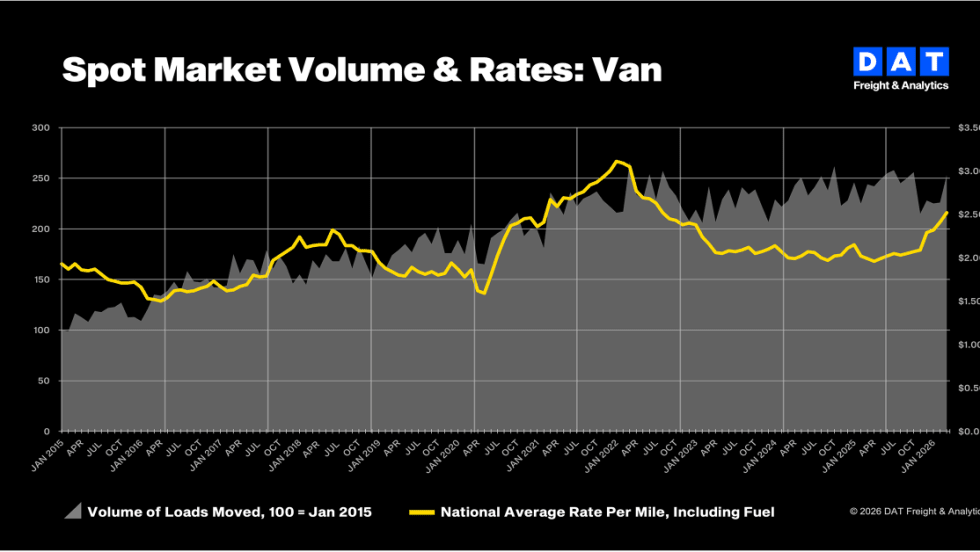
Truckload Rates Hit Two-Year Highs as Diesel Costs Surge, DAT Says
Strong March freight demand combined with a spike in fuel costs pushed both spot and contract truckload rates to their highest levels in more than two years.
Read More →
The AI Conversation You Need to Have with Your TMS Provider
Everyone’s talking about AI — but is your transportation management system actually built for it?
Read More →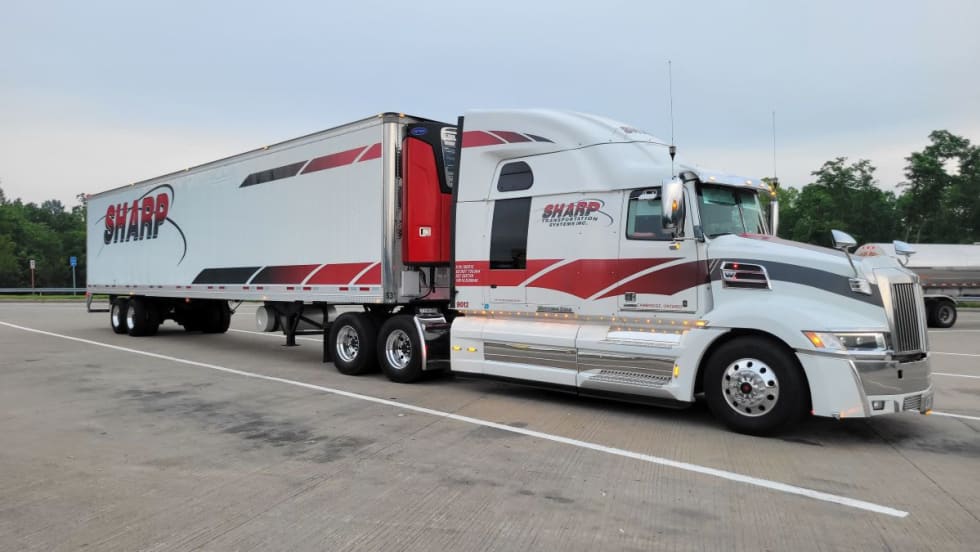
Kriska Buys Fellow Canadian Carrier Sharp Transportation Systems
Being part of KTG will allow Sharp to expand and improve its services.
Read More →
Bill in House Would Raise Minimum Insurance for Motor Carriers to $5 Million
The Fair Compensation for Truck Crash Victims Act would increase insurance requirements for interstate motor carriers by nearly seven times.
Read More →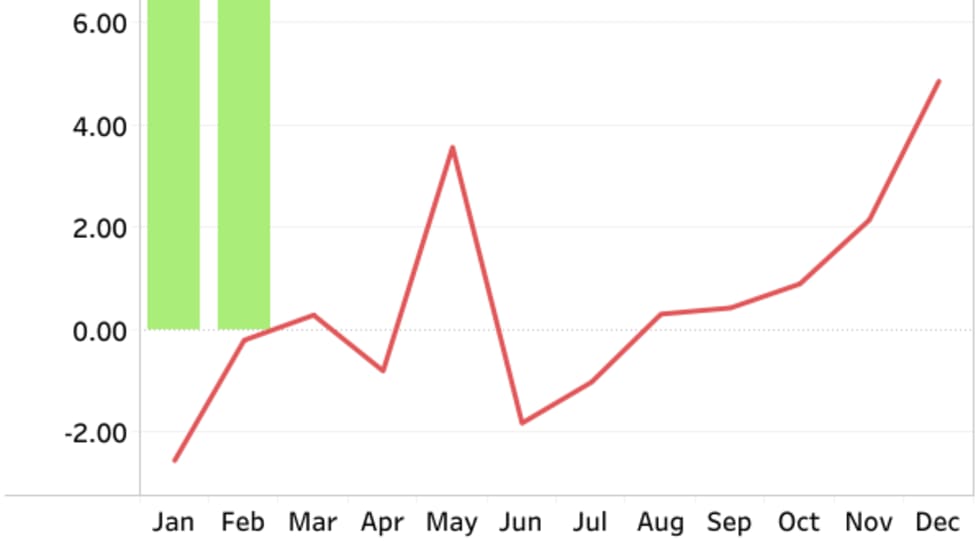
FTR Trucking Conditions Index Hits Four-Year High in February
Strong freight rates push TCI to 10.2, but FTR expects fuel-price volatility to skew March results.
Read More →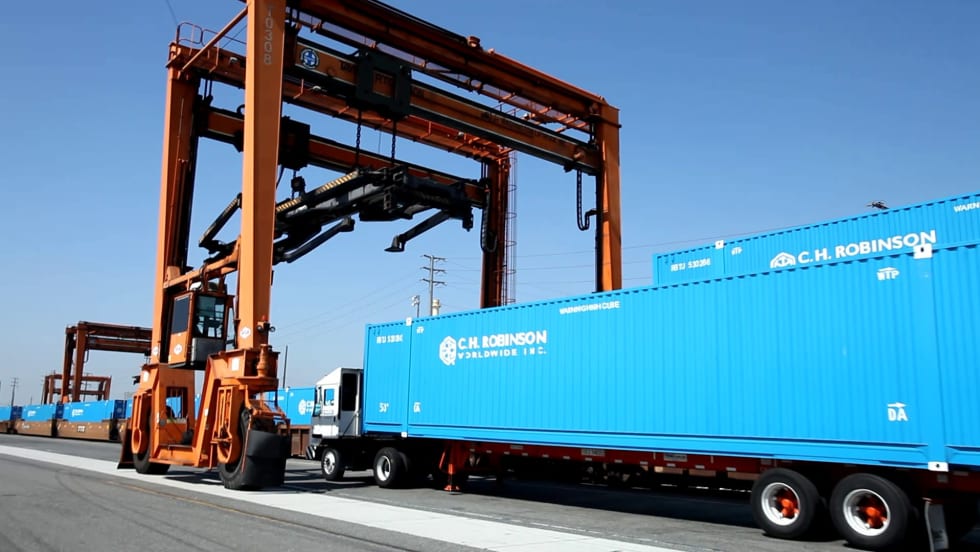
C.H. Robinson Offers Carriers Relief as Diesel Prices Surge
C.H. Robinson is waiving fees on fuel cards and cash advances for April and May, aiming to help carriers offset rising diesel costs tied to geopolitical instability.
Read More →