




The good news is, there's a capacity shortage in the industry, so you should be making money. The bad news is, finding drivers is going to cost you some of that money.
That was the message of Kenny Vieth, president and senior analyst with ACT Research, during a recent presentation at the 2012 Recruiting and Retention Conference put on by the Truckload Carriers Association and ACS in Nashville, Tenn.
The country as a whole, Vieth said, is on firmer economic foundation than it was a few years ago. Consumers have paid down a lot of debt, which has slowed consumer spending as the nation makes up for the spending binge of the aughts. Because consumer spending makes up about 70% of the economy, that has slowed the recovery - but it indicates people may have the savings going forward to start spending as they feel more confident.
The housing market and the automotive market generate a lot of truck freight, and both were hit hard in the early days of the Great Recession.
"We do think the housing market's going to start to turn around in 2012," Vieth said. "Certainly we don't think it's going to go lower." Vieth said in normal times, we should have around 1.4 million to 1.5 million new housing starts per year. Right now we're at about 600,000. "From what I read, the experts in this industry are thinking 2013, 2014 before we see much recovery."
The automotive market is ripe for a boom. "Our cars are getting old and we need to replace them," he said, "and we're seeing that in the data."
Manufacturing numbers are another area where economic analysts look to get truck freight indicators.
"If you think about imported goods, they come into the port, get on a train, and the first time trucks touch them is maybe in someplace like Chicago," Vieth said. "With a domestically manufactured good, you've got raw materials, processing, and waste coming out between the moves. If you've got one thing to look at, think of the ISM index for a first read on the economy every month."
In fact, last week's January factory output numbers from The Federal Reserve showed that compared with January 2011, total factory output was up 4.7%. The production is now at the highest level since August 2008.
Meanwhile, corporations are enjoying strong profits and have rebuilt their cash reserves. "Quarter after quarter we keep seeing record corporate profits." In fact, Vieth said, currently U.S. corporations are sitting on more than $2 trillion in cash.
"Once they feel comfortable, they do have the wherewithal to start investing," Vieth said. "Unfortunately I think there is a lack of comfort."
The slow spot in the economy right now is actually government spending, Vieth said.
"There's a big debate on how much debt the government should take on, but if the government isn't spending money, that's slowing the economy down," he said. "People who are being let go in the government sector, they don't have the money to buy the goods that is the freight you haul." State and local government spending is expected to continue to decline, he said, but at a slower rate.
Vieth: Economy Improving, Driver Shortage Looming
The good news is, there's a capacity shortage in the industry, so you should be making money. The bad news is, finding drivers is going to cost you some of that money
So why didn't 2011 turn out to be as good a year, economically speaking, as economists were expecting? Most economists a year ago, including Vieth, predicted 2011 Gross Domestic Product would grow by 3% to 3.5%. The final number ended up at about 1.7%.
"It had a lot to do with shocks," Vieth explained, such as the Arab Spring, the Japanese tsunami, the budget impasse and the downgrading of U.S. debt. "We just had these shocks throughout the year that shook confidence and took money out of people's pockets."
For 2012, Vieth and other ACT analysts predict the economy's going to grow at about a 2% rate. This is more cautious than the latest Blue Chip survey of economists, which is predicting 2.5% growth.
That's because there are still risks of shocks, Vieth said, including what's going to happen in the financially troubled Eurozone, and the risk of having political gridlock when we are at a sensitive economic juncture. Iran has been rattling sabers, there are rising tensions in and around the oil patch, civil war in Nigeria.
There's also slowing growth in emerging markets. "One of the strengths in the U.S. market the past couple of years has been exports," Vieth said. "Now some of those major export markets like China and Brazil are slowing down."
Nevertheless, Vieth said, when it comes to trucking, "the supply-demand equilibrium is tilted in truckers' favor. Regulatory and driver shortage issues are taking capacity out of the market. Most of you guys should be seeing some above average appreciation in freight rates at least relative to the last few years.
"As a result of this, trucker profits have rebounded. Because equipment isn't flowing into the market, because drivers aren't flowing into the market, we do think we'll have a positive profitability outlook. And used equipment valuations continue to rise."
As Vieth mentioned in the beginning of his program, however, driver pay is going to have to take up more of that revenue that's flowing in. There's much talk of the coming driver shortage, but Vieth contended that the problem is not so much a shortage of drivers, but a shortage of pay.
"Obviously you can't just double your driver's wages," Vieth said, but since deregulation, driver pay has not risen in line with other occupations.
At the time of deregulation in 1980, Vieth said,, the average driver made about four times what the average food service worker made. But according to the May 2010 occupational employment survey by the U.S. Bureau of Labor Statistics, drivers made about 1.9 times what the average food service worker made.
"I think all of you would agree, being a trucker is a hard job. It's one where you don't get a lot of respect, you're away from the house two or three weeks at a time ... I don't need to tell you guys this. Being a food worker may not pay as much, but it's a lot easier." The same, he said, goes for jobs such as working at a Lowe's or Home Depot.
Vieth compared the turnover numbers of the truckload industry as tracked by the American Trucking Associations -- about 90% -- to turnover numbers of private fleets from the National Private Truck Council's benchmarking survey -- about 10%.
"Granted, there's a lot more milk runs where guys are going home every night, but I think there's also pay and respect, and the for-hire industry has to figure out how to emulate the private trucking world," Vieth said.
"There has to be a premium that the U.S. economy has to pay to make trucking an attractive job," Vieth said. "Making sure truckers are respected and treated as valued employees and part of the team, those are certainly important as far as retention goes -- but as far as getting people in the door to say I want to be a trucker, I think wages have to rise fairly substantially."
More Fleet Management

'Beyond Compliance,' Regulations, Driver Coaching on ATRI’s 2026 Research List
The American Transportation Research Institute will examine driver coaching, regulatory impacts — including the "Beyond Compliance" concept —and weather disruptions that shape trucking operations.
Read More →
Fleet Advantage's Brian Antonellis on the Growing Need to Replace Old Trucks
Fleet Advantage's Brian Antonellis says it's time for fleets to get back to the fundamentals of good maintenance practices. And that includes replacing older, inefficient equipment.
Read More →
Truckstop.com Adding to Open Deck, Heavy Haul Offerings
Load matching for flatbed, lowbed, oversize and overweight loads can't be automated like basic van freight, but Truckstop.com is adding more high-tech tools to help.
Read More →
Trucker Path, Truckstop.com Expand Load Access Partnership
An expanded Trucker Path and Truckstop.com integration brings more freight opportunities into the TruckLoads app while emphasizing security and network quality.
Read More →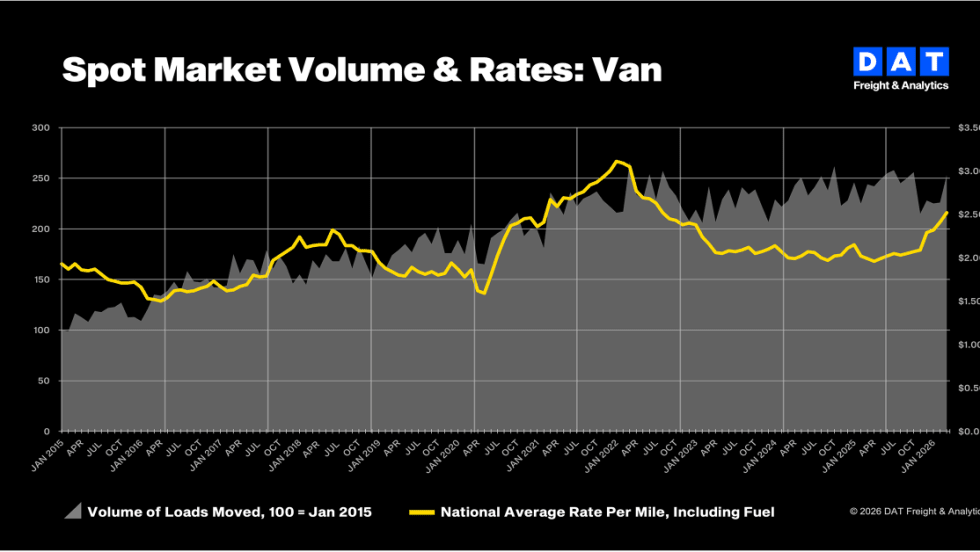
Truckload Rates Hit Two-Year Highs as Diesel Costs Surge, DAT Says
Strong March freight demand combined with a spike in fuel costs pushed both spot and contract truckload rates to their highest levels in more than two years.
Read More →
The AI Conversation You Need to Have with Your TMS Provider
Everyone’s talking about AI — but is your transportation management system actually built for it?
Read More →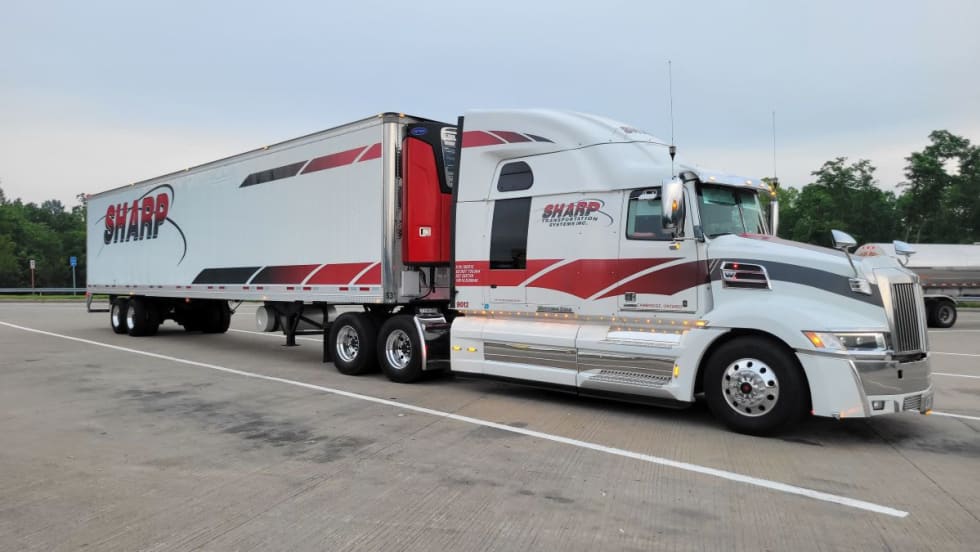
Kriska Buys Fellow Canadian Carrier Sharp Transportation Systems
Being part of KTG will allow Sharp to expand and improve its services.
Read More →
Bill in House Would Raise Minimum Insurance for Motor Carriers to $5 Million
The Fair Compensation for Truck Crash Victims Act would increase insurance requirements for interstate motor carriers by nearly seven times.
Read More →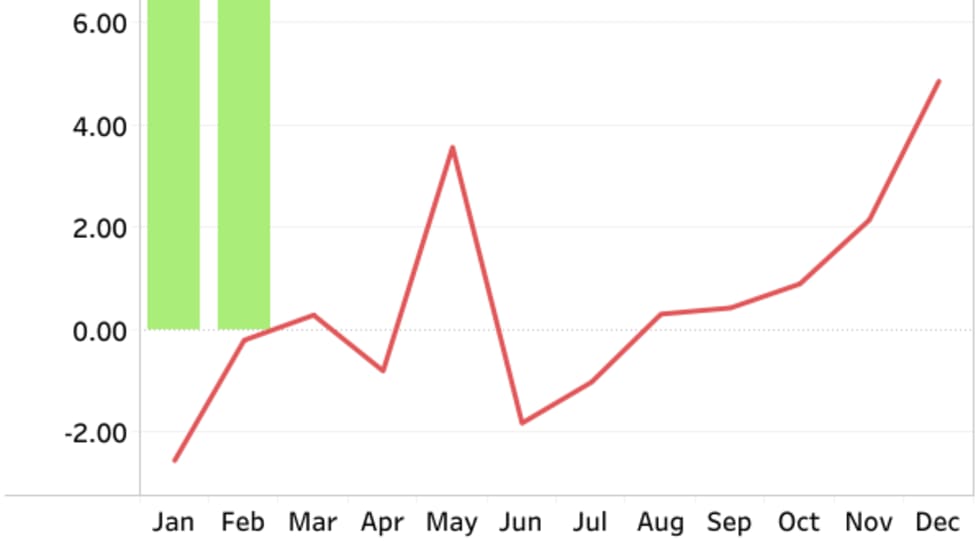
FTR Trucking Conditions Index Hits Four-Year High in February
Strong freight rates push TCI to 10.2, but FTR expects fuel-price volatility to skew March results.
Read More →
C.H. Robinson Offers Carriers Relief as Diesel Prices Surge
C.H. Robinson is waiving fees on fuel cards and cash advances for April and May, aiming to help carriers offset rising diesel costs tied to geopolitical instability.
Read More →