




The Virginia Department of Transportation reported last week that Virginia Transportation Research Center (VTRC) scientist Bridget Donaldson has spent nearly a year researching animal passageways
Virginia DOT: Animal Crossings Under Highways Likely Prevent Accidents
The Virginia Department of Transportation reported last week that Virginia Transportation Research Center (VTRC) scientist Bridget Donaldson has spent nearly a year researching animal passageway
by Staff
April 24, 2005
2 min to read
under highways and how they are used in a study on animals and motorist safety.
Donaldson will release a final report on her research later this year. VTRC is a joint partnership between the Virginia DOT and the University of Virginia established in 1948.
According to the Virgina DOT, about 200 people die each year in animal-related car crashes out of the nearly 44,000 traffic fatalities in the U.S. Approximately 247,000 crashes involved animals in 2000, the latest data available.
Donaldson is evaluating seven underpass structures in Virginia to determine the extent of use by deer and other wildlife, the structural and environmental features that might influence their use, and their effectiveness in reducing deer-vehicle accidents. She receives data from remote digital cameras that capture images based on infrared heat and motion sensors.
Preliminary results show nearly 1,000 deer crossings at three of the sites (deer do not use the other four) and more than 1,000 crossings of smaller mammals, such as raccoons, opossums, coyotes, groundhogs, cats, and even squirrels. The most popular deer crossings are a large box culvert in Fairfax County, designed specifically as a wildlife crossing, and another box culvert near Charlottesville beneath I-64.
“Money spent on wildlife crossings may seem an unnecessary addition to construction costs,” Donaldson says. “However, the savings associated with reduced human injury, mortality and vehicular damage as a result of effective wildlife crossings can offset the cost of crossing installations. While many successful crossing structures cost less than $200,000, studies have estimated the cost of a single human traffic fatality at more than $3 million in lost income, medical costs and property damage.”
Photos of animals using the crossings – billed as the Critter Cam -- are available on the Virginia DOT web site at www.virginiadot.org. Click on “news.”
More Drivers

FMCSA Extends Paper Medical Card Exemption … Again
Five states still aren't ready to accept commercial driver medical exam information directly from the medical examiner's registry.
Read More →
Mack Launches Digital Driver Guide for Chassis-Specific Truck Info
Mack’s new, virtual owner’s manual delivers VIN-based, on-demand guidance for vehicle systems via web, app, and soon in-cab displays.
Read More →
Western Star Showcases Truckers' Pride and Skill
Western Star is expanding its Star Nation Experience in 2026, adding new competitions and dealer participation to highlight operator skills and promote careers in trucking.
Read More →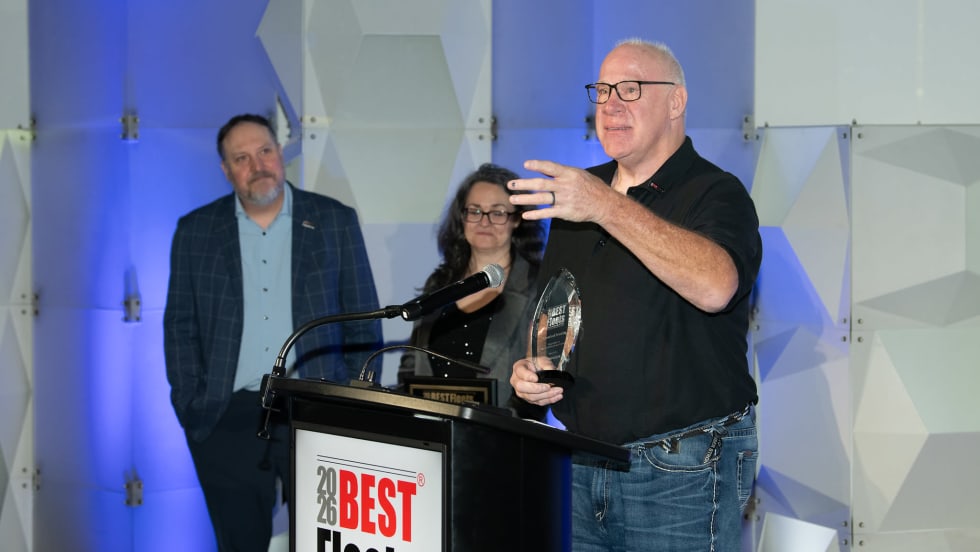
Best Fleets to Drive For: Two Carriers Earn Overall Award for First Time
CarriersEdge announced the 2026 Best Fleets to Drive For overall winners, with Crawford Trucking, Fortigo Freight Services, and FTC Transportation receiving top awards.
Read More →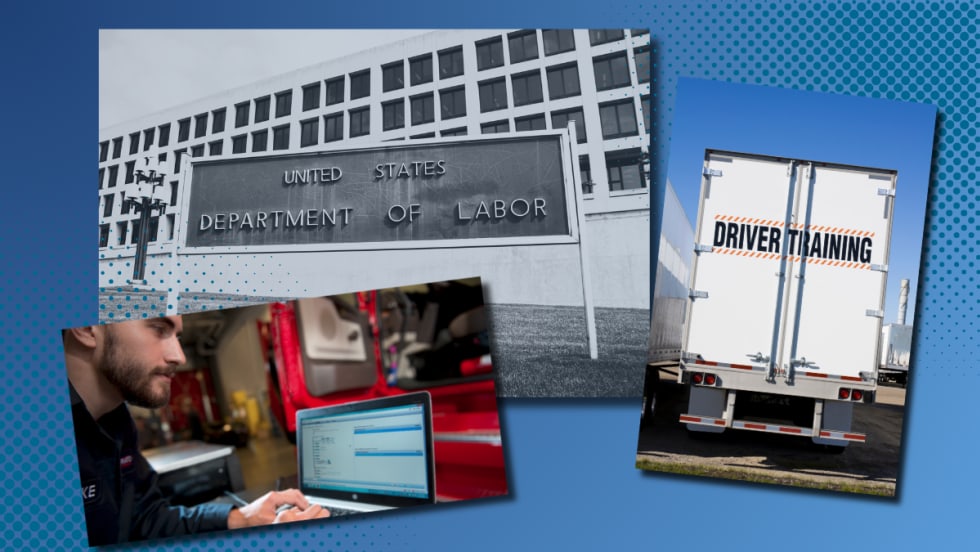
Federal Proposal Would Allow Pell Grants for Shorter-Term Job Training
The Department of Labor plans to expand Pell Grant eligibility to some shorter workforce training programs, a move the American Trucking Associations said will help strengthen commercial driver training schools and diesel technician training programs.
Read More →
Owner-Operator Model Gets Boost as DOL Proposes 2024 Independent Contractor Definition Reversal
For an industry that has watched this issue go back and forth for years, the independent contractor proposal marks the latest swing in the regulatory pendulum.
Read More →
FMCSA Reinstates Field Warrior ELD to Registered Device List
One electronic logging device has been reinstated to the FMCSA's list of registered ELDs.
Read More →
How One Company is Using Smart Suspension Technology to Reduce Driver Injuries and Improve Retention
America’s Service Line adopted Link’s SmartValve and ROI Cabmate systems to address whole-body vibration, repetitive strain, and driver turnover. The trucking fleet is already seeing measurable results.
Read More →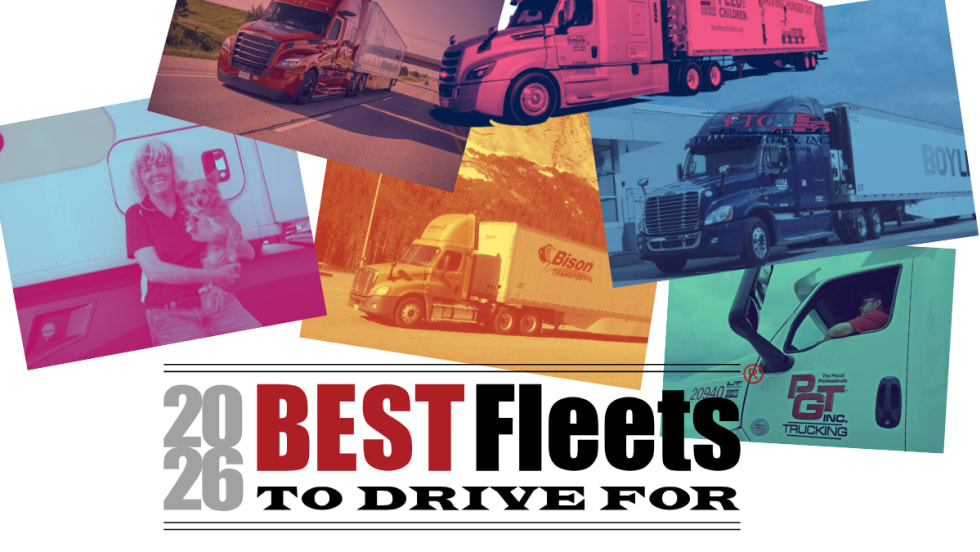
CarriersEdge Announces 2026 Best Fleets to Drive For
The 18th annual contest recognizing the best workplaces for truck drivers sees changes to Top 20, Hall of Fame
Read More →
FMCSA Targets 550+ ‘Sham’ CDL Schools in Nationwide Sting Operation
The Federal Motor Carrier Safety Administration issued more than 550 notices of proposed removal to commercial driver training providers following a five-day nationwide enforcement sweep. Investigators cited unqualified instructors, improper training vehicles, and failure to meet federal and state requirements.
Read More →