




The Pacific Maritime Association, which represents employers at America’s 29 West Coast ports, on Monday asked for federal mediation in its contract negotiations with the International Longshore and Warehouse Union.
West Coast Ports Seek Federal Mediator in Labor Talks
The Pacific Maritime Association, which represents employers at America’s 29 West Coast ports, on Monday asked for federal mediation in its contract negotiations with the International Longshore & Warehouse Union.
by Staff
December 23, 20142 min to read
The two sides have been in contract talks since early this year, but have been unable to iron out a new agreement, though dockworkers have remained on the job.
“While a number of observers, including policy-makers, retailers and port directors; have previously called for mediation, PMA had hoped the parties could reach resolution without outside aid,” PMA said in a statement.
“After the latest back-and-forth between the parties failed to resolve their differences, however, PMA has now agreed that outside intervention is necessary to bring the talks to conclusion, particularly given the ongoing impact of ILWU work slowdowns, which have disrupted cargo movement at the major West Coast ports of Tacoma, Seattle, Oakland, Los Angeles and Long Beach.”
According to the PMA, the union’s continued actions are creating long-term damage to the West Coast port operations, causing the facilities to lose market share to ports on the U.S. East and Gulf coasts.
A recent industry survey conducted by the Journal of Commerce showed 60% of shippers have already rerouted cargo for 2015 away from the U.S. West Coast to avoid the problems, with many saying their diversions will be permanent.
“After seven months of negotiations, we remain far apart on many issues,” said PMA spokesman Wade Gates. “At the same time, the union continues its slowdowns, walk-offs and other actions that are having impacts on shippers, truck drivers and other local workers, with no end in sight. It is clear that the parties need outside assistance to bridge the substantial gap between us.”
The ILWU has denied its engaged in any work slowdowns and has blamed problems at West Coast ports on poor scheduling and management, though there have been brief walkouts by workers at some facilities.
Regardless of the reasons, trucking operations and drivers serving the ports, have complained they have faced increased wait times for picking up and delivering freight, among other problems.
More Fleet Management

ACT: Trucking Volumes Rise, Capacity Tightens as Fuel Prices Cloud Outlook
ACT Research data shows volumes hitting a four-year high and supply-demand balance strengthening, but higher oil prices are undercutting tariff relief and tempering optimism.
Read More →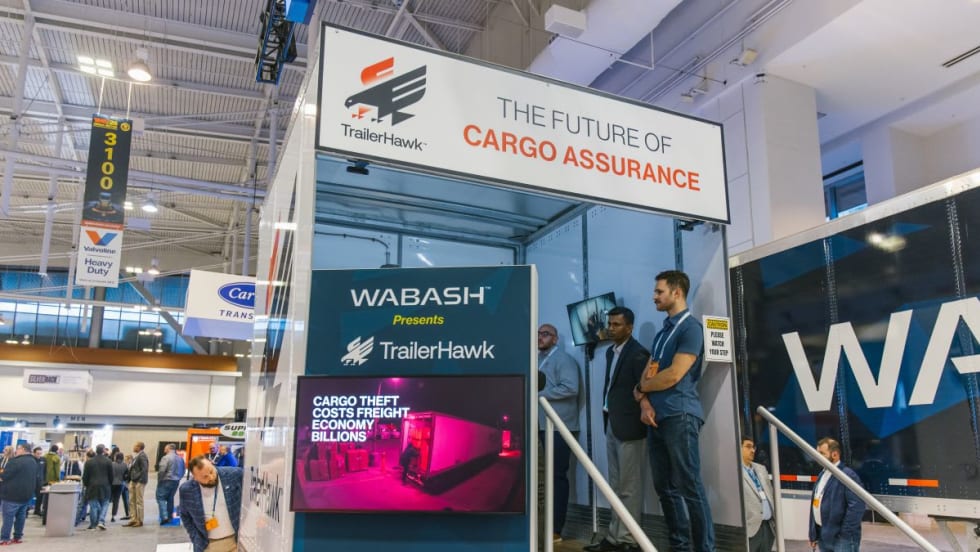
Wabash Teams Physical Security With Digital Tech For Better Cargo Visibility
The patent-pending cargo solution integrates a digitally connected cargo door and an intelligent locking system with the TrailerHawk.AI technology platform.
Read More →
From Diesel Prices to Cyberattacks: How the Iran War Is Affecting Trucking
The impact of the Iran conflict extends beyond fuel costs, bringing more fraud and cybersecurity risks to the trucking industry.
Read More →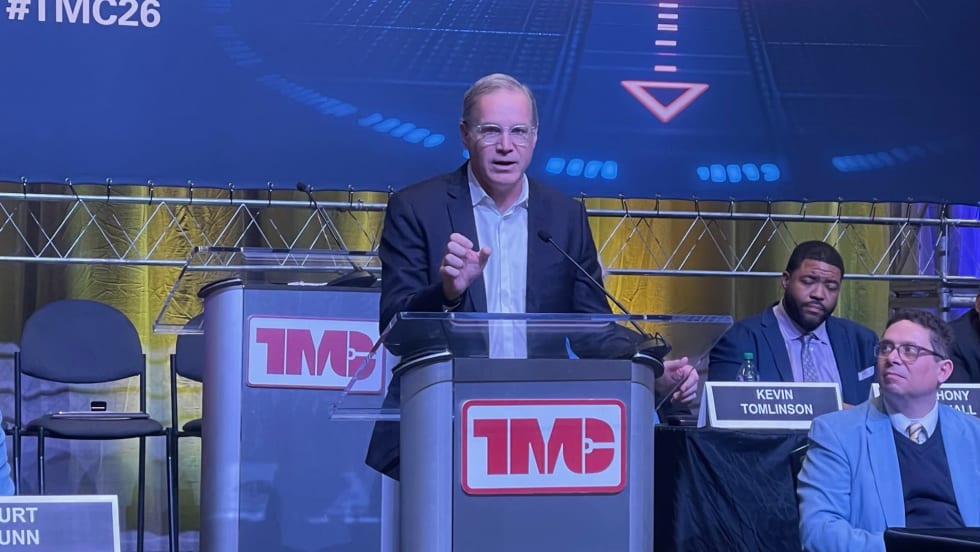
ATA’s Spear Warns Fuel Prices, Trade Policy, and Global Conflict Could Stall Trucking Recovery
Speaking at the TMC Annual Meeting in Nashville, ATA President Chris Spear said trucking faces mounting pressure from rising fuel prices, geopolitical instability, and uncertainty around trade policy.
Read More →
New Entrants, Chameleon Carriers, and Safety: Is It Too Easy to Start a Trucking Company?
More than 100,000 new trucking companies enter the industry each year, but regulators manage to audit only a fraction of them. That churn creates opportunities for inexperienced startups — and for “chameleon carriers” that shut down after safety violations and reappear under new identities. Read more from Deborah Lockridge in this commentary.
Read More →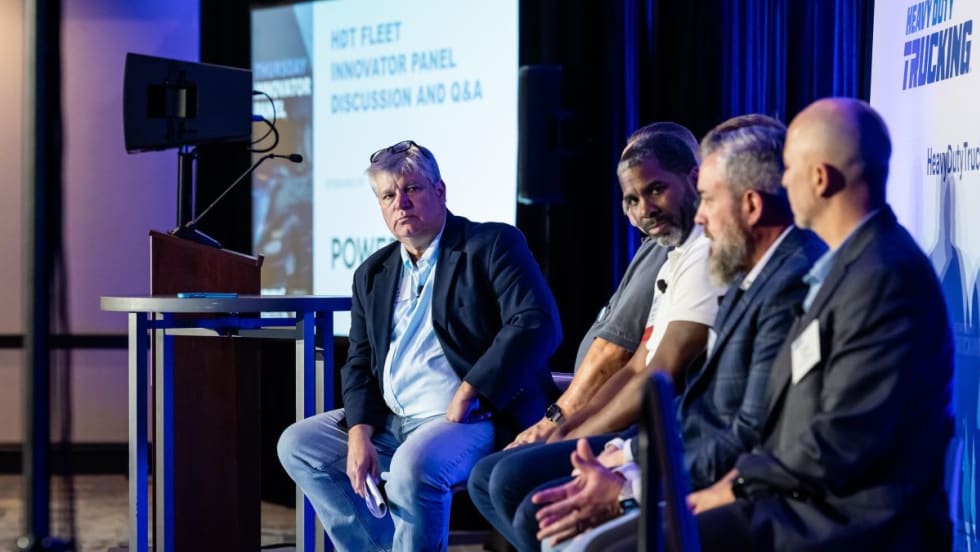
Fleet Managers Invited to Apply for Exclusive HDT Exchange Event
HDTX is an intimate event that connects heavy-duty trucking fleet managers with industry suppliers through small-group discussions, educational sessions, and structured one-on-one meetings.
Read More →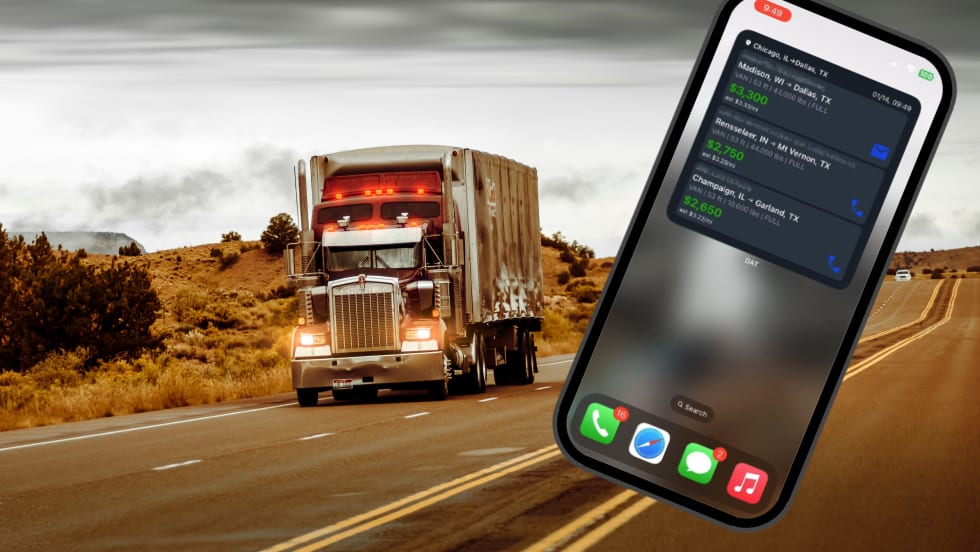
DAT Launches iPhone Widget to Help Owner-Operators Find Loads Faster
New DAT One feature shows top-paying loads directly on an iPhone’s home screen, helping carriers react faster to spot-market opportunities.
Read More →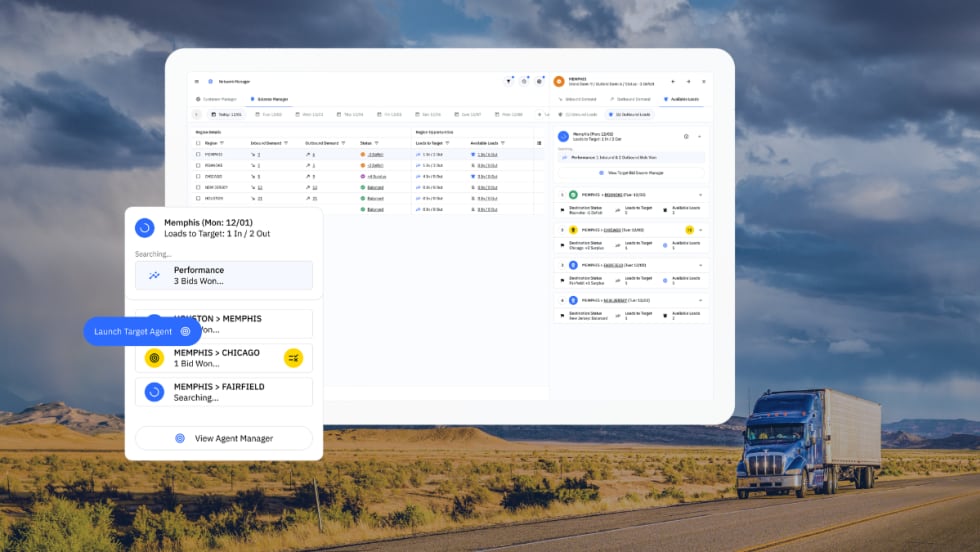
Optimal Dynamics Launches AI System to Help Carriers Choose Better Freight
Optimal Dynamics says its new Scale platform uses AI agents and optimization to help carriers find and secure freight that improves network balance and profitability.
Read More →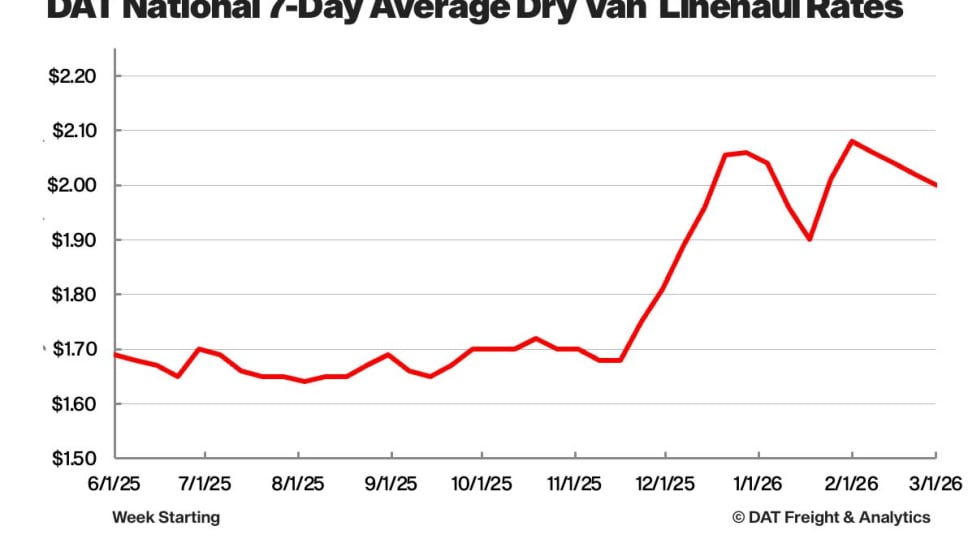
DAT: Flatbed Demand Climbs as Van and Reefer Rates Soften
DAT Freight & Analytics data shows tightening flatbed capacity, easing produce markets, and softening van and reefer rates.
Read More →
Run on Less “Messy Middle” Data Shows Multiple Paths Forward for Truck Powertrains [Watch]
NACFE's Run on Less - Messy Middle project demonstrates the power of data in helping to guide the future of alternative fuels and powertrains for heavy-duty trucks.
Read More →