




The freight world is getting faster all the time. Carriers are being pressured at both shipping and receiving ends to reduce transit times. Trucking is holding its own, but rail carriers are falling behind.
Ed Ellis, an Amtrak vice president, wrote a column in the July, 2000 issue of Trains magazine looking out over the chasm between truck and train performance. He says a team-driven truck can deliver a cross-country load in 60 hours or less. That's two and a half days. Contrast that with the Union Pacific Corp. guarantee that perishable shipments from California will reach New York in eight days by rail.
The fastest intermodal train speeds today average less than 40 mph once the shipment is aboard and starts moving, says Ellis. He says that is because "...most intermodal trains have top speeds of 60 to 70 mph." He says the answer is to "... remove low-speed restrictions and raise the top speed to 80 or 90 mph." That seems like a tall order.
Ellis says, "The railroads aren't exactly in a strong position to begin improving intermodal transit times. Main routes are clogged with ponderous, slow-moving coal and stack trains. The railroads' stock is in the dumper, and the capital markets are no longer interested in the industry. Where will the money be found to add capacity, remove slow orders, eliminate restrictions, and acquire the high-speed equipment needed to regain shipper confidence?"
Another problem the railroads face is what Ellis calls "circuity." He says, "The trucker
takes a reasonably direct door-to-door route. We run from hub-to-hub and often have a
serious out-of-line haul. Truckers can leave directly from any zip code. We can leave
directly from fewer than 500 zip codes, and many trips require a back-haul to the
terminal, which just makes our door-to-door transit time that much worse."
Rail has less than 1.5% of what Ellis says is a $140 billion "expedited, high-reliability,
low-transit-time market." Railroads get $2 billion of that, Ellis says, while trucking
now gets $50 billion.
To find out more on this topic, check out www.trains.com or www.railroadpm.org.
Why Trains Lose the Battle for Time-Sensitive Freight
The freight world is getting faster all the time. Carriers are being pressured at both shipping and receiving ends to reduce transit times. Trucking is holding its own, but rail carriers are falling behind. Ed Ellis, an
More Fleet Management

'Beyond Compliance,' Regulations, Driver Coaching on ATRI’s 2026 Research List
The American Transportation Research Institute will examine driver coaching, regulatory impacts — including the "Beyond Compliance" concept —and weather disruptions that shape trucking operations.
Read More →
Fleet Advantage's Brian Antonellis on the Growing Need to Replace Old Trucks
Fleet Advantage's Brian Antonellis says it's time for fleets to get back to the fundamentals of good maintenance practices. And that includes replacing older, inefficient equipment.
Read More →
Truckstop.com Adding to Open Deck, Heavy Haul Offerings
Load matching for flatbed, lowbed, oversize and overweight loads can't be automated like basic van freight, but Truckstop.com is adding more high-tech tools to help.
Read More →
Trucker Path, Truckstop.com Expand Load Access Partnership
An expanded Trucker Path and Truckstop.com integration brings more freight opportunities into the TruckLoads app while emphasizing security and network quality.
Read More →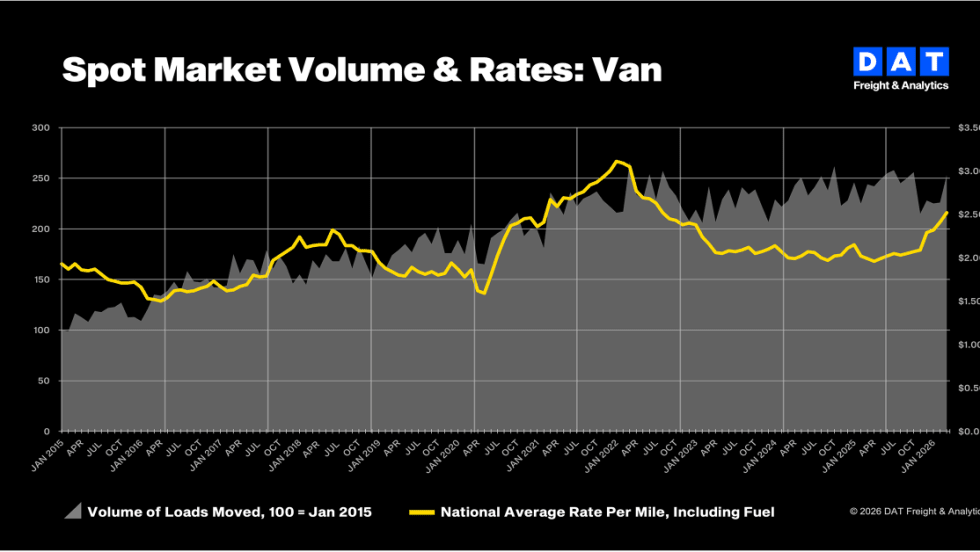
Truckload Rates Hit Two-Year Highs as Diesel Costs Surge, DAT Says
Strong March freight demand combined with a spike in fuel costs pushed both spot and contract truckload rates to their highest levels in more than two years.
Read More →
The AI Conversation You Need to Have with Your TMS Provider
Everyone’s talking about AI — but is your transportation management system actually built for it?
Read More →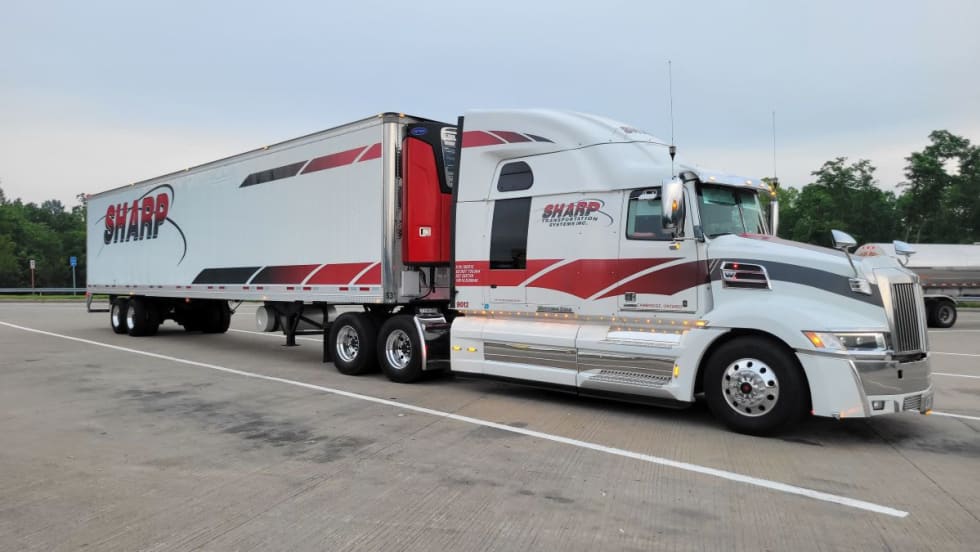
Kriska Buys Fellow Canadian Carrier Sharp Transportation Systems
Being part of KTG will allow Sharp to expand and improve its services.
Read More →
Bill in House Would Raise Minimum Insurance for Motor Carriers to $5 Million
The Fair Compensation for Truck Crash Victims Act would increase insurance requirements for interstate motor carriers by nearly seven times.
Read More →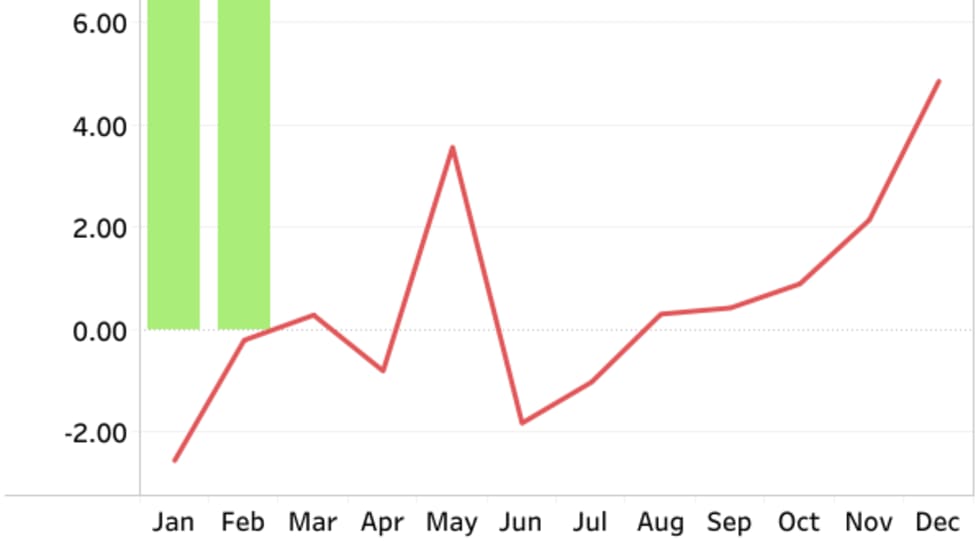
FTR Trucking Conditions Index Hits Four-Year High in February
Strong freight rates push TCI to 10.2, but FTR expects fuel-price volatility to skew March results.
Read More →
C.H. Robinson Offers Carriers Relief as Diesel Prices Surge
C.H. Robinson is waiving fees on fuel cards and cash advances for April and May, aiming to help carriers offset rising diesel costs tied to geopolitical instability.
Read More →