




The less-than-truckload industry is watching to see what move Old Dominion Freight Lines makes in the annual spring tariff-hike season.
 MENU
MENU SEARCH
The less-than-truckload industry is watching to see what move Old Dominion Freight Lines makes in the annual spring tariff-hike season.
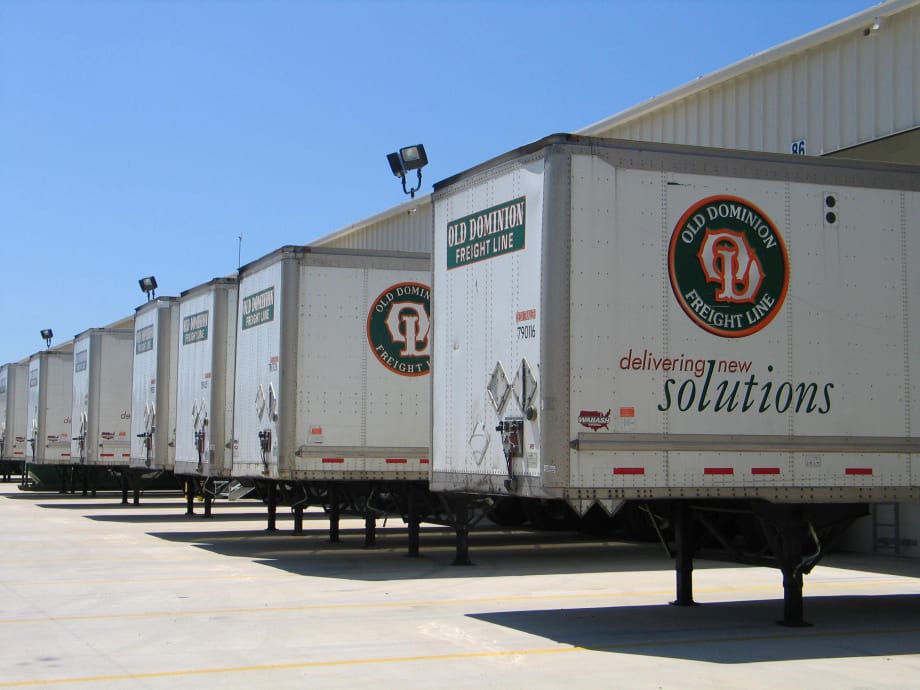
Photo: Deborah Lockridge
The less-than-truckload industry is watching to see what move Old Dominion Freight Lines makes in the annual spring tariff-hike season.
Logistics magazine DC Velocity examines the LTL tariff situation in an interesting article Tuesday.
The article notes that six of the biggest LTL carriers -- FedEx Freight, UPS Freight, YRC Freight, ABF Freight System, Con-way Freight and Saia -- have already hiked their tariffs this spring -- but Old Dominion Freight Line, probably the nation's most successful LTL carrier, has not. Yet.
As writer Mark B. Solomon explains:
That, in and of itself, is not unusual. Old Dominion is usually the last or one of the last carriers to disclose tariff adjustments, more commonly known as GRIs. These changes generally affect 25 to 30 percent of a carrier's book of business; at Old Dominion, that figure is around 25 percent.
Some, like David G. Ross, analyst for Stifel, Nicolaus & Co., argue that the GRIs are insignificant because much of the hike can still get negotiated away. ... Still, carriers prize the GRI business because it represents small to mid-size companies, which are the carriers' most profitable accounts.
Solomon goes on to note that ODFL typically prices its tariffs at the low end of the range, which would be 3.9% this year.
Why is ODFL able to do this? Solomon say:
Old Dominion ... stayed out of the bottom line-busting price wars of 2009 as carriers desperately tried to defend their market share and grab share from rivals in a recession-wracked economy. Another motive at the time was to undercut financially ailing YRC Worldwide Inc. in an effort to force the then-market leader out of business and take capacity out of the market. The strategy didn't drive YRC to the sidelines and succeeded only in damaging the profit margins of several of the carriers who tried the scheme.
Read more in DC Velocity: "Old Dominion waits in the weeds as LTL rivals make their tariff plans known."

ACT Research data shows volumes hitting a four-year high and supply-demand balance strengthening, but higher oil prices are undercutting tariff relief and tempering optimism.
Read More →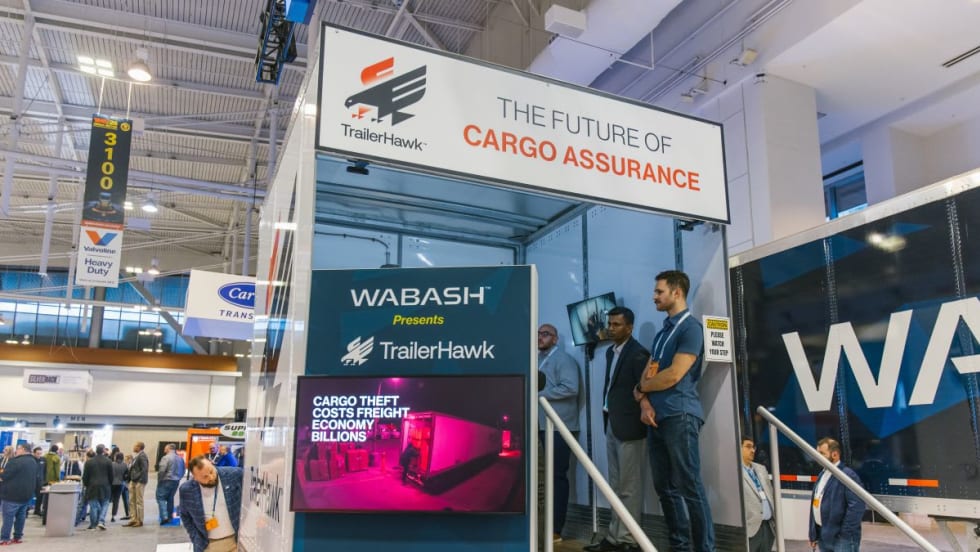
The patent-pending cargo solution integrates a digitally connected cargo door and an intelligent locking system with the TrailerHawk.AI technology platform.
Read More →
The impact of the Iran conflict extends beyond fuel costs, bringing more fraud and cybersecurity risks to the trucking industry.
Read More →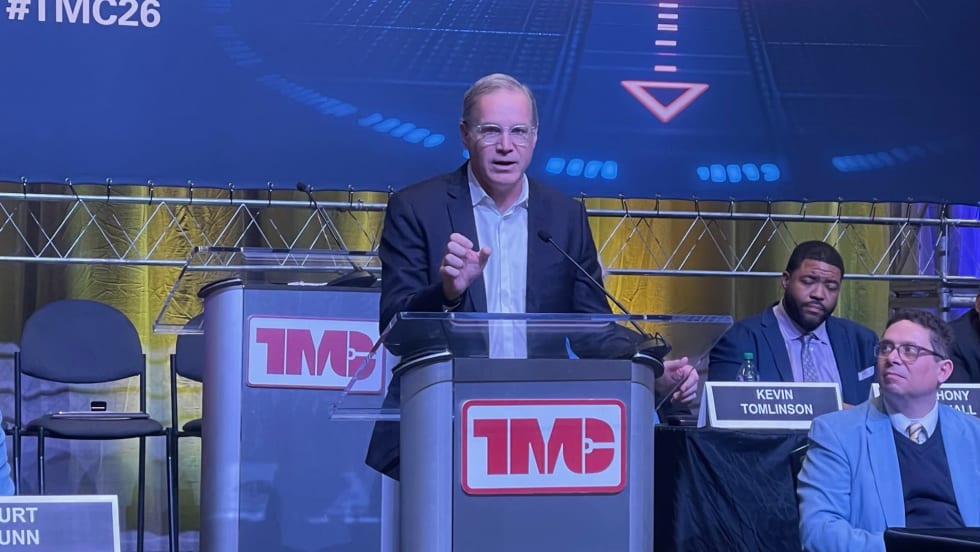
Speaking at the TMC Annual Meeting in Nashville, ATA President Chris Spear said trucking faces mounting pressure from rising fuel prices, geopolitical instability, and uncertainty around trade policy.
Read More →
More than 100,000 new trucking companies enter the industry each year, but regulators manage to audit only a fraction of them. That churn creates opportunities for inexperienced startups — and for “chameleon carriers” that shut down after safety violations and reappear under new identities. Read more from Deborah Lockridge in this commentary.
Read More →
HDTX is an intimate event that connects heavy-duty trucking fleet managers with industry suppliers through small-group discussions, educational sessions, and structured one-on-one meetings.
Read More →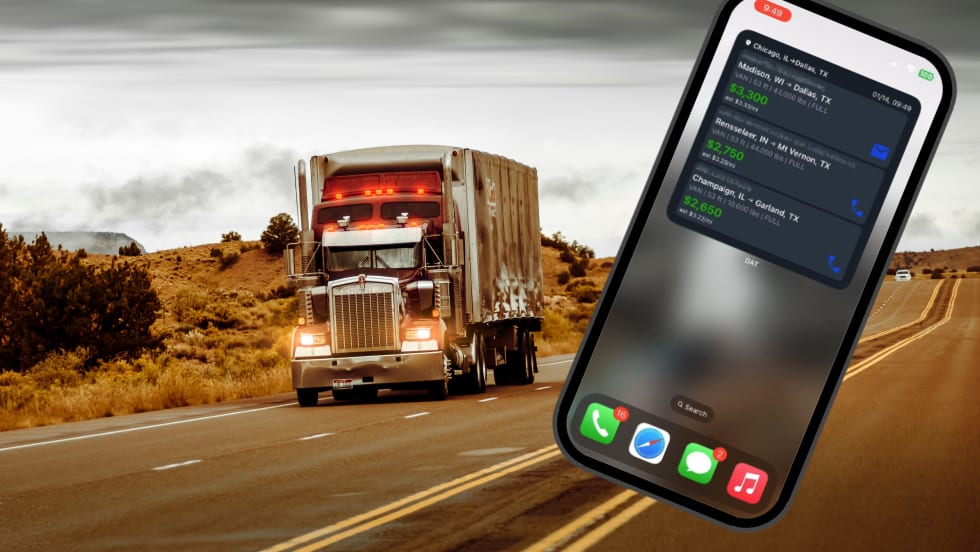
New DAT One feature shows top-paying loads directly on an iPhone’s home screen, helping carriers react faster to spot-market opportunities.
Read More →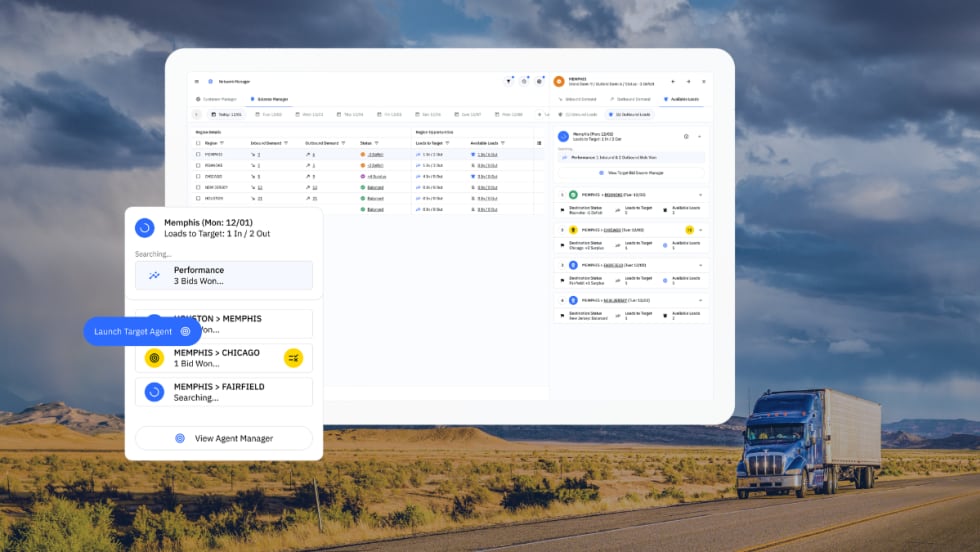
Optimal Dynamics says its new Scale platform uses AI agents and optimization to help carriers find and secure freight that improves network balance and profitability.
Read More →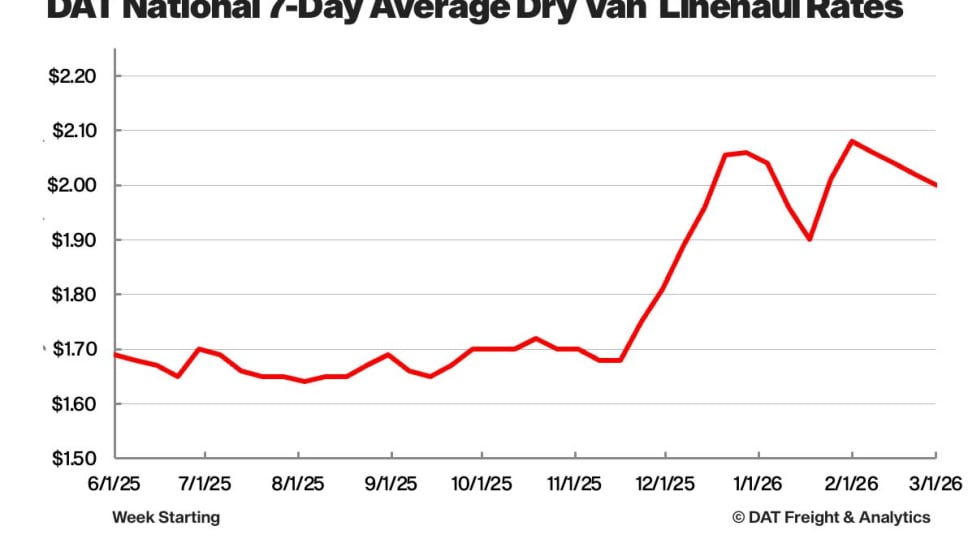
DAT Freight & Analytics data shows tightening flatbed capacity, easing produce markets, and softening van and reefer rates.
Read More →
NACFE's Run on Less - Messy Middle project demonstrates the power of data in helping to guide the future of alternative fuels and powertrains for heavy-duty trucks.
Read More →