



YRC Worldwide Inc. cut it second quarter net loss to $4.9 million, or 16 cents per share, from $15.1 million, or $1.72 per share, from the same time a year ago.
 MENU
MENU SEARCH
YRC Worldwide Inc. cut it second quarter net loss to $4.9 million, or 16 cents per share, from $15.1 million, or $1.72 per share, from the same time a year ago.

Photo: Evan Lockridge
YRC Worldwide Inc. cut it second quarter net loss to $4.9 million, or 16 cents per share, from $15.1 million, or $1.72 per share, from the same time a year ago.
During the time revenue increased 6% to $1.32 billion from $1.24 billion.
"During the second quarter of 2014, YRC Freight experienced a 5.6% increase in operating revenue [$842.1 million], despite a half workday less as compared to the second quarter of 2013," said YRC Worldwide CEO James Welch. "The additional revenue is due to increased volumes as well as a slight gain in revenue per hundredweight.
He said the growth in shipments and tonnage per day for the national less-than-truckload carrier is a result of the overall economic improvement and renewed shipper confidence due to the successful completion of the company refinancing and modified labor agreement in February 2014.
"In order to improve network performance during the quarter, we opened three terminals, increased the use of purchased transportation and increased the utilization of part-time dock employees," said Darren Hawkins, YRC Freight president. "Overall, the freight environment in which we are currently operating bodes well for YRC Freight. From a macro perspective, we are experiencing a robust pricing environment, and at YRC Freight specifically we are being disciplined in obtaining pricing increases on lower margin accounts."
Even with 1.5 fewer workdays, YRCW said operating revenue for the regional businesses grew by 6.9% to $475.5 million, during the second quarter of 2014 compared to the same period in 2013. It credited the increase to the growth in the overall economy and continued tightness of capacity in certain regions of the country.
"I am satisfied with the execution of our regional carriers as they continue to demonstrate strength in the marketplace by growing revenue and increasing yield and volume," said Welch.
YRC Worldwide, headquartered in Kansas, is the holding company for trucking companies YRC Freight, YRC Reimer, Holland, Reddaway, and New Penn.
More information on YRC Worldwide financial performance can be found on the company website.

ACT Research data shows volumes hitting a four-year high and supply-demand balance strengthening, but higher oil prices are undercutting tariff relief and tempering optimism.
Read More →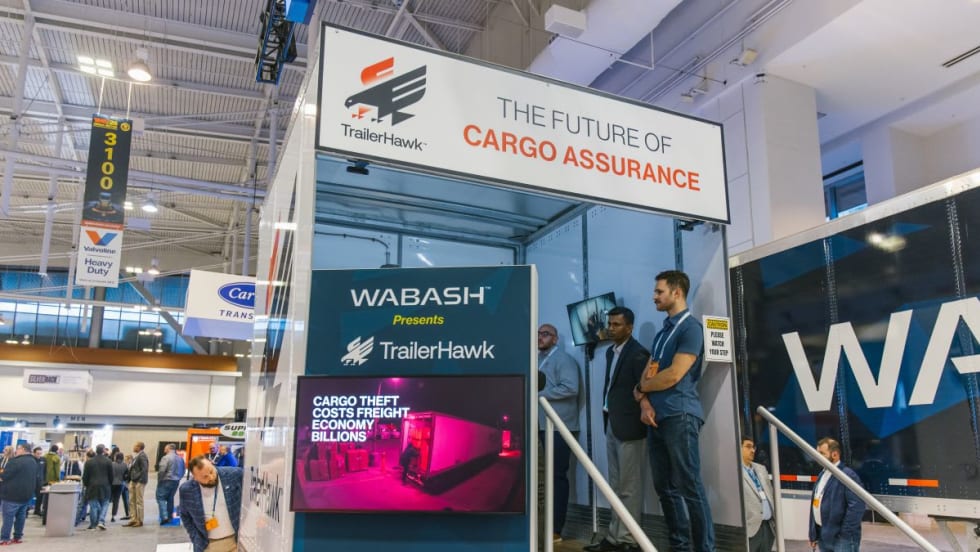
The patent-pending cargo solution integrates a digitally connected cargo door and an intelligent locking system with the TrailerHawk.AI technology platform.
Read More →
The impact of the Iran conflict extends beyond fuel costs, bringing more fraud and cybersecurity risks to the trucking industry.
Read More →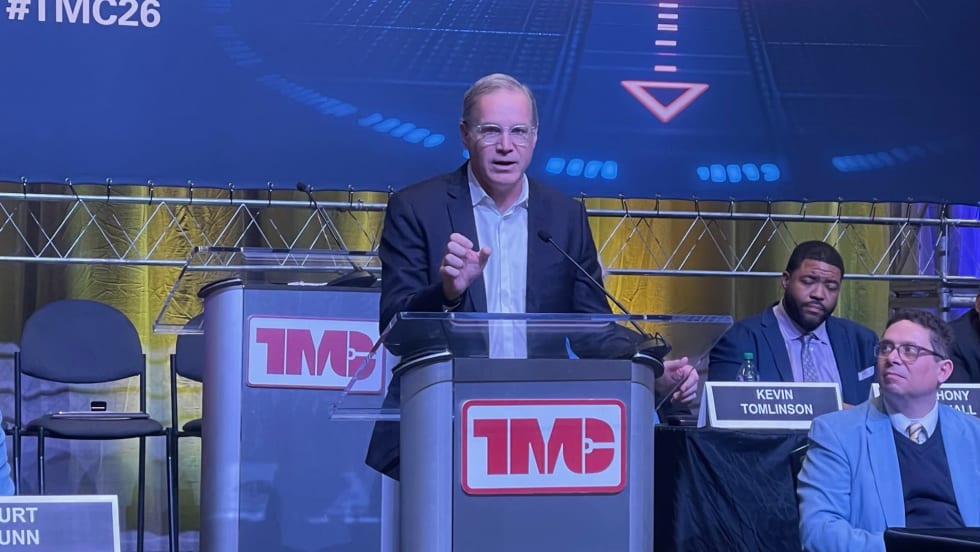
Speaking at the TMC Annual Meeting in Nashville, ATA President Chris Spear said trucking faces mounting pressure from rising fuel prices, geopolitical instability, and uncertainty around trade policy.
Read More →
More than 100,000 new trucking companies enter the industry each year, but regulators manage to audit only a fraction of them. That churn creates opportunities for inexperienced startups — and for “chameleon carriers” that shut down after safety violations and reappear under new identities. Read more from Deborah Lockridge in this commentary.
Read More →
HDTX is an intimate event that connects heavy-duty trucking fleet managers with industry suppliers through small-group discussions, educational sessions, and structured one-on-one meetings.
Read More →
New DAT One feature shows top-paying loads directly on an iPhone’s home screen, helping carriers react faster to spot-market opportunities.
Read More →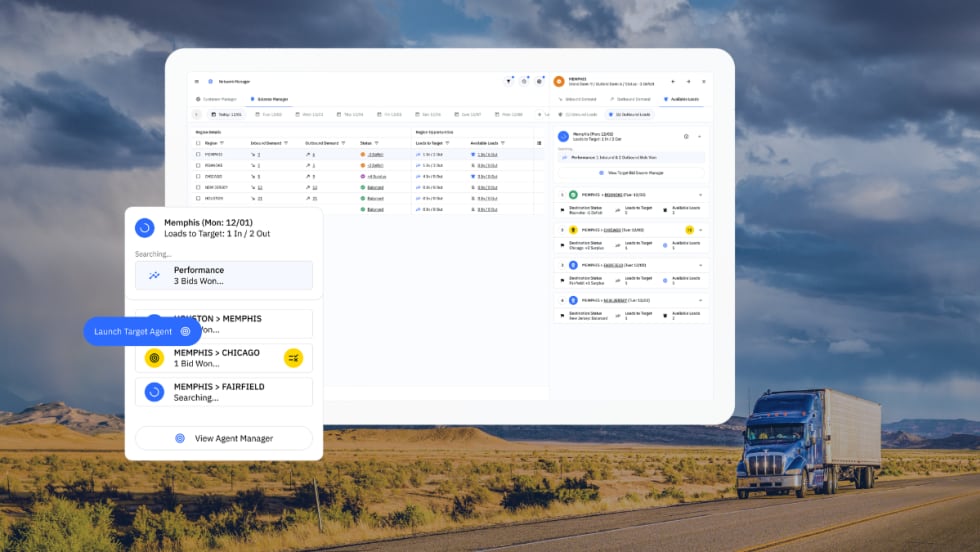
Optimal Dynamics says its new Scale platform uses AI agents and optimization to help carriers find and secure freight that improves network balance and profitability.
Read More →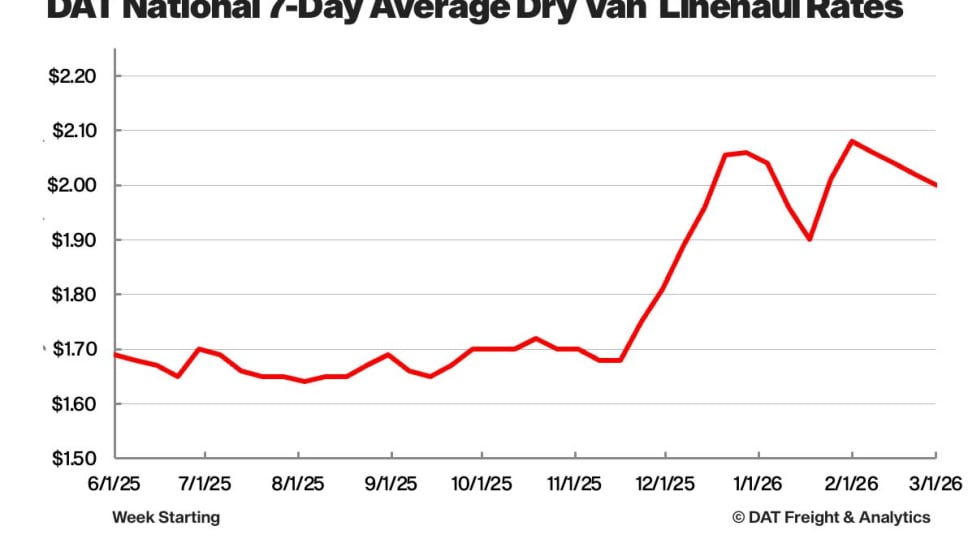
DAT Freight & Analytics data shows tightening flatbed capacity, easing produce markets, and softening van and reefer rates.
Read More →
NACFE's Run on Less - Messy Middle project demonstrates the power of data in helping to guide the future of alternative fuels and powertrains for heavy-duty trucks.
Read More →