




The economy mandate for medium and heavy duty trucks, signed by President Obama in a May 21 Rose Garden ceremony, has been greeted by the industry with broad support. This is maybe a little surprising,
especially since the president was quoted as saying: "We estimate that we can increase fuel economy by as much as 25 percent in tractor-trailers using technologies that already exist."
I have to say that if any engine manufacturer could, today, increase fuel economy 25 percent, it would be the first to do so and then sit back as every trucking executive beat a frenzied path to its door to avail him- or herself of such a competitive advantage. And they would likely pay a hefty premium for the privilege. To my mind the president's comment is mildly insulting, insinuating that the engine makers are just sitting on the technology and colluding with the wicked oil companies in efforts to make their customers purchase more fuel than they need.
But I guess the assembled executives from Navistar, Daimler Trucks North America, Volvo, Cummins and the American Trucking Associations at the signing can see the writing on the wall: The administration is going to mandate some sort of CAFE standard on medium- and heavy-duty, so they might as well embrace the issue and get some say in how the legislation is crafted.
In fact, surrounded by these executives, President Obama signed a Presidential Memorandum calling for legislation by July 30, 2011. He has asked the Environmental Protection Agency and the National Highway Traffic Safety Administration to work together to produce rules covering emissions and fuel standards and present a workable plan. The new standards will start in 2014 and be fully implemented by 2018.
Truck and engine manufacturers have already had input, working for the last 18 months with EPA on the plan. No details are available yet, but the principles of the program were outlined in a May 18 letter to Transportation Secretary Ray LaHood and EPA Administrator Lisa Jackson from Martin Daum of Daimler Trucks.
While a 25 percent reduction may seem like a huge step, it all depends where the baselines are drawn. Using non-aerodynamic standard configurations, significant gains can be made using just SmartWay technologies and practices that may already offer fuel savings in the 20- to 25- percent region over such a baseline.
Of course, fleets that want to stay in business in tough times like we have seen lately are already doing these things. But a CAFE-type standard is targeted at the manufacturer, not the user. So maybe it won't be so bad on the industry after all. However, the steps already made by end-user fleets tend to make a big hole in the claims of fuel to be saved and CO2 to be reduced by the mandate.
Read more about the future of fuel economy in the June issue of Heavy Duty Trucking magazine.
25 Percent Better Fuel Economy?
The economy mandate for medium and heavy duty trucks, signed by President Obama in a May 21 Rose Garden ceremony, has been greeted by the industry with broad support. This is maybe a little surprising
More Equipment
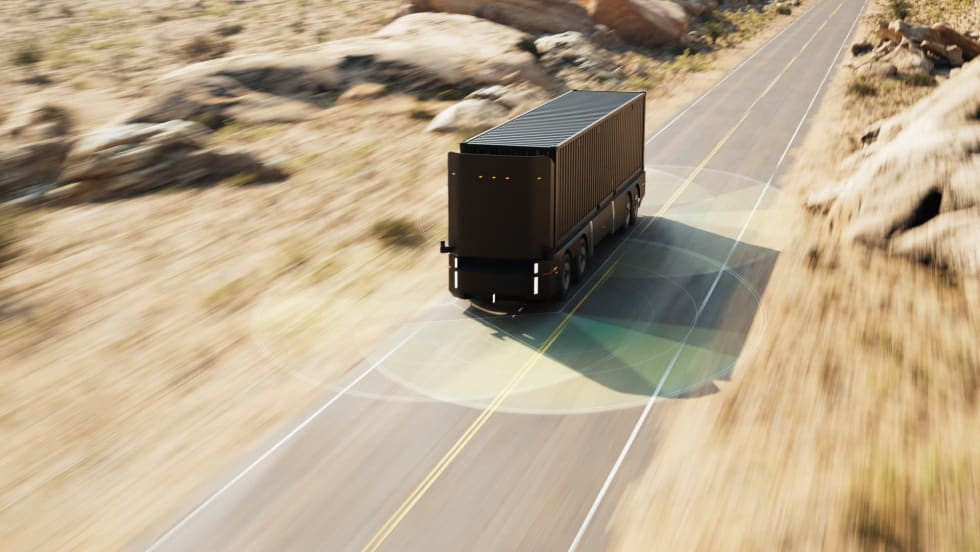
Autonomous Start-Up Humble Announces Cabless Autonomous Electric Hauler
A new autonomous truck startup company is targeting yard, port, and short-haul freight with a lighter, fully autonomous platform designed for dock-to-dock moves.
Read More →
Top Green Fleets of 2026: Nomination Deadline Extended
Is your company a leader in sustainability efforts among trucking fleets? If so, Heavy Duty Trucking's editors want to hear from you.
Read More →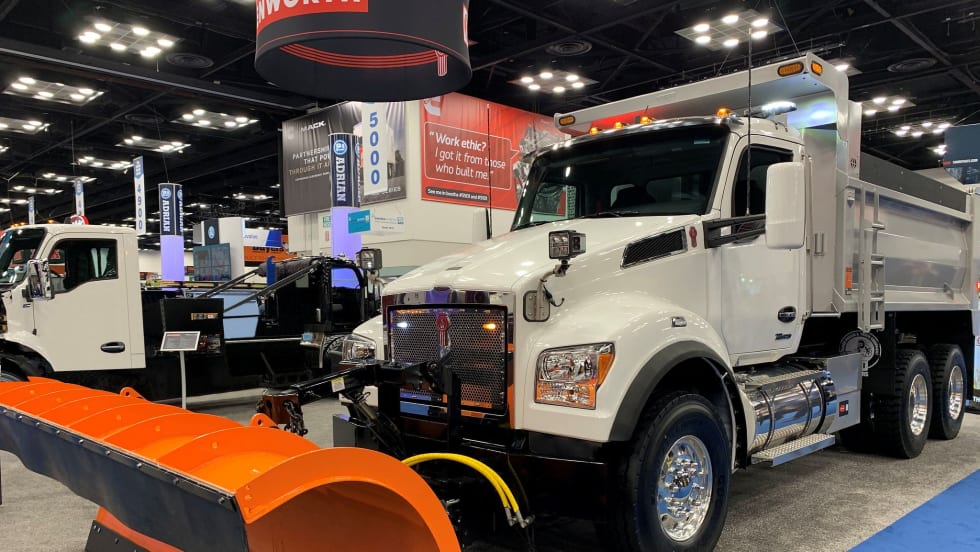
Kenworth Announces Reinforced Front Frame Option for T880 and T880S Models
Kenworth has released a factory-installed reinforced front frame option for T880 models, designed to simplify upfits, cut costs, and speed time to service.
Read More →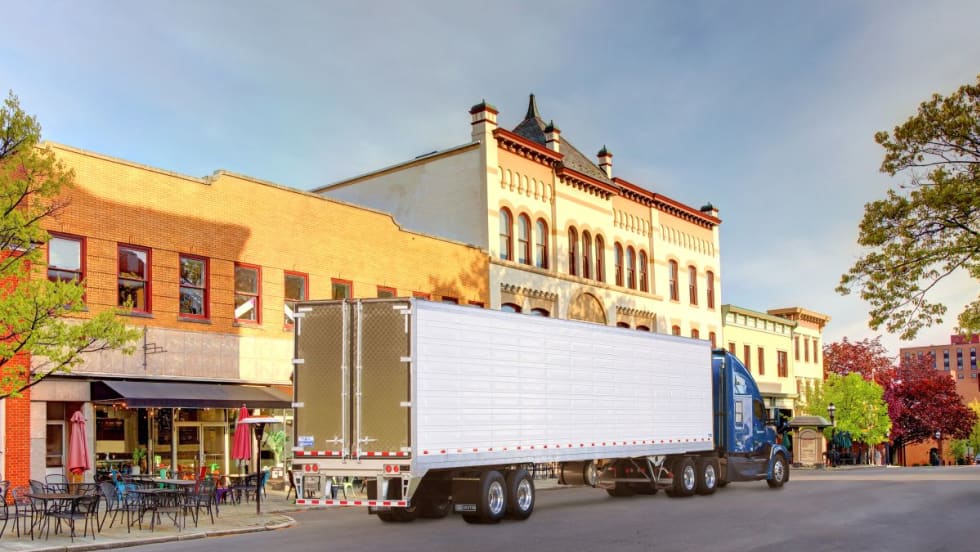
Stoughton Rolls Out PureBlue Reefer Trailer, Raises Safety Bar With 40-mph Rear Impact Guard
Stoughton’s new refrigerated trailer platform delivers double-digit efficiency gains while a next-generation rear impact guard exceeds current crash standards.
Read More →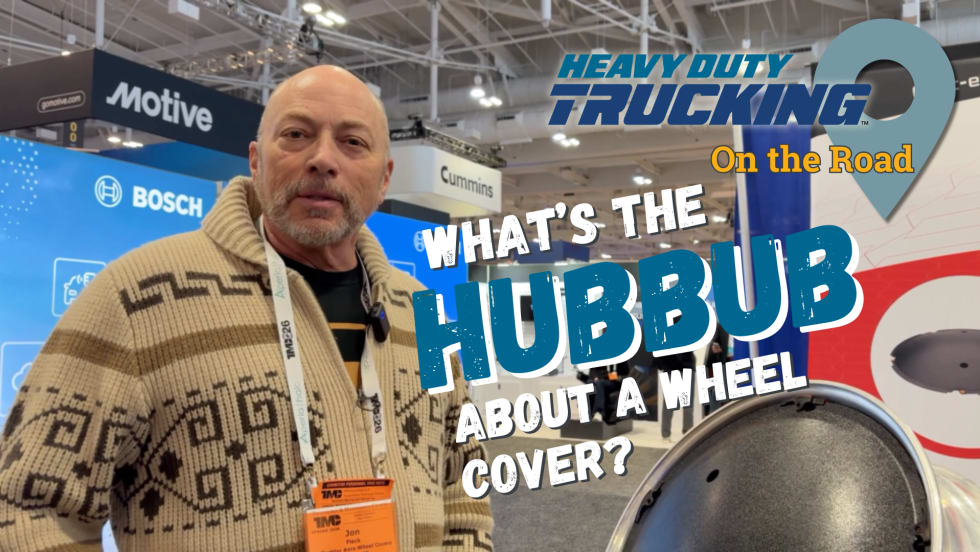
New Lightweight Wheel Cover Targets Simpler Aero Gains [Watch]
Watch to learn how Deflecktor's new wheel cover design is taking a simpler approach to aerodynamics, with an eye toward making it more practical for both trucks and trailers.
Read More →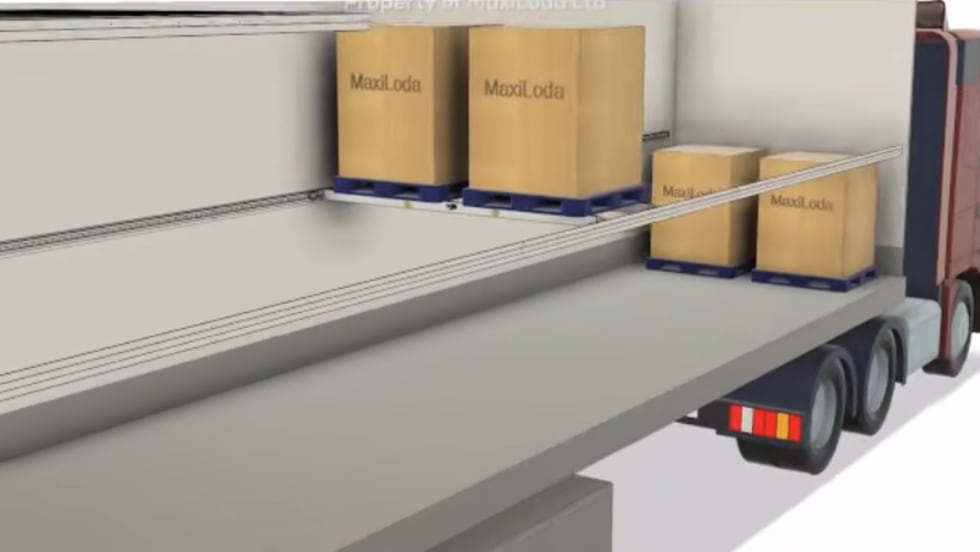
How Maxiloda’s Glide System Unlocks Hidden Trailer Capacity
By turning unused vertical space into usable capacity, Maxiloda’s Glide system helps fleets move more freight per trip while reducing loading risks and equipment damage.
Read More →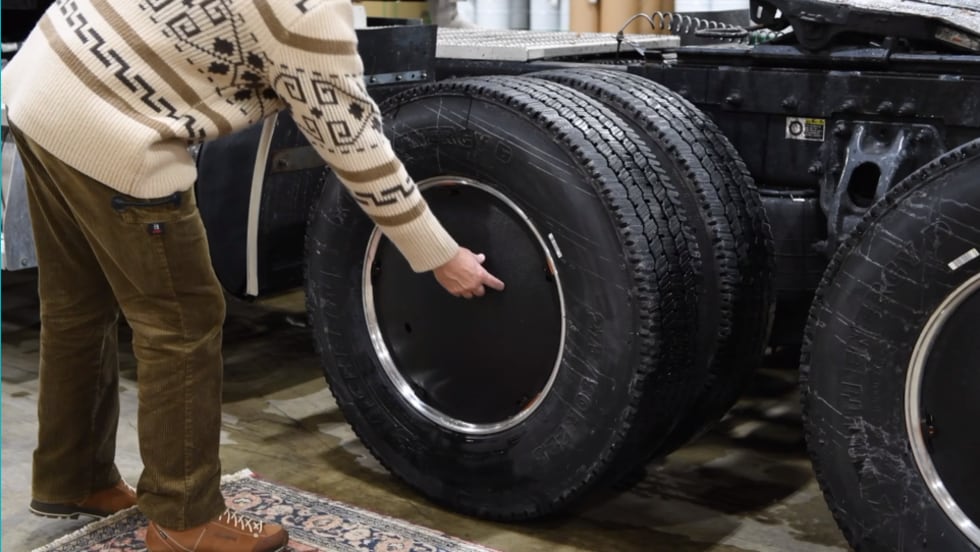
Deflecktor: Hubbub Aerodynamic Wheel Cover Cost-Effective Even for Trailers
Aerodynamic wheel covers can deliver small but meaningful fuel-economy gains for fleets, and Deflecktor says its latest design aims to make the technology easier and more affordable to deploy.
Read More →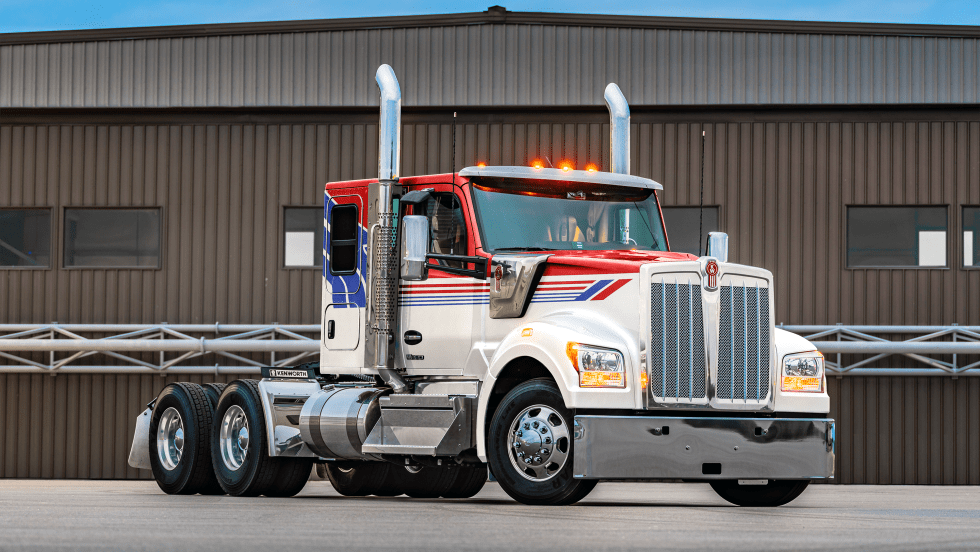
Kenworth Revives Iconic 'TourAmerica' Paint Scheme
Kenworth’s new, limited-edition scheme celebrates trucking heritage while supporting a nationwide mobile museum tour.
Read More →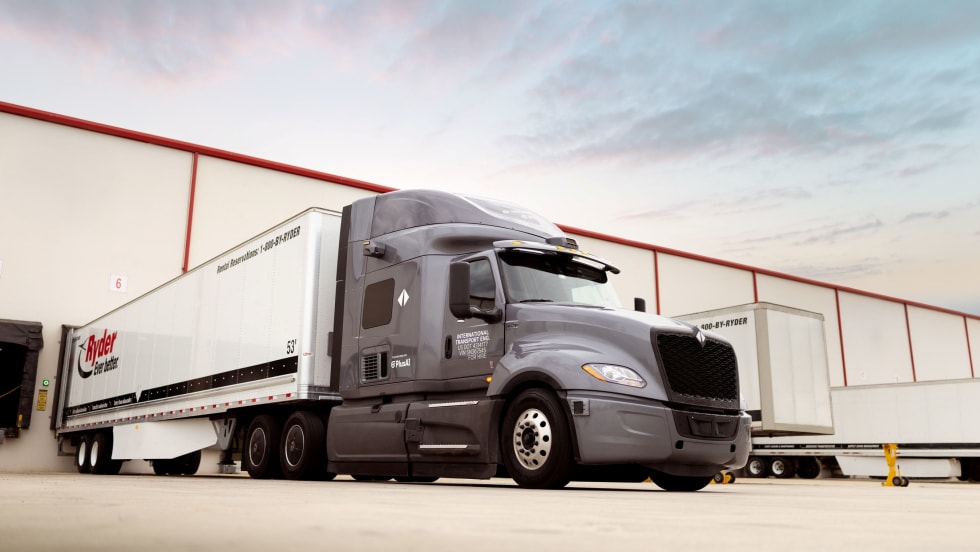
Ryder Joins International’s Autonomous Truck Pilot on Texas Freight Lane
Ryder and International take autonomous trucking out of the lab and onto a live, 600-mile Texas freight lane.
Read More →
FTR: Class 8 Orders Stay Hot in March Despite Monthly Dip
Fuel prices aside, Class 8 demand remains elevated as freight fundamentals improve and fleets regain confidence in long-term investments.
Read More →