





How badly do you want to avoid damage from corrosion? There are products and treatments available right now that do the job, but some customers are simply not willing to spend the necessary money.
That's the essence of a discussion held during a recent meeting of the Technology and Maintenance Council of the American Trucking Associations, when fleet managers and manufacturers' representatives pondered problems brought on by aggressive road salts that clear pavement of winter snow and ice.
Calcium chloride and magnesium chloride work better and cost less than sodium chloride rock salt, which is why state and municipal authorities insist on using them. But they're chemically harder on metal and more difficult to remove. There is justice of sorts, because the municipalities' own trucks are also attacked by the compounds.
Truck builders have long attacked the road-salt problem by using aluminum and galvanized steel panels for cabs, and painting them in multi-step processes that further protect the metal. Warranties against cab corrosion cover damage for up to five years, and though there are some exclusions, it's far better than coverage available for trailers, which is usually nothing, some participants noted. One reason is that trailers are much larger and more difficult to deal with than trucks and tractors.
However, corrosive damage to trailer bodies and running gear can all be addressed at ordering time, when tough materials and compounds can be specified on new trailers. Some items are built in as standard by the better manufacturers, others are optional at fairly reasonable cost, and still others are simply too pricey.
For example, the U.S. military buys epoxy-coated brake shoes to avoid maintenance and operating troubles in far-flung war zones, noted John Hawker of Bendix Spicer Foundation Brake. But one of those specially made shoes might cost $100, compared to $20 for an OE-quality shoe and $7 for a cheap knock-off. And the exotic shoe cannot be relined as most normal shoes can. The military must spend that kind of money because its trucks run in especially harsh environments supporting soldiers in sometimes life-or-death situations. Most trailer owners aren't going to make that kind of investment.
If there's a better and less costly way to protect brake shoes, military brass would like to know, said Carl Kirk, TMC's executive director. That's why the U.S. Army's National Automotive Center has partnered with TMC to learn more about equipment specifications. And some military methods might be applicable to civilian use because volume purchasing would bring down costs.
Meanwhile, for-profit fleets or owner-operators have to stretch their bucks, but should consider shoes whose tables are powder-coated or otherwise treated to resist rust jacking (the separation of linings from tables by rust building up between them).
In trailer bodies and frames, many things can be done during manufacturing that can reduce maintenance and extend life, and make a trailer worth more at trade-in time. Pre-painted aluminum is commonly used for van panels and posts, and fasteners can be torqued and then coated with special materials to keep salts away. Aluminum frames and bodies employed on flatbed and dump trailers are light in weight, which is the primary reason operators pay premium prices for such vehicles. But some also like their looks, especially if they're polished. While standard aluminum wheels can be polished later, Alcoa says its tough Dura-Bright finish must be built into wheels at the factory.
Stainless steel is virtually impervious to salt-induced corrosion, and can be employed on rear sills, gussets, door headers and the doors themselves, if buyers are willing to spend hundreds more per vehicle. Many refrigerated trailers are built with stainless steel, which looks good and stays strong for years, while lesser steel loses its paint and rusts, making the trailer and its owner look cheap.
A more recent and less costly alternative for trailers is galvanized steel, whose zinc coating repels rust. Builders like Vanguard and EHS now use it for door headers and sills, landing gear and even complete frames. Zinc will adhere to steel much longer than paint, but zinc can be ground or cut away during repairs and can give off a harmful gas in the process. Once bared, the steel can rust, so should be coated or painted where the zinc's been removed. But galvanized steel works well in truck cabs - those warranties say so - and is therefore worth considering for trailers.
Corrosion of visible parts can be easily spotted and corrected, but some damage goes unseen. The interiors of upper coupler assemblies can corrode, and operators may not notice until kingpins come loose. This obviously is dangerous, so mechanics and drivers should carefully inspect this area, even in late-model trailers because such damage occurs surprisingly soon, managers have said at other TMC sessions.
Steel in upper couplers can be treated at the factory to resist corrosion. Utility Trailer immerses each assembly in a wax-type compound in its reefer plant, and floods it in its van plant, according to Craig Bennett, its marketing manager. The material gets into all nooks and crannies and shrugs off road salts that inevitably follow.
Among other built-in features, Utility uses a patented floor sealing system that keeps salt-laden moisture from getting inside, and stainless steel components at the trailer's rear, including its unique "quilted" door panels that are both bright and non-glaring. Bennett says Utility has designed its own sealed wiring system that it mates to popular sealed lighting fixtures from Truck-Lite and Grote. Wood flooring itself can be treated to resist salt damage, and while oak and apitong wood remain the most popular material in vans, aluminum can be substituted in some weight-sensitive applications. At last year's Mid-America Trucking show, Vanguard showed off a concept trailer with a plastic floor whose natural color happens to resemble wood.
On its website, Great Dane Trailers lists several anti-corrosion options. The latest is CorroGuard, a thermoplastic that's sprayed onto underbodies, landing gear and suspension parts to form a sticky barrier against salts and road debris. Because it's flexible, it adheres to surfaces even as they move. Great Dane also offers composite doors made of galvanized steel outer skins and a polymer inner panel that can't absorb moisture like plywood can, plus a Grote wiring and lighting system that's sealed against moisture intrusion. Phillips and Truck-Lite also produce sealed electrical components that they recommend to combat corrosion. Many trailer builders offer similar options.
For their part, truck manufacturers are aware of anti-corrosive coatings for frames and running gear, but "we've never been asked to do it," said Jerry Warmkessel of Mack Trucks during the TMC session. He noted that the military has developed treatments that can be applied to existing vehicles and are, in places like Hawaii where salt air is hard on metals, and he wondered why fleet managers who see corrosion problems don't seek out such solutions. "It's better to do it at the manufacturing level," countered one fleet manager. But are he and his colleagues willing to pay for such things? That's the key question.
From the February 2009 issue of Heavy Duty Trucking.
Corrosion Prevention
How badly do you want to avoid damage from corrosion? There are products and treatments available right now that do the job, but some customers are simply not willing to spend the necessary money.
More Maintenance

Questar Adds AI-Driven Repair Recommendations to Fleet Maintenance
Questar’s latest maintenance platform uses AI to flag potential failures, recommend repairs, and estimate the cost of waiting, helping fleets prioritize maintenance and save money and downtime.
Read More →
API Formally Approves Next-Gen Engine Oil Category for 2027 Engines
Heavy-duty engine oil marketers can begin finalizing formulations and preparing product packaging to meet the new oil specifications ahead of the January 1 licensing date.
Read More →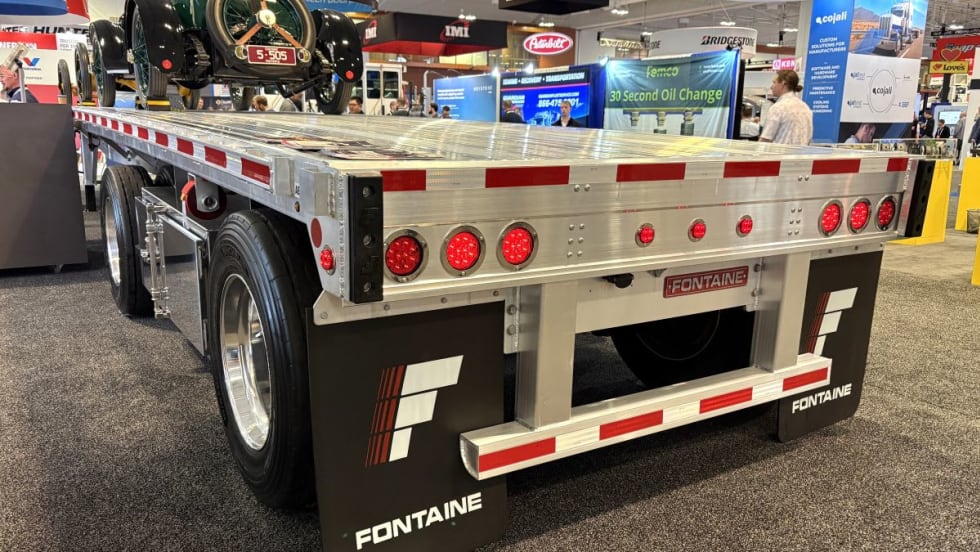
Fontaine Expands Flatbed Lineup with New Fleet-Focused Models, Eyes 2027 Launch
Fontaine is broadening its flatbed lineup with new models aimed at fleets, including a lightweight aluminum trailer expected in 2027 that emphasizes durability, repairability, and lower cost.
Read More →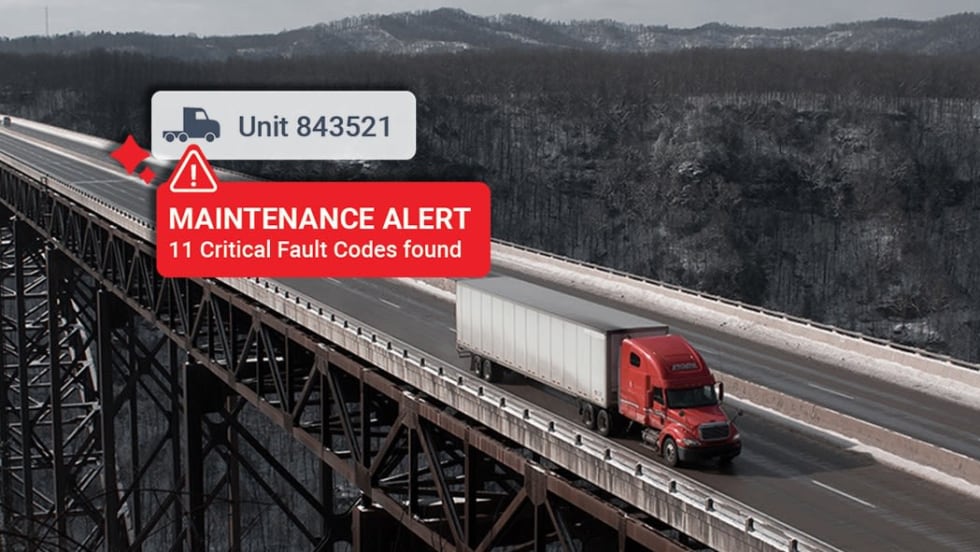
Fullbay Acquires Pitstop to Strengthen AI-Powered Predictive Maintenance
Pitstop AI will use Fullbay's extensive shop data to drive predictive maintenance for trucking fleets and repair shops.
Read More →
HDT Honors the Best New Products of 2025 at TMC [Photos]
Heavy Duty Trucking's Top 20 Products awards recognize the best new products and technologies. Check out the award presentations at the 2026 Technology & Maintenance Council annual meeting.
Read More →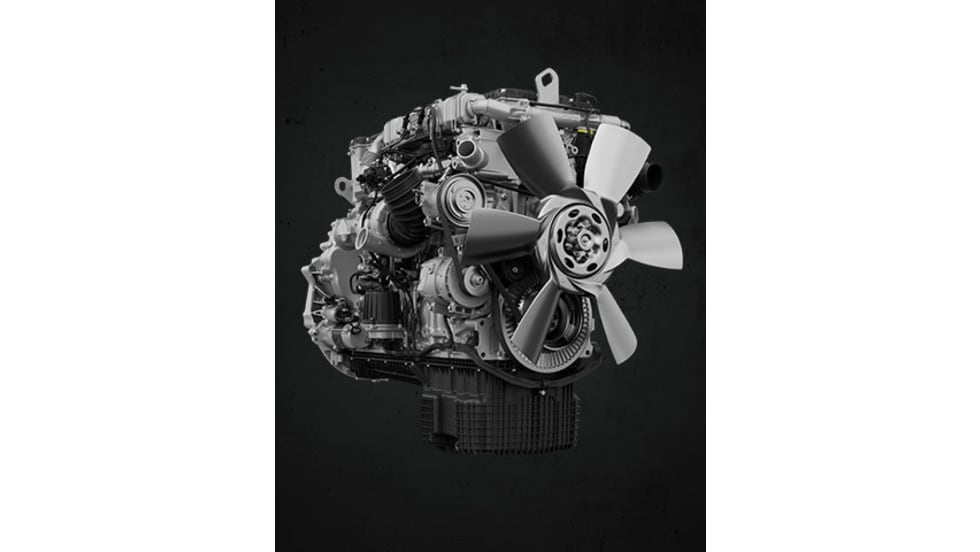
Detroit Engines: Trusted Performance, Built for What's Next
The Detroit® Gen 6 engine platform proves that real progress doesn’t require a complete redesign. Built on 20 years of trusted technology, these engines are designed for efficiency, stronger performance, and greater reliability than before. And they do it all while complying with 2027 EPA standards on every mile.
Read More →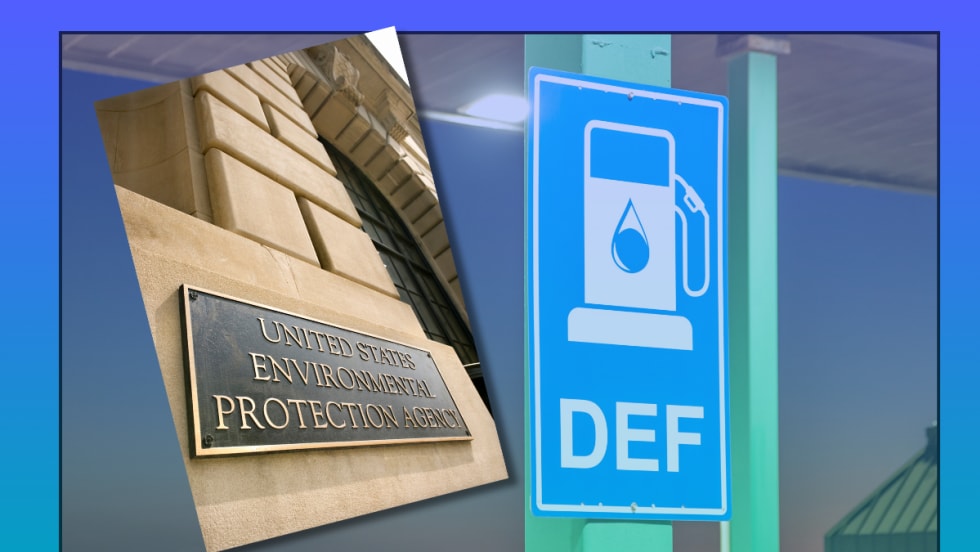
EPA Targets DEF Sensor Failures Behind Truck Derates
New guidance allows engine makers to replace problematic DEF sensors with NOx-based systems, aiming to reduce unnecessary derates and downtime caused by failures in the sensors designed to monitor diesel exhaust fluid on trucks.
Read More →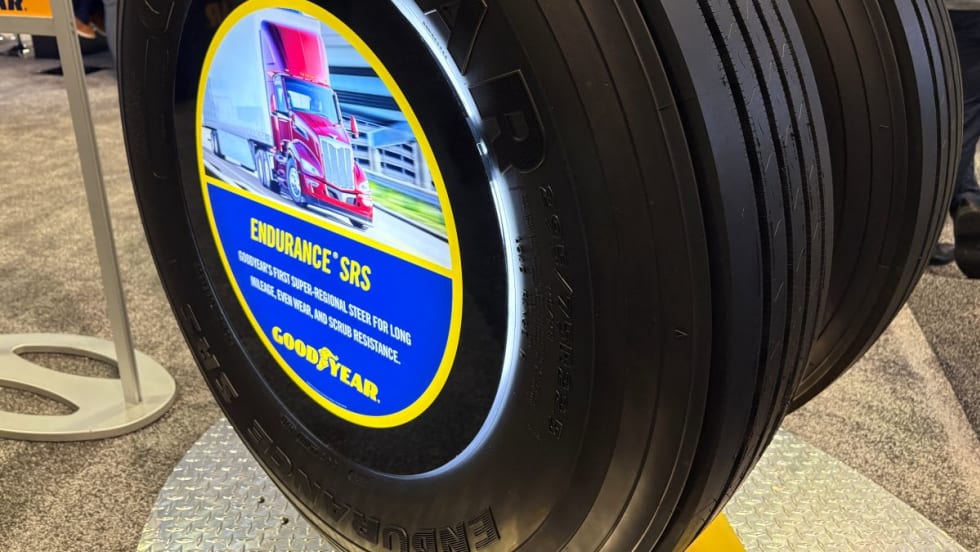
Goodyear Targets ‘Super-Regional’ Sweet Spot with New Steer Tire
Goodyear is preparing to roll out a new steer tire designed to bridge the gap between regional and linehaul for trucking fleets.
Read More →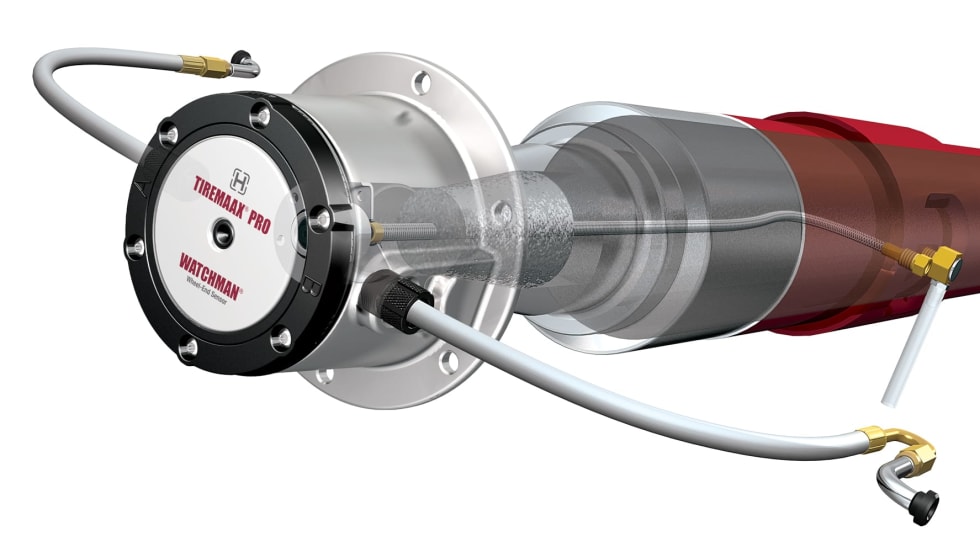
Hendrickson Unveils Watchman Smart Wheel-End System at TMC
Hendrickson’s new sensor platform integrates with its TireMaax system to deliver real-time tire and wheel-end insights, targeting uptime and cost savings.
Read More →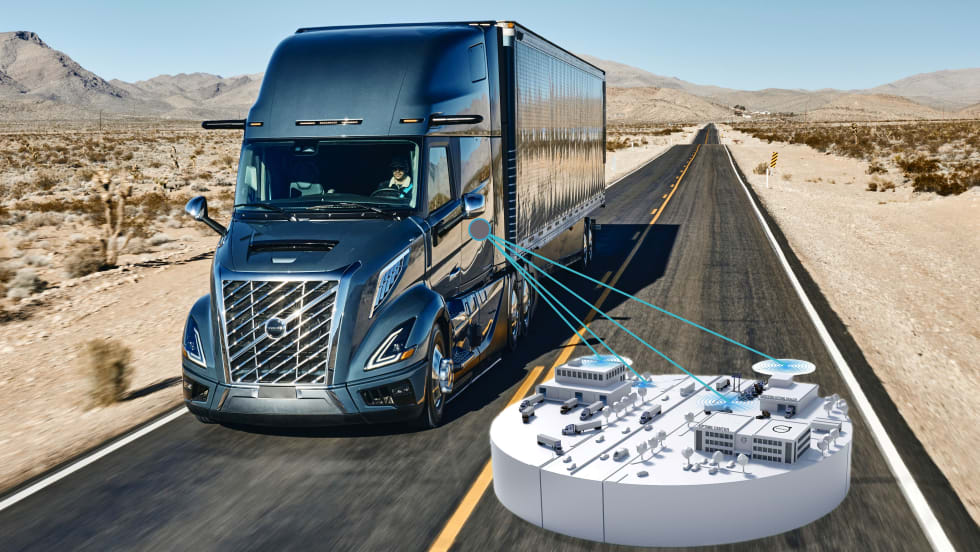
Over-the-Air Updates and the Modern Powertrain Explained
Over-the-air updates are moving beyond recalls, and expanding how fleets manage performance, compliance, and uptime.
Read More →